
Navigating the Embarkation Process for a Cruise in Marseille
Embarking on a cruise in Marseille requires careful preparation and organization. Learn about the essential steps and documents needed for a smooth boarding experience.
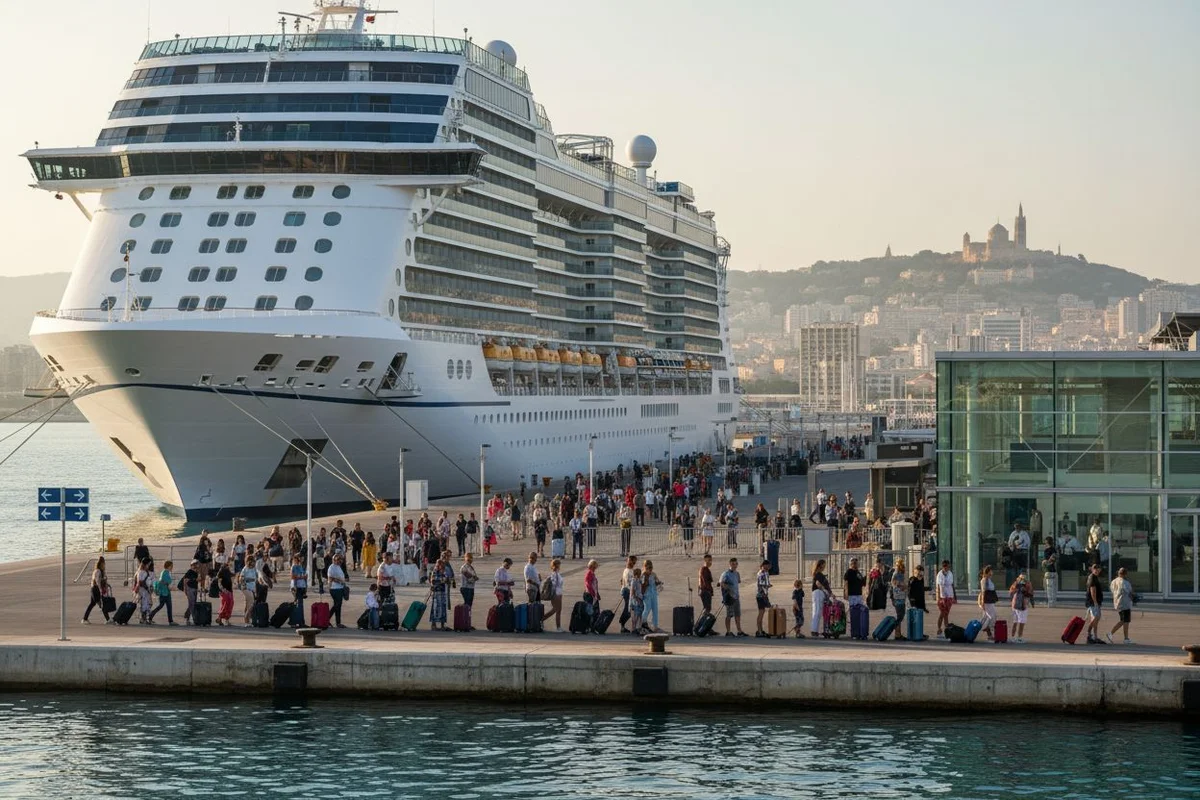
Embarking on a cruise is a pivotal moment that requires careful preparation and effective organization. Every traveler must be aware of the standard procedures that need to be followed to ensure a smooth and enjoyable experience. From arriving at the terminal to completing check-in formalities, every detail matters to minimize stress and fully embrace the upcoming journey.
Preparing for a cruise embarkation in Marseille is crucial, as it can significantly impact the quality of your experience. Attention to detail is essential, from selecting the cruise line to planning your arrival at the port. Travelers should be informed about the formalities to complete and the necessary documents to prevent any unforeseen issues. The port of Marseille, known for its efficiency, requires a certain level of organization to facilitate a seamless boarding process.
As one of the largest ports in the Mediterranean, Marseille welcomes a significant number of passengers each year. Its proximity to the city center provides easy access for travelers. The modern terminal facilities enhance the boarding experience, featuring dedicated areas for luggage and efficient security services. Additionally, the variety of cruise lines operating from this port makes it a favored choice for sea travel enthusiasts.
Steps for Embarkation
Arrival at the Port and Access
For a successful embarkation, it is advisable to arrive at the port of Marseille at least three hours prior to departure. This timeline allows for handling formalities and helps reduce the stress associated with boarding. The Grand Port Maritime is easily accessible via various modes of transportation, including car, train, and plane. For those driving, exit number 5 off the A55 highway provides direct access, and there are parking options available on-site at reasonable rates.
The cruise terminal is located just 2.5 km from the city center, making it convenient for passengers arriving by train or public transport. However, opting for a taxi or a service like Uber is recommended to avoid the hassles of public transport, particularly due to access limitations at the port.
Check-in Procedures
Upon arriving at the terminal, the check-in procedures are vital for ensuring the safety of all passengers. Cruise travelers must present their identification and tickets at the check-in desk. An identity check is performed, and a photograph may be taken for onboard identification. Additionally, a credit card imprint or a cash deposit is required as a guarantee.
After completing the necessary formalities, each passenger receives a magnetic card, which serves as both a cabin key and a means of payment onboard. It is crucial to keep this card handy. Once all check-in steps are completed, passengers await their boarding call, which is usually organized by number or color, ensuring a smooth and orderly process.
Preparing Necessary Documents
Before heading out on a cruise, gathering all the necessary documents is essential for a hassle-free embarkation. The first step is to ensure you have your identity card or passport, depending on your chosen destination. It is also important to have your cruise tickets readily available, either in paper or digital form. Be sure to check the entry requirements related to your journey, which may vary based on the countries visited during the cruise.
Identification and Tickets
During embarkation, you will need to present your identification and cruise tickets to the cruise line staff. This often includes a photograph taken for onboard identification purposes. Ensure that the names on your documents match exactly with those on your reservations to avoid any misunderstandings. Some ports, including Marseille, may require a strict verification, so it is crucial to have all your documents in order.
Security Deposit and Access Cards
Most cruise lines require a security deposit at embarkation. This is typically done through a credit card imprint or a cash deposit, depending on the policy of each company. This amount, often temporarily held, is intended to cover any potential expenses incurred during your stay onboard. At this point, you will also receive a magnetic card that will act as a key for your cabin and a payment method for all your onboard purchases. Keep this card safe, as it is necessary for accessing your accommodations and the ship's facilities.
Recommendations for Embarkation Day
What to Do Upon Arrival
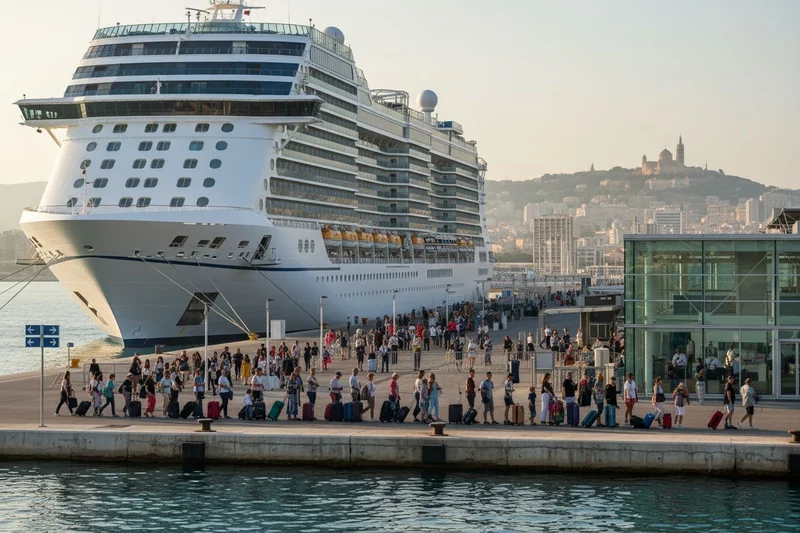
When you arrive at the cruise terminal in Marseille, it is advisable to adopt an orderly approach for a stress-free embarkation. Start by locating the signs directing you to your boarding gate, as the Grand Port Maritime of Marseille is extensive. Remember to check your documents and have them readily available for identity verification. Once on-site, head to the check-in desk where you will need to present your ticket and identification. Arriving three hours before departure is wise to avoid any last-minute rush. Label your luggage carefully with your name and phone number to ensure they follow you throughout your cruise.
Activities to Enjoy and Avoid
On embarkation day, take the opportunity to relax. A good idea is to enjoy a tropical cocktail at the terminal bar while checking prices to avoid surprises. While waiting for your boarding call, feel free to explore the area to identify the services available on the ship, such as bars and the spa. However, refrain from rushing to the buffet during embarkation, as this can lead to a rapid crowd. Additionally, opt for the stairs instead of elevators to avoid congestion, especially during peak hours. It is also wise to prepare a change of clothes, as it may be refreshing to change before exploring your new floating domain.