Choosing and Using Two-Component Adhesives for Plastics
Learn about two-component adhesives for plastics, their types, and how to choose and apply them effectively for strong, durable bonds in household repairs.
When it comes to repairing a cracked bumper, assembling plastic parts in humid environments, or bonding plastic to metal, a standard adhesive simply won't suffice. Two-component adhesives for plastics, often referred to as 2K adhesives, combine a resin and a hardener that chemically react to form an exceptionally strong bond. This results in adhesion that far surpasses that of conventional single-component glues.
The market offers a variety of formulations, each suited for different types of plastics and varying setting times. Here’s what you need to know before making a purchase.
What is a Two-Component Adhesive?
The Chemical Principle Explained
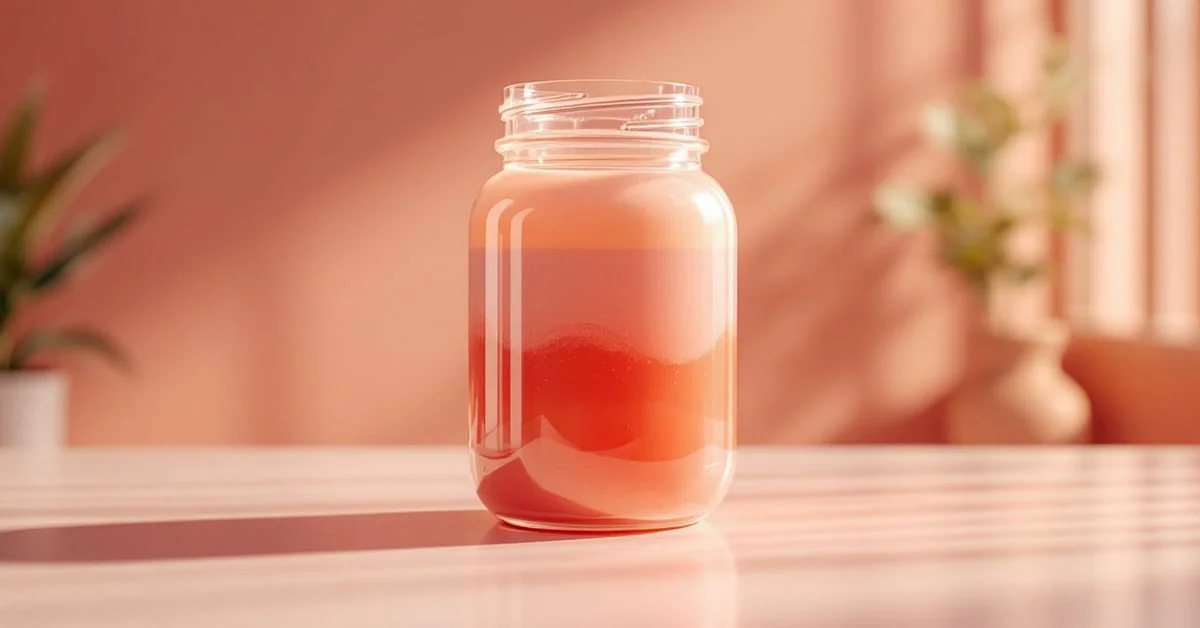
A two-component adhesive consists of two components stored separately, hence the term 2K (from the German Komponente). When ready for use, the resin and hardener are mixed in a specific ratio, typically 1:1 or 2:1. This initiates a polymerization reaction that creates both a mechanical and chemical bond on the surfaces being adhered.
This mechanism sets these adhesives apart from cyanoacrylate (super glue) or silicone, as their bonding does not rely on solvent evaporation but instead on an irreversible chemical transformation. Consequently, the final strength is significantly higher.
💡 Tip:
Adhere strictly to the mixing ratio specified on the packaging. Any deviation, even by 10%, can halve the final strength. Using two-component cartridges with a dispensing gun mitigates this risk.
The Three Main Types of 2K Adhesives for Plastics
Three primary technologies dominate the market:
- Epoxy (EP): The most versatile option, it bonds rigid plastics, metals, wood, and ceramics. Setting times vary by formulation, ranging from 5 minutes (quick epoxy) to several hours for high-performance variants. It is resistant to moisture and common chemicals.
- Polyurethane (PU): This type offers better flexibility after curing, making it ideal for soft plastics or assemblies subjected to vibrations. It also adapts well to porous materials.
- Methacrylate (MMA): Known for its exceptionally strong chemical bond, it boasts excellent resistance to impacts and extreme temperatures. This type is commonly used in the automotive and marine industries. While it sets quickly, it tends to be more expensive.
5 min
time required for a quick-setting 2K epoxy — compared to 24 hours for a standard high-strength epoxy.
🎯 Choosing According to Plastic Type
Not all plastics bond the same way, which is a common source of error. Identifying the type of plastic before making a purchase is crucial — look for the symbol molded or engraved on the piece.
| Type of Plastic | Recommended 2K Adhesive | Note | |-------------------------------|----------------------------------|--------------------------------------------| | ABS, PC, rigid PVC | Standard epoxy or MMA | Excellent adhesion, light preparation sufficient | | PP, PE (polyolefins) | Special MMA for polyolefins | Surface must be thoroughly abraded and degreased | | Soft plastic (TPE, PU) | Bi-component PU | Flexibility after curing is essential | | Plastic + metal or wood | Epoxy or MMA | Both types handle mixed materials well |
PP and PE are notoriously difficult to bond due to their chemically inert surfaces. An MMA formulated for polyolefins, like Plexus MA300 or Loctite HY 4070, remains the most reliable solution. A simple degreasing with acetone is insufficient; you must sand the surface using 150 to 220 grit sandpaper to create an adherent micro-topography.
⚠️ Important Reminder:
Never use standard epoxy on PP or PE without pre-treatment. The adhesion will be negligible, and the piece will separate under minimal stress. Always verify the plastic symbol before purchasing.
Proper Preparation and Application
The success of the bond depends 60% on surface preparation rather than the adhesive itself. A high-quality two-component adhesive applied to a greasy or dusty surface will yield poor results.
-
Degrease Wipe the surfaces with a lint-free cloth soaked in isopropanol or acetone (except on certain plastics sensitive to solvents). Allow to dry for 2 minutes.
-
Abrade if Necessary Use 180-240 grit sandpaper on both surfaces to be bonded. This step is mandatory for polyolefins and highly recommended for other smooth plastics.
-
Mix With a cartridge and dispensing gun: purge the first two or three centimeters before applying. For separate containers: measure by weight or volume according to the instructions, and mix on a clean surface for at least 60 seconds.
-
Apply and Assemble Adhere to the open time of the adhesive (the time available after mixing for assembly). For a 5-minute epoxy, this time is a maximum of 3 to 4 minutes. Assemble, position, and hold under pressure.
-
Maintain and Allow to Cure Keep the piece stationary for at least the indicated setting time. The final strength (100%) is reached only after 24 to 72 hours, depending on the formulation and ambient temperature.
Comparing the Best Options on the Market
Several products consistently stand out for both common and professional uses:
- Sika SikaPower-490: A reference MMA for automotive repairs on plastic and metal, approved by several manufacturers. Setting time is 45 to 60 minutes, with excellent vibration resistance.
- Loctite EA 3430: A 2K epoxy in a double syringe, with an open mixing time of 15 minutes, suitable for plastic-metal assemblies in workshops or at home.
- 3M Scotch-Weld DP8005: An MMA specifically formulated for polyolefins (PP, PE) — one of the few products genuinely effective on these materials without a primer.
- Araldite 2011: A highly versatile standard epoxy, ideal for mixed bonds of wood, plastic, and metal under moderate mechanical stress.
✅ Advantages of 2K Adhesives for Plastics ❌ Limitations to be Aware Of • Very high mechanical strength • Durable bond in humid environments • Compatible with various materials (plastic, metal, wood) • Most formulations contain no solvents
• Constrained mixing time • Limited pot life: quick action required • Higher cost compared to single-component adhesives • Disassembly is nearly impossible once cured
✅ Key Takeaway: For most common rigid plastics (ABS, PC, PVC), a bi-component epoxy in a double syringe is more than sufficient. For PP and PE, opt for a special MMA for polyolefins. Surface preparation remains the most critical variable for achieving a successful bond.