Understanding Grout Drying Times: What You Need to Know
Learn about the drying times for different types of grout and the factors affecting them to ensure a successful tile installation.
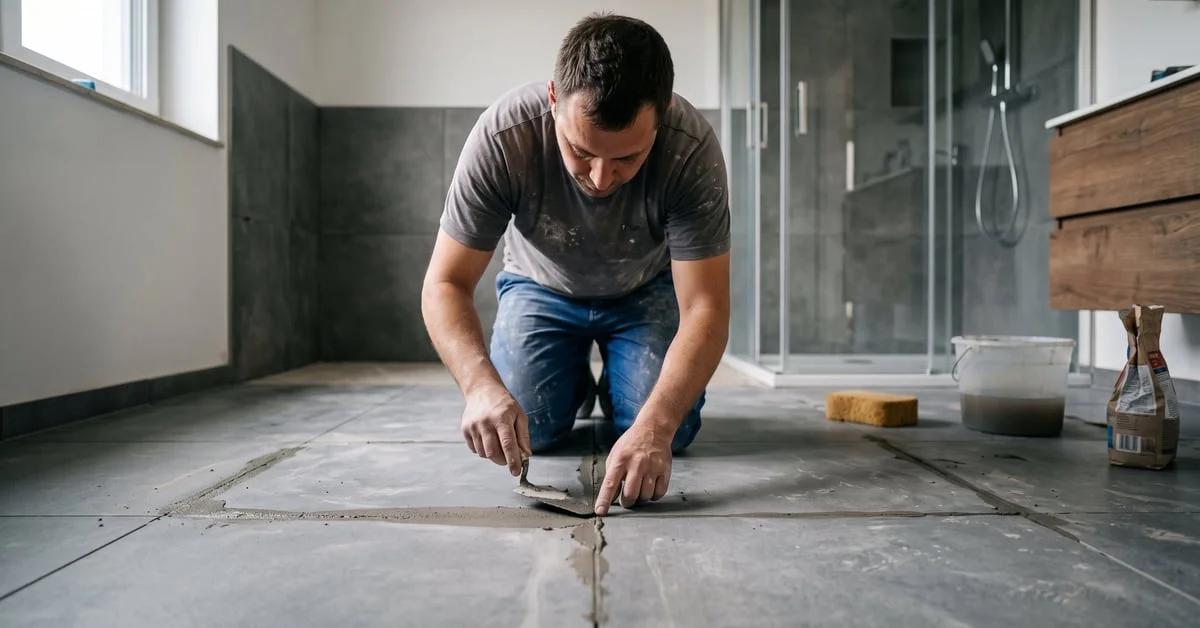
Installing tiles is a task many homeowners are comfortable with, but ensuring that the grout dries properly is where complications often arise. Prematurely using grout can lead to cracks, permanent staining, or loss of adhesion, resulting in the need for complete rework and damaged surfaces from the outset.
The drying time of grout can vary significantly based on several factors, including the type of grout used, ambient temperature, humidity levels, and the thickness of the joints. Here’s a detailed overview of the actual drying times you should adhere to.
Types of Grout and Their Drying Times
Cement Grout
Cement grout is the most commonly used type in indoor tile installations. It typically sets in 24 to 48 hours, but full curing takes between 5 to 7 days. During this period, it is crucial to avoid repeated contact with water, particularly in areas like showers or bathrooms.
- Walkable after 24 hours (lightly, without friction)
- Residue cleaning: within 30 to 60 minutes after application
- Full mechanical strength: 7 days
- Water exposure (shower, basin): wait at least 7 days
Epoxy Grout
More complex to apply, epoxy grout is waterproof, resistant to chemicals, and nearly impervious to damage. The good news is it dries faster than cement grout. Expect 24 hours for functional setting, with total strength achieved in 48 to 72 hours. However, care must be taken to wipe it off the tiles quickly, as it hardens rapidly.
Silicone Grout
Silicone is typically used for corners and joints around bathtubs or shower stalls. Unlike other grouts, it cures through exposure to moisture rather than air drying. Surface setting time ranges from 30 minutes to 2 hours, with complete curing taking 24 to 48 hours, depending on the product and conditions. At 20°C with normal humidity, most sanitary silicones can be used after 24 hours.
Factors Affecting Drying Times
Temperature
Cement grout set at 10°C will take twice as long to cure as at 20°C. Below 5°C, setting nearly halts, and some products may even deteriorate. Conversely, high temperatures (above 30°C) can accelerate setting but may lead to micro-cracking if drying is too rapid. The ideal temperature range for grout application is between 15°C and 25°C. In winter, poorly heated workspaces can double the expected drying times.
Humidity
Interestingly, excessive humidity can slow down the drying of cement grout, which requires interaction with dry air, while it can speed up silicone curing. In a poorly ventilated bathroom during summer, expect an additional 30 to 50% of time for standard cement grout. Opening a window or using a dehumidifier can significantly help.
Joint Thickness
Thinner grout lines (2 mm) will dry much faster than thicker ones (8 mm). For outdoor tiles or large formats with wide joints, the drying times will proportionally increase. A joint of 6 mm or more may take up to 10 days to fully stabilize mechanically.
Indoor vs. Outdoor Tile Installation: Different Timelines
Indoors
In spaces like bathrooms, kitchens, and living rooms, conditions are relatively controlled. Standard timelines apply: 24 hours for cautious movement and 7 days before heavy use. For walk-in showers, some professionals even recommend waiting 10 days before the first water use, especially with light-colored grouts that can absorb mineral deposits if not fully cured.
Outdoors
For patios, pools, and exterior stairs, climatic variables come into play. Rain within 48 hours after installation can wash away uncured cement grout. Freezing temperatures before complete curing can lead to a joint that crumbles by the next winter. For outdoor use, it’s advisable to opt for resin or epoxy grouts, which are significantly more resilient to weather conditions.
- Avoid applying outdoor grout if rain is forecasted within 48 hours
- Never install in freezing temperatures or if nighttime temperatures drop below 5°C
- In direct summer sunlight, lightly mist the joints during the initial hours to prevent rapid drying
Common Mistakes That Compromise Drying
Walking on It Too Soon
This is the most common mistake. After 6 hours, the grout may appear dry on the surface, but it is not fully set. The weight of a foot can compress the binding particles that are still reorganizing, leading to an uneven surface and reducing final strength by 20 to 40% according to some manufacturer laboratory tests.
Cleaning Too Late (or Too Early)
Excess grout residue must be removed within half an hour of application using a damp sponge. Waiting 2 hours could result in a cement film that only an acidic product can dissolve—risking damage to polished or glazed tiles. Conversely, cleaning too early can pull the grout out of the joints, creating voids.
Applying a Waterproofing Product Too Soon
Many tilers recommend waterproofing light-colored grouts, particularly in kitchens or bathrooms, with a sealant. It’s essential to wait for complete curing—at least 7 days—before applying any sealant. Otherwise, the product can trap moisture within an uncured joint, ultimately weakening it.
Effective Ways to Speed Up Drying
While there are no miraculous solutions, some effective practices include:
- Maintaining a temperature between 18°C and 22°C in the room throughout the curing period
- Ensuring light ventilation (without direct drafts on fresh joints)
- Using a space heater in winter—a distant fan heater suffices
- Choosing fast-setting grout (some products offer water resistance as soon as 4 hours)
However, using a hairdryer on fresh joints to speed up the process can lead to the opposite effect: surface cracking, excessive shrinkage, and loss of cohesion. Patience remains the best tool for any tiler.