A Complete Guide to Cleaning Glasses Without Scratching: Effective Methods and Tips
Discover our 7 effective tips for cleaning your glasses without scratching them. Simple methods, recommended products, and practical advice for always spotless lenses.
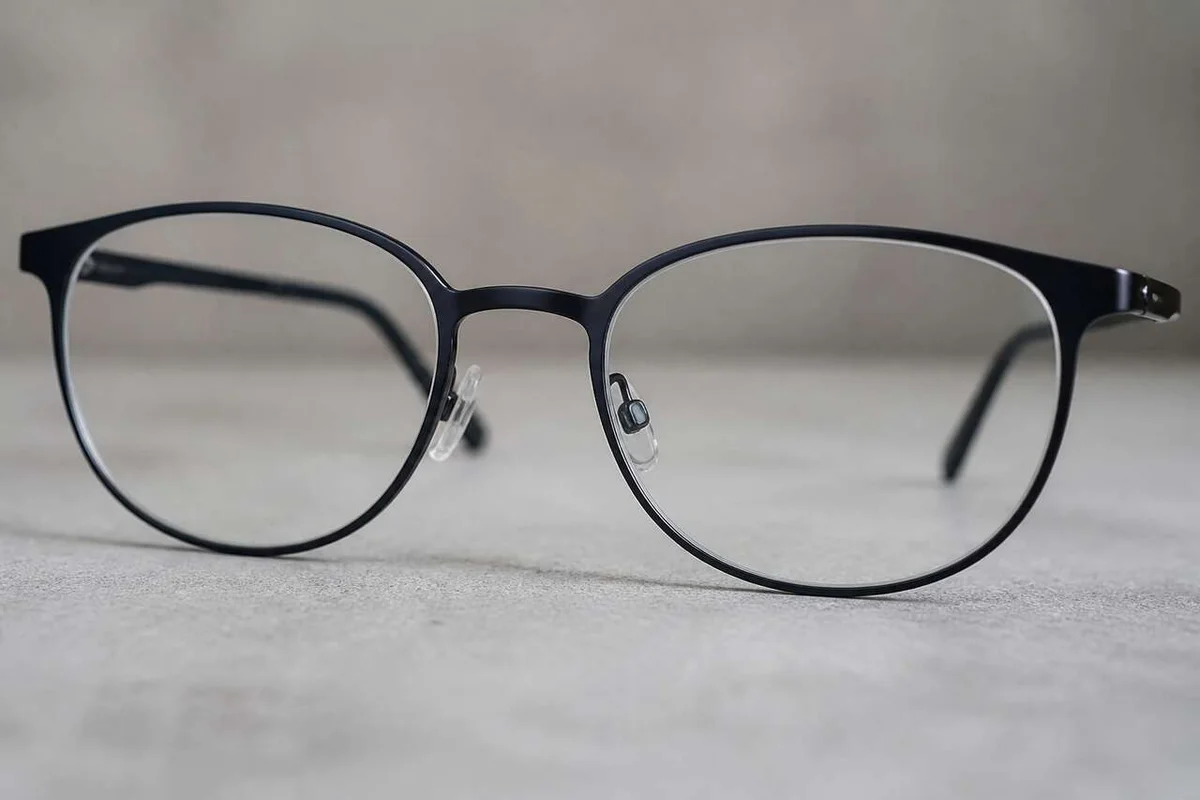
In just two minutes, you can achieve spotless glasses without streaks or scratches. This article presents seven straightforward tips, a reliable cleaning protocol, and common pitfalls to avoid in order to maintain anti-reflective and scratch-resistant coatings.
Key Takeaways
- Always rinse with lukewarm water before wiping to remove abrasive dust and skin oils without dry rubbing.
- Use only a clean, dedicated microfiber cloth, washed without fabric softener; never use clothing or paper products.
- Avoid alcohol, solvents, ammonia, and window cleaners as they can damage anti-reflective and scratch-resistant coatings.
- A drop of mild dish soap is sufficient to effectively degrease lenses, nose pads, and frames.
- For deep scratches or stubborn deposits, ultrasonic cleaning at an optician remains the safest solution.
Why Glasses Get Scratched and Dirty So Quickly
Glasses constantly accumulate skin oils, sweat, cream residues, and airborne particles. This invisible film traps abrasive dust, turning every wipe into a risk of micro-scratches. The issue arises not only from the dirt itself but also from the careless act of wiping dirty lenses without rinsing them first.
Dry Rubbing: The Primary Culprit
Wiping a lens covered in dust is akin to rubbing fine sandpaper on a delicate surface. The mineral grains, invisible to the naked eye, roll under the pressure of the cloth, creating microscopic grooves in the scratch-resistant coating. This phenomenon explains why glasses wiped "in a hurry" multiple times a day often end up more damaged than those cleaned properly just once.
Inappropriate Fabrics that Exacerbate the Issue
Cotton t-shirts, paper tissues, or paper towels are not designed for this purpose; their weave is too coarse and retains abrasive particles from previous washes. Consequently, what seems like cleaning results in scratching. The anti-reflective treatments, especially thin ones, are the first to suffer, leading to visible halos or dull areas, particularly noticeable at night or under bright light.
Harsh Products for Sensitive Surfaces
Some household cleaners contain ammonia or solvents that gradually dissolve the treatment layers on the lenses. These products, intended for regular window glass, should never be used on treated optical lenses. Understanding these three mechanisms—abrasive dust, dry rubbing, and inappropriate products—allows for the adoption of a basic cleaning method that is safe and effective.
The Basic 60-Second Cleaning Method
The most reliable protocol follows a simple logic: detach the dirt before rubbing, never the other way around. This method, endorsed by many optical professionals, preserves both visual comfort and the lifespan of treatments, which can last up to two years with regular and proper maintenance.
The Five Essential Steps
- Rinse the lenses with lukewarm water to loosen dust and dry particles.
- Apply a small drop of mild dish soap or Marseille soap on each lens.
- Gently rub with your fingers, avoiding hard objects or nails.
- Rinse thoroughly to remove any soap residue, which could leave marks when dried.
- Dry with a clean microfiber cloth, using light circular movements without applying pressure.
A final reflex can make all the difference: check the result in the light by tilting the lenses under a lamp or near a window. This verification allows you to spot any leftover soap or persistent greasy deposits before they dry and become harder to remove. Once mastered, this basic protocol can be expanded into seven simple tips for maintaining impeccably clean lenses daily.
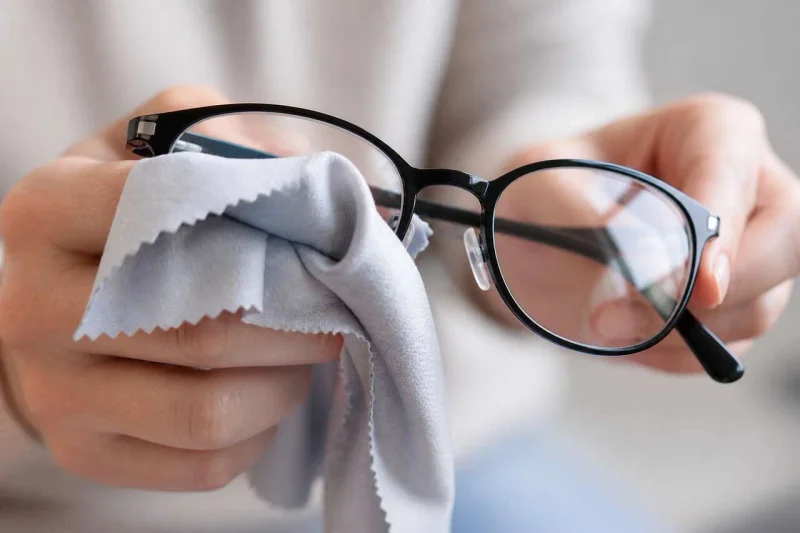
Beyond occasional cleaning, some well-established habits can significantly impact longevity. These easy-to-integrate tips limit premature wear on lenses and treatments.
Recommended Practices Before and During Cleaning
-
Always rinse before wiping: This habit eliminates abrasive particles that cause micro-scratches.
-
Use a dedicated microfiber cloth, regularly washed without fabric softener, which could clog its fibers and reduce effectiveness.
-
Opt for a suitable optical cleaning spray when rinsing with water isn’t feasible, especially while traveling.
-
Clean the edges of the lenses as well, often neglected areas where dust and cream residues accumulate.
-
Zeiss - Spray cleaner for glasses - 240 ml - For gentle and thorough cleaning of your lenses - Alcohol-free
The Zeiss alcohol-free glasses cleaner ensures professional, gentle, and thorough cleaning of lenses, providing optimal protection and maintenance not just for high-quality lenses. This gentle cleaning solution does not harm the coating or optical surface, ensuring clear vision in seconds by effectively removing dirt, dust, or grease, while also preventing annoying fogging. Additionally, this cleaner is ideal for quickly cleaning LCD screens, smartphones, tablets, and laptops.
- VU Classique – Compact Optical Spray (20mL) – Multi-purpose glasses and screen cleaner (Pack of 2)
The VU Compact spray offers ultra-effective action for cleaning lenses and enhancing vision, leaving a clean and clear surface for optimal daily comfort. Its spray nozzle ensures even application on each pair of glasses for quick, precise cleaning, making it accessible while on the go. This multi-purpose cleaning formula easily removes marks and residues, ensuring impeccable lenses and lasting vision quality, regardless of the type of optical surface. Designed for all types of glasses, this gentle and effective solution allows for daily use without risk to treatments or fragile surfaces.
- Paule & Knopf ZEISS Set of 3 glasses cleaning sprays 240 ml
The ZEISS set of three 240 ml glasses cleaning sprays provides deep and gentle cleaning for optical surfaces such as glasses, binoculars, smartphones, tablets, laptops, LCD screens, and cameras. The spray contains no aggressive cleaning substances that could damage glasses, coatings, or optical surfaces. It is also suitable for cleaning other optical surfaces.
Daily Maintenance Tips for Frames
- Degrease the nose pads and the area around the nose, which regularly accumulate sebum due to direct skin contact.
- Avoid overly hot water, which can weaken the adhesive of treatments and accelerate their detachment.
- Conclude with a light polishing, never applying heavy pressure on the lens to avoid unnecessary stress on the coating.
These seven habits, when practiced regularly, are sufficient to keep lenses clear and free from halos most of the time. They become even more significant when compared to the mistakes that damage lenses and treatments, often made out of habit or lack of information.
Mistakes That Damage Lenses and Treatments
Certain seemingly harmless habits account for the majority of scratches and degradation observed on optical lenses. Identifying these allows for quick correction.
Poor Wiping Habits
- Wiping lenses with a t-shirt, scarf, or any other clothing item.
- Using paper products, tissues, or paper towels with rigid fibers that scratch the surface.
- Cleaning "dry" without prior rinsing, even with a microfiber cloth.
- Applying excessive pressure to remove a stain, which increases pressure on the lens.
Products and Environments to Avoid
- Alcohol, solvents, and ammonia, which gradually erode anti-reflective and scratch-resistant treatments.
- Window cleaning products, which are not formulated for optical lenses.
- Non-specific scented wipes that often contain alcohol.
- Dirty or poorly filtered compressed air, which can blow abrasive particles instead of removing them.
- Prolonged exposure to heat, especially on a car dashboard in direct sunlight, which can detach treatments.
Avoiding these errors can significantly extend the lifespan of lenses and prevent premature replacement costs. The next step is knowing which products and accessories to prioritize, and when a visit to the optician becomes necessary.
Recommended Products and Accessories, and When to Visit the Optician
Choosing the right tools greatly simplifies daily maintenance and reduces the risk of errors. Some accessories are worth keeping handy in a bag or case.
Must-Have Essentials
| Product | Recommended Use | Frequency | |------------------------------|----------------------------------|---------------------------| | Dedicated microfiber cloth | Drying and light polishing | After each rinse | | Optical cleaning spray | Quick cleaning without water | While traveling, as needed| | Mild dish soap | Deep degreasing | 1 to 2 times per day | | Individual optical wipes | Quick cleaning away from home | Occasionally |
- Quelcc 8 PCS Microfiber Cleaning Cloths, Soft Reusable Cleaning Cloths for Glasses, Cameras, Tablets (18 * 15cm)
Each cloth measures 6 x 7 inches (15cm x 18cm), and the pack includes eight (4 blue, 4 gray). This quantity is sufficient to meet daily needs. Made from high-quality microfiber, our cleaning cloths are soft to the touch and will not scratch or damage your items. They are washable and durable, ensuring safety for sensitive surfaces like LCD TV screens, smartphones, camera lenses, and glasses without causing scratches.