Decluttering Your Home: Managing Storage Spaces Effectively
Explore effective strategies for decluttering your home, focusing on common storage areas like basements and attics. Discover categories of items to let go for a more organized living space.
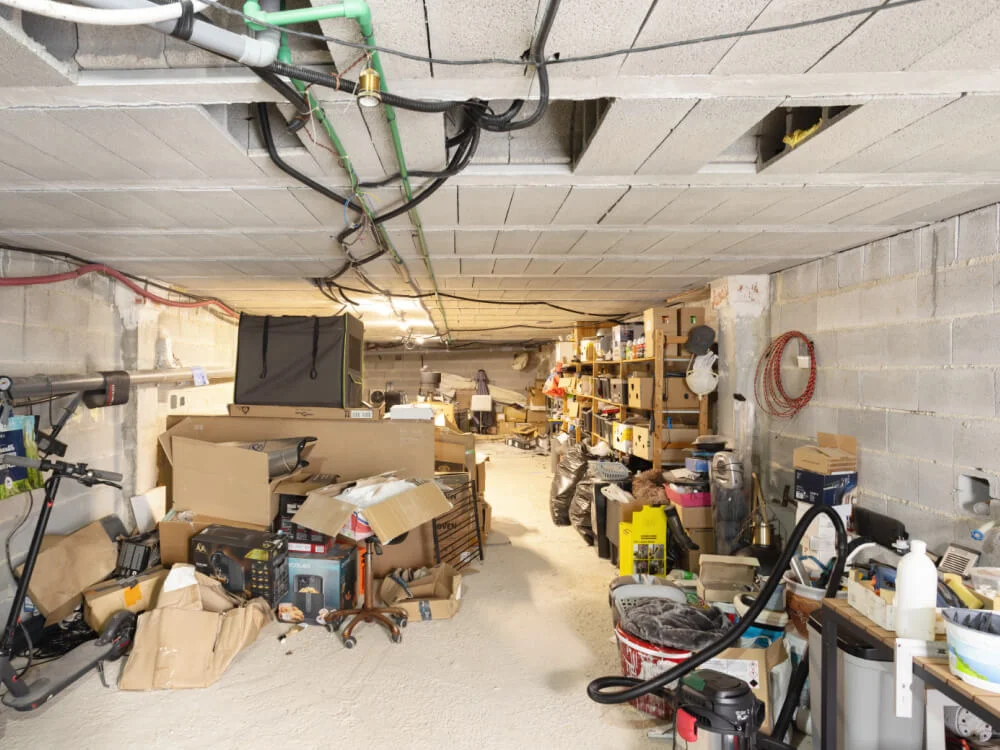
In many households, storage areas become a catch-all for items that might be useful someday, evoke complex emotions, or simply aren’t thought about. This accumulation transforms what should be a convenient storage space into an expensive archive of postponed decisions.
Whether it’s the basement, attic, closet, garden shed, or garage, these spaces often house items labeled with thoughts like "someday," "maybe," "was once expensive," or "I might need that again." The downside is that these belongings not only occupy valuable space but also incur costs since every square meter contributes to your rent, mortgage, or living area.
If you're looking to create a more manageable living environment, starting with these cluttered areas is a practical approach. Here are some categories that are particularly easy to declutter, often with surprisingly minimal emotional pain.
Why Storage Spaces Get Overloaded
Storage areas have a sneaky side effect: they provide temporary relief. When something is broken, unwanted, or no longer fits your lifestyle, it often gets shoved away and forgotten. However, this doesn’t mean those items cease to exist in your life; they occupy space, delay decisions, and contribute to a nagging feeling that you should address them.
Basements and attics quickly turn into graveyards for:
- potentially useful items,
- past hobbies,
- outdated decor styles,
- remnants of renovations,
- and items that no longer serve a purpose.
The good news is that there are specific categories where the decluttering process is particularly straightforward. This is where you should begin.
Category 1: Boxes and Original Packaging
Let’s kick off with a classic: those saved boxes. Whether they’re from TVs, kitchen appliances, or shoes, they often linger for two main reasons:
- warranty or guarantee purposes,
- potential resale value.
While these reasons sound reasonable, in practice, these boxes tend to be large, cumbersome space hogs.
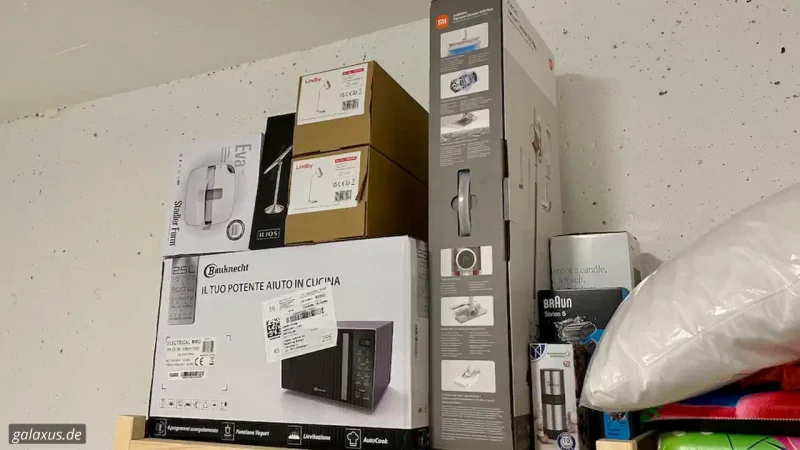
When it comes to resale, the condition of the item is what matters most; the original box is merely a nice bonus. Similarly, during a move, no one needs to keep a giant TV box for years in case it might be useful one day. In reality, moving blankets and packing materials are far more practical.
Consider this: a box isn’t taking up space for free; it consumes living area that you pay for. Even if it’s tucked away in the basement, it’s still part of your paid space. Ask yourself honestly: is that empty cardboard box worth the space it occupies? In most cases, the answer is a clear no.
Category 2: Old Paint Cans and Leftover Paint
Paint cans are another common basement inhabitant. People keep them for potential touch-ups, which is sensible. However, this logic can quickly become absurd when cans accumulate over the years, many of them half-empty, dried out, or outdated. A simple reality check is to open the lids and take a look inside.
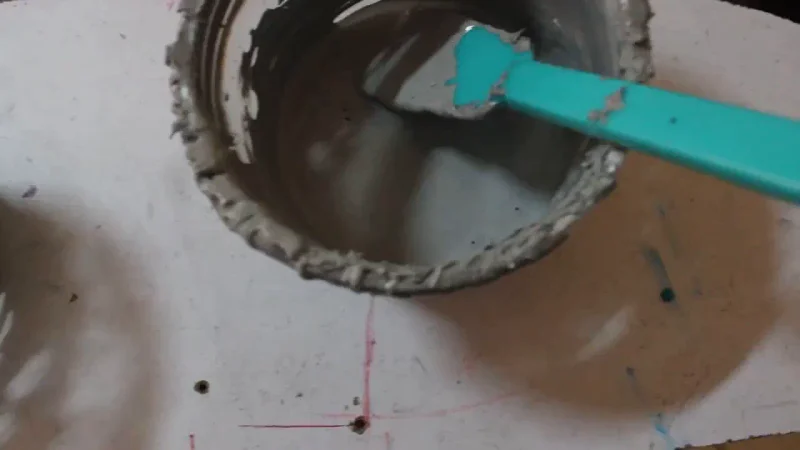
You might find:
- the can is nearly empty,
- there’s only a hard, dry layer left,
- the color has changed,
- or it can’t be properly mixed anymore.
If that’s the case, it’s time to let it go. Additionally, assess whether the color is from a wall that no longer exists or if you disliked the shade shortly after painting. Remember, you’re not obligated to keep unappealing or unusable paint for years. Just ensure proper disposal; these items should not go in regular trash but rather be taken to a recycling center or local collection points.
Category 3: The Someday Hobby
This category is intriguing because it often contains not just items but also postponed time. Think of old snowboards, rollerblades, craft supplies, or model trains—these represent hobbies you might want to revisit someday.
It’s perfectly fine if not every hobby is actively pursued. If you regularly engage in something or are confident it will return to your life soon, it can stay. However, there’s a vast difference between "this is part of me" and "maybe someday."
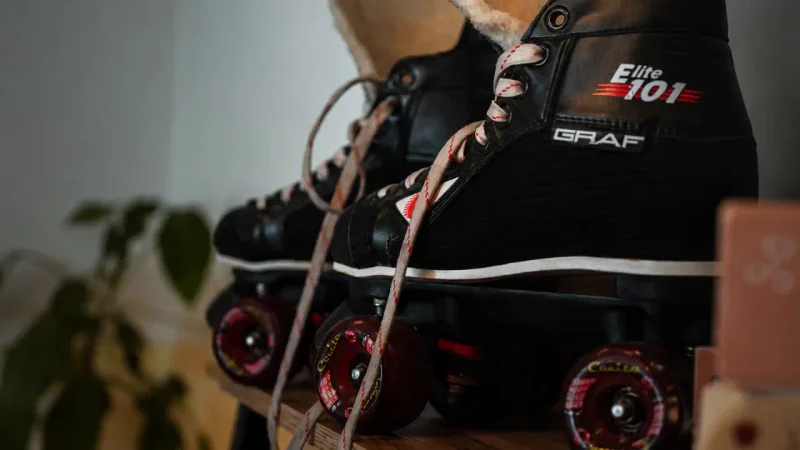
Hobby items can also age, both emotionally and physically. Materials can deteriorate, and especially in basements that are too humid, cold, or warm, this process can happen faster than expected.
Thus, it’s important to ask yourself:
- When did I last use this?
- Is it still in good condition?
- Do I genuinely want to take up this hobby again, or do I just like the idea of it?
- Would someone else appreciate this more than I would in ten years?
With hobbies, it’s a shame to let items languish in the basement when someone else could benefit from them now.
Category 4: Old Cables and Chargers
Most people have that box full of cables—sometimes even two. It contains chargers for long-gone phones, old connectors, adapters, and various tech remnants from different life stages.
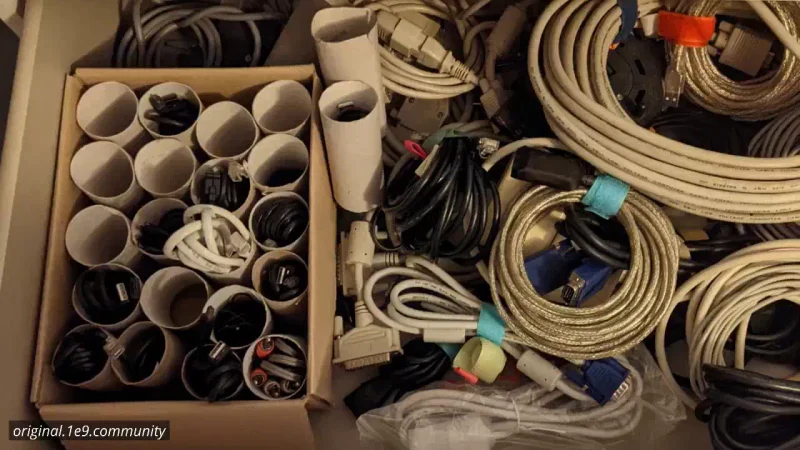
Again, a clear-eyed assessment is helpful: if you haven’t opened this box in years, it’s unlikely that one specific old cable will suddenly become essential.
This is especially true for accessories for devices you no longer own. Without the device, you typically don’t need the cable. Of course, there are exceptions for cables belonging to currently used gadgets, which can stay. Everything else can go. And if you find yourself in the rare situation where you need an old charger, these can often be borrowed, bought used, or purchased new. It’s rarely practical to store tech remnants for years on the off chance they might be needed.
Cables can degrade too; plastics become brittle, coverings wear down, and connections may not endure years in storage. Therefore, it’s not just about tidiness but also functionality.
Category 5: Old Decorations
Decorations warrant a separate discussion. While they’re rarely essential, they often carry emotional weight, leading to their retention. Over the years, they can take up considerable space.
You might find boxes filled with artificial flowers, candle holders, vases, figures, seasonal decor, or accessories from styles long past.
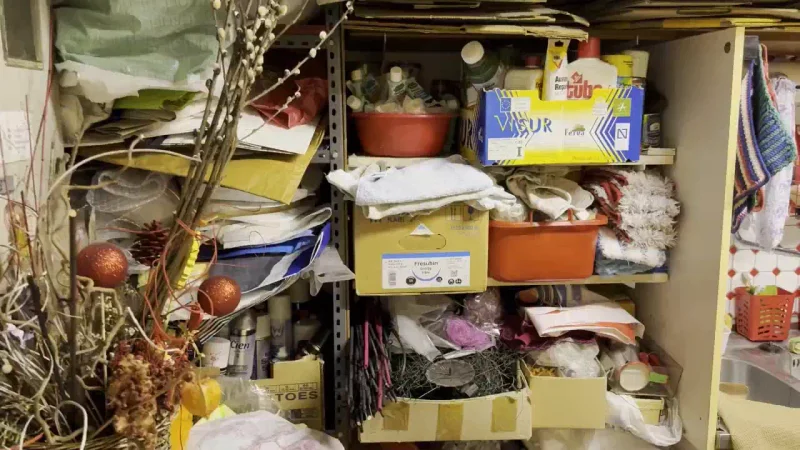
Decor often reflects earlier times: your first apartment, a specific phase of life, a trend, or a color scheme. Just because these items once fit doesn’t mean they deserve permanent storage. Additionally, old decor doesn’t last forever. Materials age, artificial flowers fade, natural materials decay, and some items simply become unsightly or attract unwanted pests.
Moreover, decor can evoke a sense of nostalgia, sometimes warmly and other times with a sigh. However, a basement isn’t a repository for emotions. If something no longer resonates with you, doesn’t suit your home, and serves no real purpose, it’s time to part with it. You can donate, sell, or dispose of items that have outlived their usefulness. Decor is often easier to let go of than one might initially think.
Category 6: Leftover Tiles, Wallpaper, and Carpets
Anyone who has renovated knows the temptation: "Better hold onto this; you never know." A few spare tiles? Useful. A strip of wallpaper for a small repair? That’s reasonable. However, what often gets saved is far beyond that: multiple boxes of tiles, old rolls of wallpaper, carpet scraps, and materials from long-ago renovations.
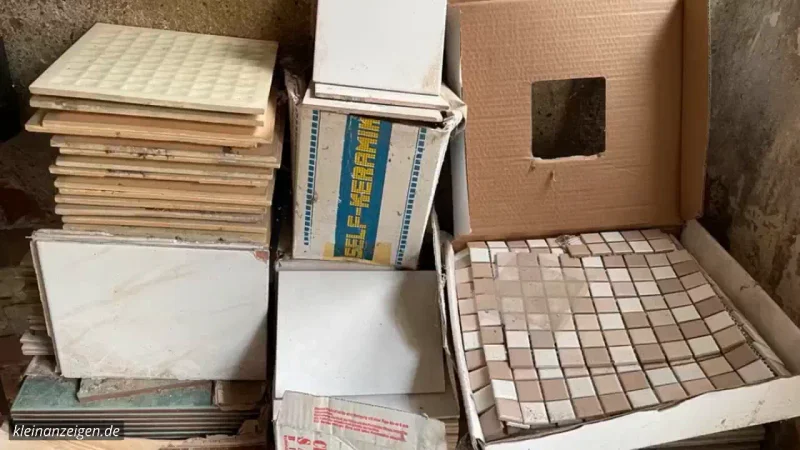
Here, distinguishing between sensible reserves and burdensome clutter is key:
- A small set of spare tiles can be useful.
- A single strip of wallpaper for repairs can be practical.
- Entire stockpiles from past living situations are generally not necessary.
Wallpaper visibly ages; it can yellow, become brittle, or be difficult to work with later. Tiles, while durable, are heavy and cumbersome. Often, large quantities linger without any real justification other than "it was left over."
If you don’t need the materials yourself, pass them on. Spare tiles or leftover renovation supplies can often be given away or sold cheaply because someone else may be looking for that exact amount.
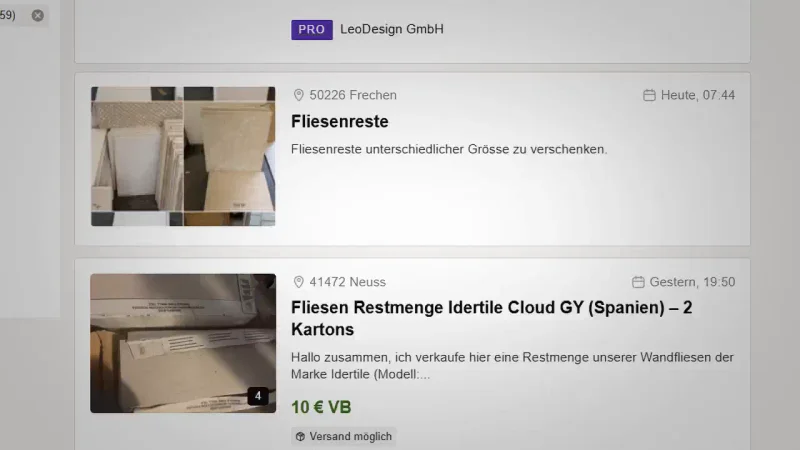
Once again, remember that what’s stored in the basement isn’t free; it literally weighs your life down.
Category 7: Memorabilia Without Positive Feelings
This is perhaps the most sensitive category. It concerns not just any memorabilia but items that evoke negative feelings. They may come from people with whom you had difficult relationships, or they may be tied to sadness, guilt, or past conflicts.

Such items often linger for a long time because people avoid confronting them. As a result, they frequently end up in the basement or attic, remaining as silent emotional burdens.
A helpful thought is this: if an item were truly important to you, it would likely have a place in your active life. If it’s been sitting in the basement for years, it has already lost its significance—despite any emotional attachment that hasn’t been fully resolved.
This doesn’t mean one should be heartless; it simply means one can ask:
- Does this item bring anything good into my life?
- Or am I just holding onto a negative feeling?
- Do I really want to keep this story alive?
Memories reside not only in objects. Not every item deserves a permanent place just because it once belonged to someone or is tied to a past experience.
What You Gain After Decluttering
The most rewarding aspect of decluttering your basement, attic, or storage areas isn’t just the newfound space; it’s the feeling of lightness afterward. When a storage area is cleared out, it not only creates room but also fosters a sense of clarity and relief, allowing for a more organized and peaceful living environment. Embracing this process can lead to a more intentional and enjoyable home life.