Visual Chaos, Visual Clutter: Your Home is Yelling at You
Today, I will show you how to immediately stop this constant visual noise, visual chaos. And the best part: You don’t have to throw away a single item.
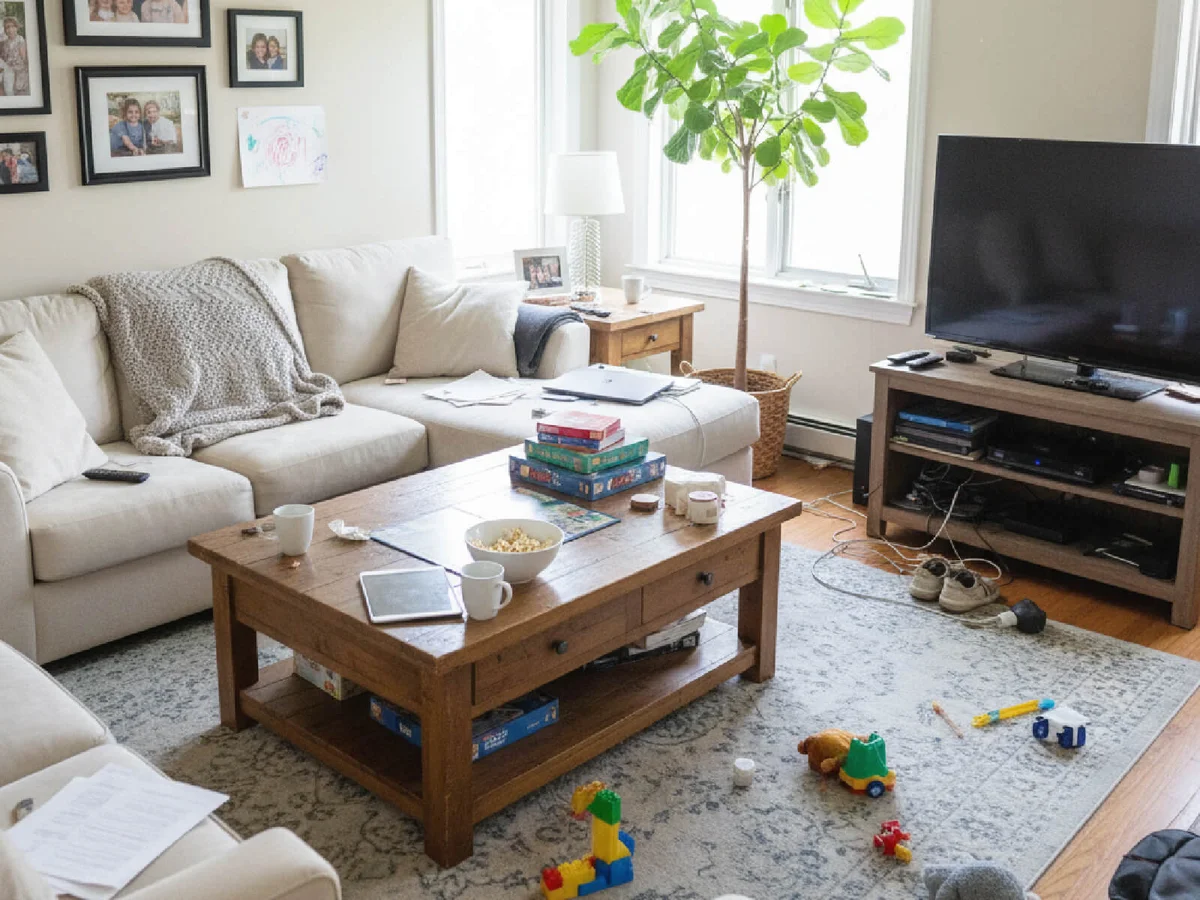
Today, I will show you how to immediately stop this constant visual noise, visual chaos. And the best part: You don’t have to throw away a single item. We bypass this emotionally exhausting process of decluttering that blocks so many of us and instead use a simple trick known to interior designers and professional organizing experts.
Why Decluttering is Often the Problem, Not the Solution
You probably think you need to perfectly declutter everything before you can feel comfortable. This is the belief that has been drilled into us all: To have peace, you must own less. Free yourself from burdens. That is certainly true.
But decluttering is often the problem itself. It is incredibly emotionally draining. Before you even start, the fear of making wrong decisions paralyzes you. What if I regret it? What if I need it later? This decision fatigue is the biggest blockade on the way to a home that energizes you.
A Brief Look into Your Brain
To understand why this method works, we need to take a quick look at what happens in your head. Your brain is a high-performance machine that constantly scans the environment. Every time your gaze sweeps over a messy table or a pile of laundry, your brain registers: "unfinished task."
These visual stimuli are like open tabs in your internet browser. They constantly consume processing power, even when you are not actively using them. This leads to visual overload. Your energy is depleted before you even begin.
That’s exactly why the big decluttering often fails. If your brain is already exhausted from merely perceiving the clutter, it lacks the strength for the emotional decisions of throwing things away. So we turn the tables: We first create visual calm to give your brain the mental space it needs.
Make the Chaos Invisible
The first step is so simple that it is often overlooked: the door-effect. The formula is: What you don’t see doesn’t burden you. An overflowing wardrobe is just a piece of furniture for your nervous system when the door is closed. With the door open, it becomes an overwhelming to-do list.
Every visible item demands a micro-decision from you. When you close the door, you turn off that background noise. So, please don’t go and empty the closets right now. Just close the doors. Pull the drawers shut. Draw the curtain in front of the shelf. Your goal for today is not inner order but outer calm. We create a visual buffer zone so your brain can breathe.
Create a Calm Island
If you still feel like the chaos is overwhelming you, the next step will help: We actively create a place of absolute order. I call this the calm island. This is a small, clearly defined area – perhaps your bedside table or a section of your desk – that you completely clear and keep clean.
This is powerful because your brain generalizes. When it sees chaos everywhere, it thinks everything is chaos. But when it sees that one point of perfect order, it receives the message: "Order is possible. I have control." This directly strengthens your sense of self-efficacy. This little island is your proof that you have the power to change your environment.
The Neutral Coat Against Visual Chaos
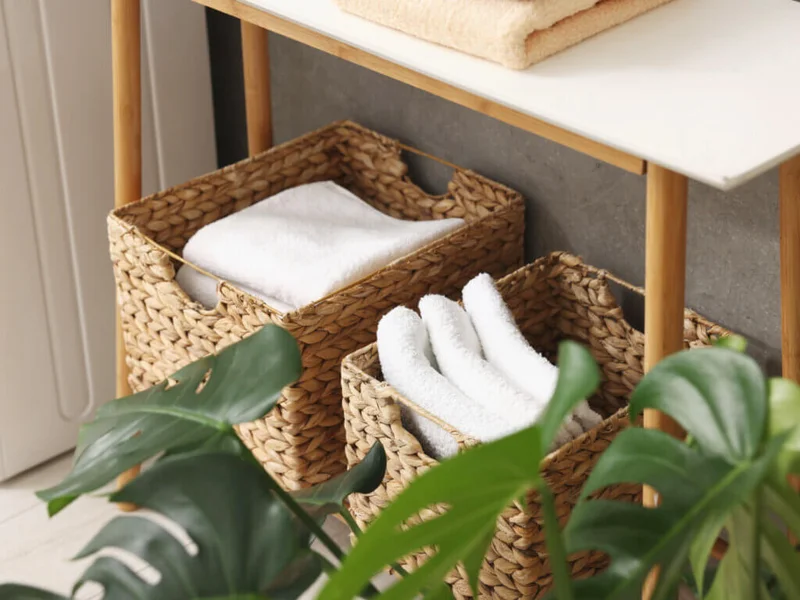
Often, it is not the quantity of items that stresses us, but their color and shape. A red vase here, a yellow book there – your eye jumps back and forth and finds no resting point. The solution is the neutral coat.
Pack all the small, colorful, restless items – pens, kitchen utensils, tubes in the bathroom – into simple, neutral containers. White, beige, or gray boxes are your best friends here. It doesn’t matter how it looks inside these boxes. What matters is the external effect. A white box signals unity and calm to your brain instead of twenty different color stimuli. You don’t have to part with your belongings; you are simply protecting yourself from their visual noise. This immediately creates capacity for your own thoughts and relaxation.
Straighten What is Crooked
This point works almost like magic because it is so subtle. Pay attention to the vertical stability in your space. Crooked pictures, tilted books on the shelf, or wobbly stacks send a constant message to your subconscious: "Something is wrong here. This is unstable."
Your brain is always looking for stability. So walk through the room and straighten everything up. Align the pictures. Arrange the books so their spines form a line. Pay attention to right angles. This sends the signal of safety and control. You won’t hear a big bang, but you will feel a subtle, immediate relaxation. Your home will stop subtly warning you and start supporting you instead.
The Emergency Basket for Immediate Effect
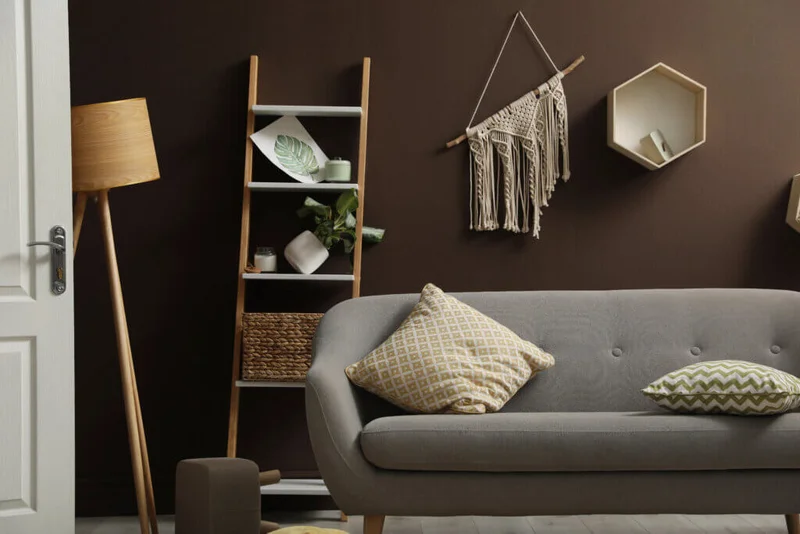
If you have little time, this last step is your secret weapon: the 5-item emergency sweep against visual chaos. We apply the 80/20 rule here. Usually, it’s just a few items that cause most of the visual noise.
Take a basket and go into the room that stresses you the most. Look around for ten seconds. Which five items jump out at you immediately? What is the "loudest"? Maybe the bright red jacket over the chair or the mountain of mail on the table. Take three minutes, collect exactly those five troublemakers, and remove them from the room. You don’t have to throw them away, just get them out of sight.
The room will immediately feel quieter because you have removed the biggest attention grabbers. This gives you an immediate sense of accomplishment and breaks the paralysis of overwhelm.

From Outer Calm to Inner Energy Without Visual Chaos: The Video
All these steps are the foundation. They create the conditions for your home to stop being an energy thief and become an energy giver.
In my video, I explain everything about this topic again: