Evaluating Window Vacuum Cleaners: Key Considerations
An in-depth analysis of window vacuum cleaners, comparing traditional models with comprehensive cleaning systems to determine their effectiveness and suitability for different cleaning tasks.
Window vacuum cleaners often impress users during their initial use, preventing dirty water from dripping onto windowsills and floors while leaving glass surfaces dry. However, the true effectiveness of these devices becomes apparent only after multiple cleaning sessions. Factors such as battery performance, ease of use, maintenance requirements, reach, and how frequently the vacuum is utilized play crucial roles in determining its long-term value.
A thorough evaluation should encompass the entire cleaning process. Key questions include: How quickly can the device be prepared for use? Does the suction power remain consistent? Are the tank, attachments, and hoses easy to clean? And does the system continue to offer a significant advantage over traditional squeegees and microfiber cloths after several months of use?
The True Performance of Traditional Window Vacuums
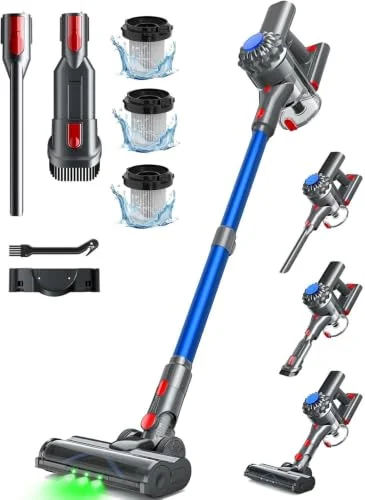
At its core, a conventional battery-operated window vacuum functions as an electric squeegee. Initially, the glass is sprayed and cleaned with a cloth, after which a rubber blade removes the water while the motor vacuums the liquid into a small dirty water tank. Most models separate the spraying, washing, and vacuuming processes, which is one of their main advantages: they are compact, readily available, and designed specifically for smooth surfaces.
On larger panes, mirrors, or tiled walls, window vacuums can significantly reduce running water. However, notable differences among models become evident in everyday use. Independent tests assess not only cleaning results but also battery life, tank size, noise level, sealing, and handling. If the squeegee is pulled too quickly, it may leave water streaks behind. Smaller dirty water tanks require more frequent emptying, and a dirty or damaged rubber blade can directly impact performance.
Distinguishing Between Specialized Devices and Cleaning Systems
Before purchasing, it is essential to determine whether a household needs a compact standalone device or a more comprehensive cleaning solution. Comparing a manual squeegee, a window vacuum, and a complete wet cleaning system reveals devices with different focuses.
The Vivenso, for instance, is not in the same category as a small battery-powered window vacuum. This base unit is a water vacuum that can be expanded with a spray extraction kit and the Pro-Aqua window squeegee for glass cleaning. Water is delivered through a hose to the attachment, where microfiber removes dirt, and the liquid is then vacuumed away into the Vivenso’s water tank. This design allows cleaning and vacuuming to occur in a single workflow, eliminating the need for a separate battery-operated device that must be charged and stored separately.
This construction has a clear consequence: the Vivenso is less spontaneously ready for use than a small handheld device but offers a much broader range of applications. The system operates on mains power and includes a longer hose, extension tubes, and multiple accessories, thus requiring more storage space. However, it eliminates the time constraints associated with battery life.
What Really Saves Time in Long-Term Use
Whether a cleaning system saves time largely depends on the area being cleaned. For a single bathroom mirror, a cloth or small window vacuum is usually quicker to grab. However, when dealing with multiple windows, large glass surfaces, or a conservatory, the equation changes. The long hose and extension tubes increase reach while the base unit can remain on the floor.
The separate fresh water tank of the spray extraction kit holds approximately 3.5 liters, reducing the frequency of refills during extensive cleaning tasks. Fresh and dirty water are kept separate, with used liquid directed into the base unit's water tank rather than being reapplied to the glass.
While the time saved during cleaning is a benefit, the setup time must also be considered. Installing the fresh water tank, connecting the hose, and attaching the window squeegee takes longer than simply retrieving a charged handheld vacuum from storage. Therefore, in a long-term evaluation, it is crucial to assess whether the Vivenso will be used regularly for other tasks. If the base unit is already available, the additional effort for window cleaning is significantly reduced.
Streak-Free Results Depend on More Than Just the Device
The term "streak-free" may seem like a definitive product feature, but in practice, the outcome depends on several factors. The rubber blade must be clean and undamaged, the cloth should be free of old grease, and the attachment should be moved evenly across the glass. With traditional window vacuums, a slower pulling motion is often necessary to ensure complete liquid absorption. Occasionally, a thin layer of water may remain on frames and seals, requiring a cloth for removal.
For the Vivenso, the microfiber cloth on the window squeegee performs the actual dirt removal. According to the manufacturer, no additional glass cleaner is needed for normally dirty windows. This can help avoid residues that may cause streaks when too much cleaner is applied. The cloth can be washed at up to 60 degrees Celsius after cleaning.
However, heavily dried dirt, bird droppings, or greasy deposits should still be pre-soaked or gently pre-cleaned. No suction system can completely replace manual dirt removal; the device can only vacuum up liquid that has already been loosened from the surface.
More Applications Mean Greater Possibilities
The most significant distinction between the two types of devices is evident beyond the window. A typical window vacuum is limited to smooth, waterproof surfaces. It can effectively vacuum mirrors, tiles, and glass doors, but it is not designed for carpets or upholstery cleaning.
The spray extraction kit expands the Vivenso’s capabilities depending on the attachment used for windows, mirrors, conservatories, tiles, and other hard surfaces. It can also wet-clean carpets, sofas, mattresses, car seats, and other upholstered areas. Water or an appropriate cleaning solution is applied, dirt is loosened, and the moisture is subsequently vacuumed away. The spray extraction kit includes specific nozzles and cleaning products for carpets and upholstery.
In households with many textile surfaces, this multifunctionality can eliminate the need for a separate carpet or upholstery cleaning device. Additionally, hard floors such as tiles, PVC, or linoleum can be damp cleaned and vacuumed afterward with the appropriate attachments. Sensitive floors should always be cleaned according to the manufacturer's care instructions.
However, the broader range of applications is only advantageous if the attachments are actually utilized. Accessories that remain unused in storage do not provide practical benefits. Therefore, before making a decision, an honest assessment is necessary: Which areas are regularly wet-cleaned? Is there sufficient storage space? And how quickly should the device be ready for use?
Maintenance Determines Long-Term Performance
In the long run, cleaning devices rarely fail during their initial use. Problems typically arise from stagnant dirty water, clogged hoses, damp microfiber cloths, or worn-out squeegee blades. For battery-operated window vacuums, issues can also stem from battery aging and potential charging problems. Replaceable blades, available spare parts, and easy access to the tank are often more valuable in practice than comfort features that are rarely used.
With the Vivenso, dirty water tanks and used attachments must be emptied, rinsed, and dried after each use. If cleaning agents were used in the spray extraction kit, the manufacturer recommends filling the fresh water tank with clear water afterward and briefly running the integrated pump to flush out residues from the hoses and pump.
This maintenance effort is higher than that of a simple squeegee. However, it is part of using a system that transports water through the tank, pump, hose, and attachment. Planning these steps after each use can help prevent odors and deposits, improving the chances of reliable long-term performance.
Which Solution Fits Whom?
A traditional window vacuum is well-suited for small to medium households where primarily windows, mirrors, or regularly occurring condensation need to be vacuumed. It is lightweight, quickly accessible, and usually more affordable. Before purchasing, battery life, tank emptying, weight, and availability of replacement parts should be checked.
The Vivenso with spray extraction kit is particularly appealing for households that already own the base unit or are specifically looking for a versatile cleaning system. Large window areas, conservatories, carpets, upholstered furniture, mattresses, or car seats provide multiple occasions for regular accessory use.
For those who only clean a few windows twice a year, the more extensive system may offer more technology than necessary for the task. Conversely, those looking to avoid multiple cleaning devices and who have adequate storage space can benefit from the combination of window, hard floor, carpet, and upholstery cleaning.
Conclusion: The Scope of Use Determines the Choice
This evaluation reveals that the term window vacuum encompasses a wide range of concepts. The battery-operated handheld device focuses on suctioning smooth surfaces, while the Vivenso combines window cleaning with an expandable wet cleaning system that collects dirty water in a central tank.
There is no clear winner among these options. For spontaneous, smaller tasks, the traditional window vacuum is more practical. In contrast, for large areas and multiple cleaning tasks, the system solution can effectively utilize its additional components. Ultimately, the most important consideration is not the most impressive marketing claim but rather which device will continue to be regularly set up, maintained, and used after several months.