The Surprising Truth About Single-Phase Testers
The reliability of single-phase testers can be misleading. Learn about the varying light intensity and the risks of misinterpretation when testing electrical circuits.
The Surprising Truth About Single-Phase Testers
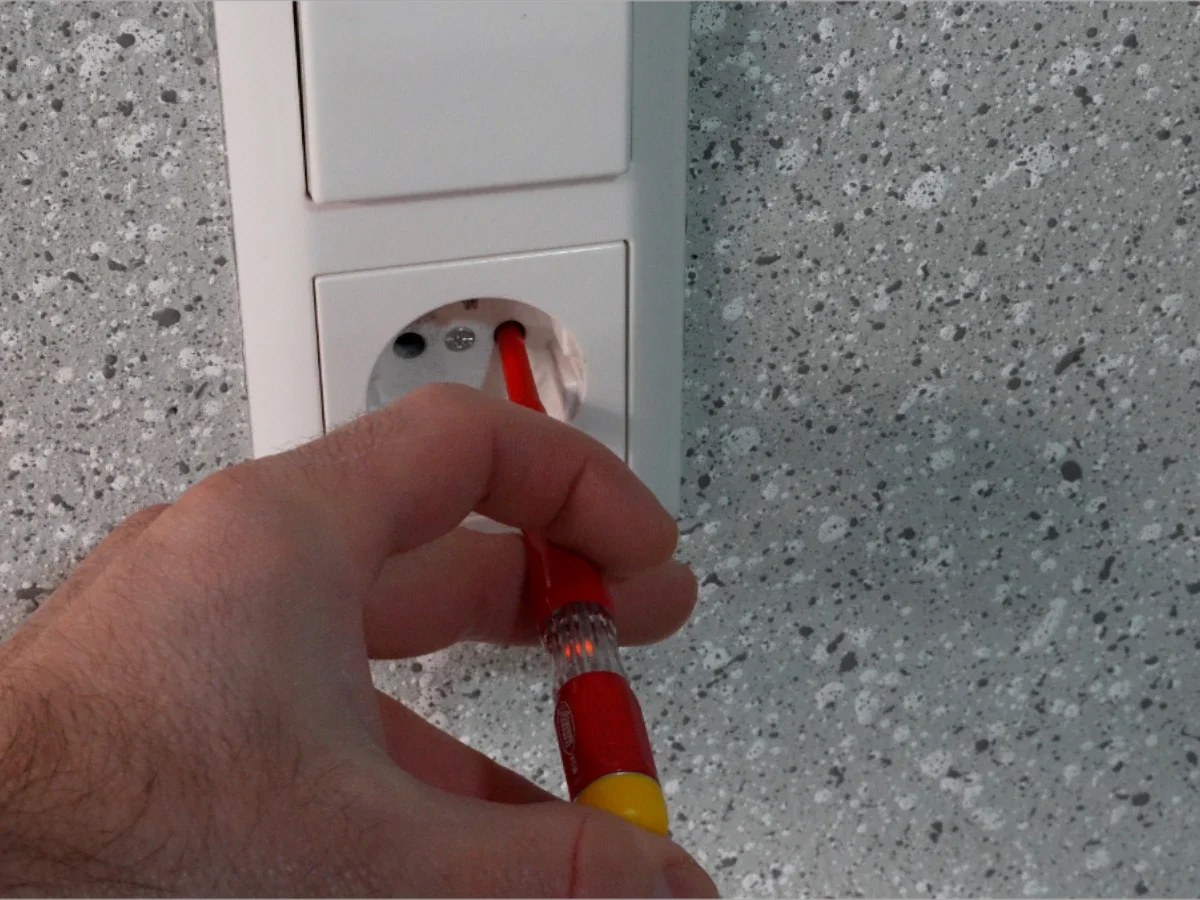
When it comes to household electrical safety, many rely on single-phase testers to determine whether a circuit is live. However, the reliability of these devices can sometimes be misleading.
Light Intensity in Testing
The intensity of the light emitted by a single-phase tester can vary significantly based on the conditions under which it is used. For instance, when testing with shoes on a hard surface, the light may appear dim, leading to the false impression that the circuit is not energized.
Risk of Misinterpretation
Conversely, when testing with bare feet or socks directly on the ground, the light's intensity can increase dramatically, creating the illusion of voltage presence. This can lead to a dangerous misunderstanding of the actual electrical status.
Testing with Shoes on a Ladder
Testing while standing on a ladder with rubber feet can yield very weak or barely visible light from the tester. This situation can falsely suggest that the circuit is safe and free of voltage, which is a risky conclusion to draw.
In summary, while single-phase testers are useful tools for assessing electrical safety, users must be aware of the various factors that can affect their readings. Proper understanding and caution are essential to avoid potentially hazardous situations in household electrical management.