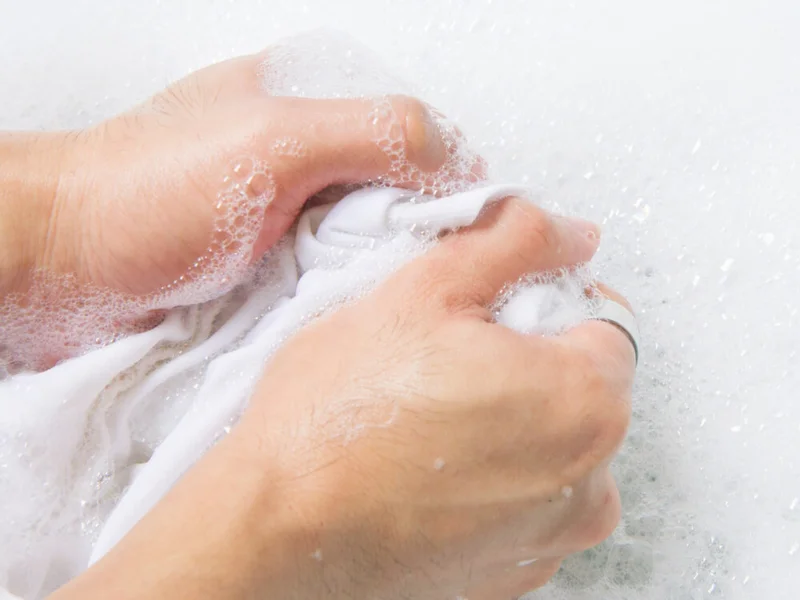
Wash Stains Hot or Cold?
As a home organization expert, I am continually surprised by the many factors to consider when washing. It’s a science in itself! Today, we will delve into this science together.

As a home organization expert, I am continually surprised by the many factors to consider when washing. It’s a science in itself! Today, we will delve into this science together. The first thought when it comes to removing stains is to use warm or hot water, as it kills bacteria, right? Almost right! There are certain substances for which hot water is counterproductive. Let’s take a look at which ones they are.
Wine
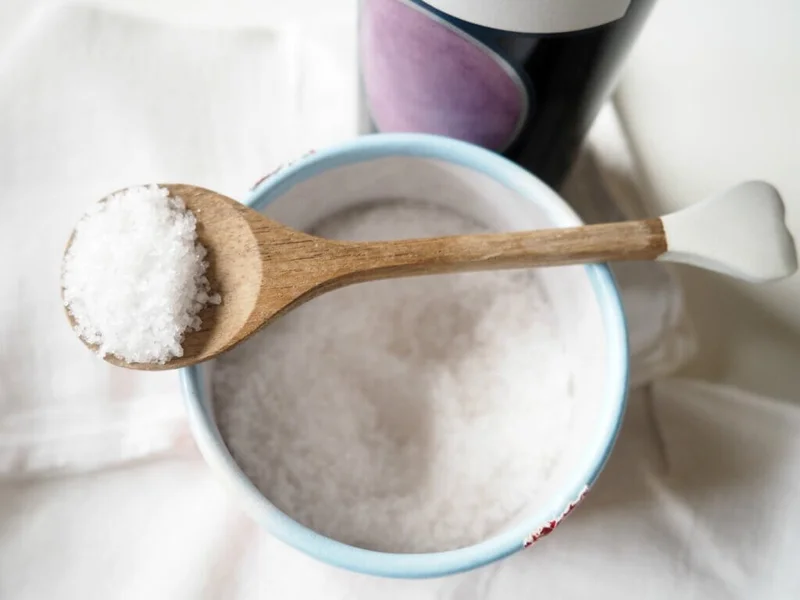
A red wine stain on a white knit sweater is probably the nightmare scenario of any cozy evening. But don’t worry, it can be wonderfully removed, just not with hot water. Hot water causes the tannins, which are the natural compounds present, to set in, making it harder to remove the color pigments. Better: Sprinkle salt directly on the stain. After 10-15 minutes, tap it out and rinse with cold sparkling water.
Fruit
Like wine, fruits unfortunately contain compounds that are difficult to remove from textiles. When exposed to hot water, these compounds become more firmly anchored in the fibers of your clothes. Use mild dish soap, distilled white vinegar, or simply cold water to remove the stains.
The beauty of these compounds is that fruits have such vibrant colors – everything has a positive side. You can get rid of them like this: Rinse fresh stains immediately with cold water or soak them in mineral water.
Protein Stains
No, this isn’t about stains caused by protein powder or similar substances, so athletes can breathe easy. What is included are blood, sweat, dairy products, eggs, breast milk, and many others. Hot water causes these stains to set more firmly in the fabric of the clothes, making them harder to remove. Better: Soak in cold water and pre-treat with gall soap, then wash normally.
Color and Ink
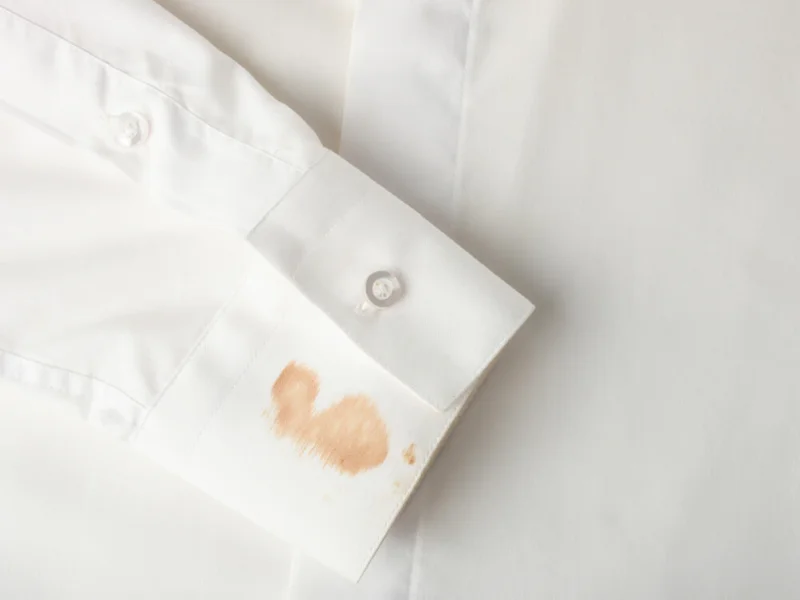
Creativity should always be encouraged, just not in the form of paint splatters on a new t-shirt. If that happens, lay the garment with the stained side down in the sink and rinse it gently with cold water to prevent the stain from spreading. Wash it separately afterward to prevent the color or ink from transferring to other garments.
Grass, Dirt, and Mud
This happens when the child has once again played outside extensively. Heat reacts here similarly to protein stains. So turn the faucet to cold and let’s get rid of the mess! For mud, it’s best to wait until it’s dry so it can be brushed off and then treated.

Grease
Anything that falls into the category of butter, oil, mayonnaise, and similar substances should be kept far away from hot water. Hot water actually spreads the grease rather than dissolving it. Use a grease-cutting dish soap to remove it.