Cleaning During Illness - Tidying Up Against Viruses and Co.
Oh man, how I hate January to March! During this time, things happen that year after year bring my mood down: all the thick tights get ruined, Netflix is empty, and the immune system is in the basement.
Oh man, how I hate January to March! (Not fundamentally, you understand ...). During this time, things happen that year after year bring my mood down: all the thick tights get ruined, Netflix is empty, and the immune system is in the basement. I don't know how many times you have drawn the "flu for all" lottery this season. Traditionally, after the New Year, things really get going, and all the viruses throw a party. Those with small children often have the pleasure starting in October, and it probably continues until March with runny noses and holding hair over the toilet bowl.
Yeah, not a great topic. The beloved one is the one who comes into contact with the most germs in our household. Large events in cramped spaces with plenty of "kisses right, kisses left". His immune system is really toughened, but now and then he brings home the killer viruses. Or Sophie from school. Or me from the office.
Well, since we don’t have a quarantine tent in the apartment, the sick person happily spreads their germs everywhere. On the doorknobs, phone, towel, sofa... And the rest of the family can choose where to grab it, to also spend a round in bed.
So, what to do? To be honest, I don’t particularly enjoy cleaning, and cleaning during illness is not a hobby. I also believe that one shouldn’t make a fuss about the tenth kindergarten cold. Otherwise, you’d drive yourself completely crazy with a family in winter. I’m more concerned about the “worse” variants, like a norovirus, a cold, or even influenza.
Viruses Wait Patiently for a "Carrier"
Humans are, by the way, the number one transmission route. Now you can roll your eyes – most people already know that you should keep your distance from sneezing colleagues. But it’s not just direct contact from person to person; it’s also indirect through food or objects that are touched. Viruses and pathogens linger on surfaces, waiting for a "carrier". This can sometimes take longer, but those pesky little creatures are well-equipped: flu viruses can survive for up to two days outside the body, noroviruses (causing diarrhea) can survive even longer on dry surfaces.
Before You Start: What Should I Clean With?
I’m for natural cleaning agents! Best homemade and free of harmful substances for our bodies and the environment. We clean 99% without additional hygiene products. In my book, I write and explain in detail how I make them, and in this article, I have summarized why cleaning with essential oils works wonderfully for disinfection.
Cleaning During Illness: Sometimes More is Needed
BUT – here comes the big BUT – I know there are situations in life that aren’t always easy, and one might reach for a conventional disinfectant.
I personally find that perfectly fine. If I’m face-to-face with the toilet bowl during a norovirus, I’d prefer to send my husband to the drugstore without having to explain to him for long what he needs to mix. Or you get the recommendation from the pediatrician to please clean everything with cleaner XY for the next few days (this has happened to us a few times). All good; we don’t want to lead a dogmatic life. Once everyone is fit again, we’ll do our best and clean sustainably!
However, there are a few things to keep in mind when cleaning during illness if you use disinfectants:
- Get a product that is ready to use, meaning it doesn’t need to be mixed. This avoids under-dosing or burns.
- Very important: Always observe the recommended exposure time! This time is necessary to kill at least 99.999% of bacteria, 99.99% of fungi, and 99.9% of viruses. (Oh dear, can I be picky!)
- If you’re buying disinfectants, get them from the pharmacy and ask for advice there. An important quality feature is the indication "VAH-certified" or "VAH-listed".
- Not every disinfectant works against every pathogen. Some products combat bacteria, but can do nothing against certain types of viruses. So make sure the products are "virucidal" that neutralize the majority of viruses (e.g., in norovirus infections). "Limited virucidal" products only cover a part of the viruses.
- When disinfecting surfaces, it’s often sensible to use disposable wipes. Oh dear, yes I know, that’s even worse for the environment! But cleaning cloths must be washed hot after each use, and don’t forget: it’s only temporary.
It’s very important to emphasize that for normal household cleaning, please, please do not use disinfectants! Once the products end up in the drain, they hinder the bacteria in the treatment plant that are used as cleaning helpers.
Cleaning During Illness: Now Let’s Tackle the Viruses!
1. Clean with Air
We start simply with cleaning during illness: please ventilate closed rooms regularly – this drives out at least some of the pathogens out the window. So simple, so effective! And for those who like, use essential oils in a diffuser that have disinfecting properties, such as tea tree, thyme, or eucalyptus.
2. Everywhere in the House: Door Handles
Okay, if the patient is lying in bed all day, you have a little grace period. But at the latest, the trip to the toilet and later shuffling around the apartment makes it necessary: all door handles must be wiped down. Because despite washing and disinfecting hands, bacteria on hands can never be completely avoided.
3. Washing and Cleaning During Illness: Bed Linens
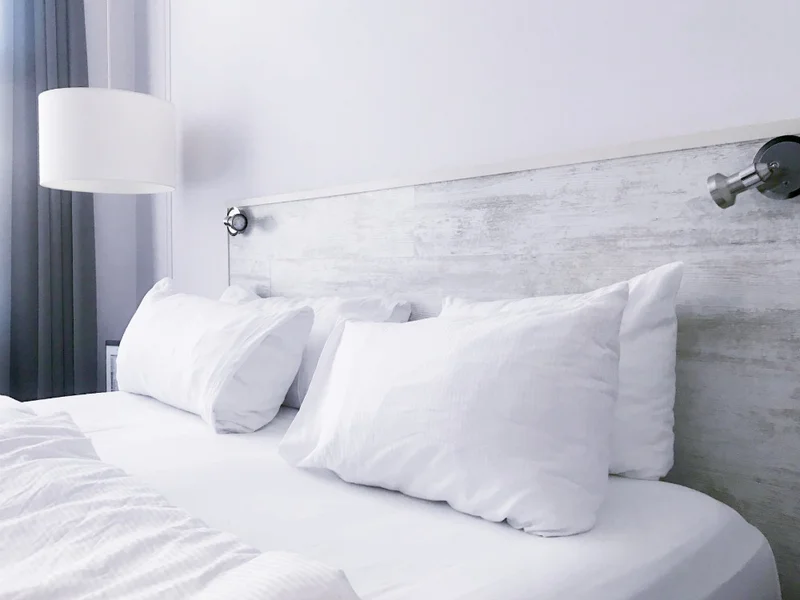
When we feel really awful, the bed is the perfect resting place. Unfortunately, it’s also for viruses and bacteria that remain in the fabric. So pillowcases and bed covers need special treatment.
Once the worst is over, the bed linens should ideally be washed at 90 degrees. This is important not only for infection but also because the sick body sweats a lot. Simply washing the laundry isn’t enough this time.
4. Towels and Clothing
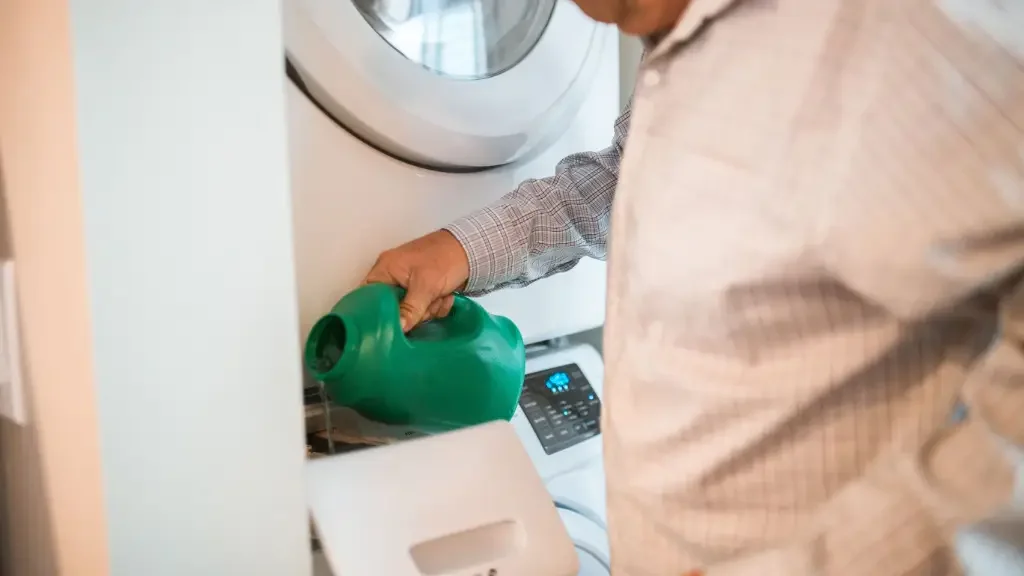
Do you also have cozy loungewear that you only pull out when you’re sick? I have an oversized onesie with penguins made of cotton that I only wear when I really don’t care about anything ;-). After recovery, it goes into the washing machine, just like all other textiles I’ve come into contact with. So towels, socks, underwear, etc. Everything should be washed as hot as possible! If very resistant germs are indeed at play, then a hygiene rinse can also go into the washing machine. Otherwise, tea tree oil works great for disinfection!
5. Clean the Bathroom Well
Let’s be honest: during an infection, a lot of bodily fluids are disposed of in the bathroom. And not all land where they should. Tiny droplets spray during gargling for sore throats and even stomach contents won’t always land in the toilet in all microscopic particles. You understand?
So here, when cleaning during illness, you have to go the extra mile! Wash all towels and also the bath mats! Disinfect the toilet and sink well, and don’t forget the faucets, toilet handle, lid, and shower handles. Wipe surfaces properly, clean trash cans and floors. What else? Don’t forget the door handle and light switch here either.
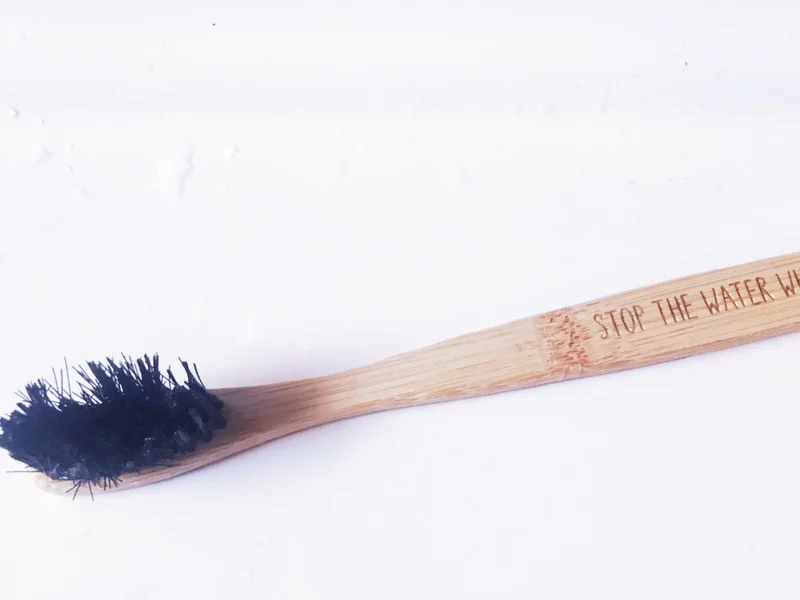
And then you should say goodbye to the toothbrush. Many germs are found in the mouth. While they can also be killed on the toothbrush with a special disinfectant mixture, this is the perfect time to change the toothbrush!
6. Clean the Kitchen
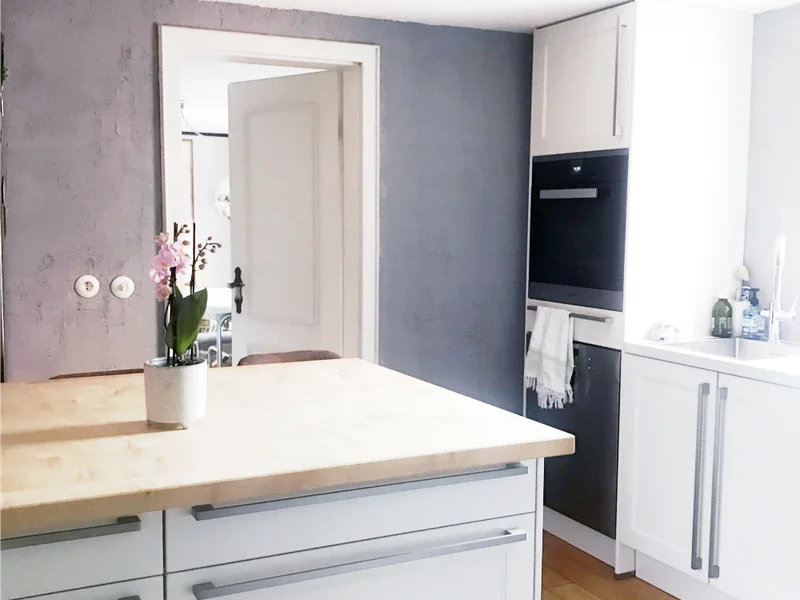
It’s now well-known that the kitchen has the highest concentrations of germs and bacteria. During illness, all dishes and cutlery used by a sick person should be washed in the dishwasher at the highest temperature setting. If you don’t have one, you can pour boiling water over the dishes briefly. And also in the kitchen: disinfect handles, knobs, and switches!
7. Let Me Entertain You!
What do you do when you’re sick? Lounge on the sofa? When Sophie was little, I liked to put a blanket on the sofa that could easily be thrown in the wash afterward. Don’t forget the cozy pillows that often lie there. And then disinfect everything that’s fun 😉 – phones, remote controls, computers, tablets, etc. – everything you needed to feel good. Don’t forget to wipe the coffee table...
8. Cleaning During Illness: The Toys
A child is sick, and boom, the next one is too. This is because small children tend to put everything in their mouths – including the little car that the stomach flu patient just played with. Therefore, it’s crucial to regularly clean the toys. And even the favorite stuffed animals should take a turn in the washing machine after recovery.
9. Cleaning During Illness: On the Go
I still vividly remember the sound before Sophie had to throw up in the Maxi Cosi. So here too, please swing the cloth and disinfect everything the patient came into contact with on the way to the doctor. This can be the car and the child seat, the stroller, but also the bike trailer. So maybe also the cockpit in the car, the handles, the car key... Okay, you can skip the tram...
Heavens, that’s a lot, but that’s the only way you can protect yourself from a new infection! Finally, of course...
... 10. The Cleaning Stuff
Cloths, mops, towels, etc. should either be disinfected or disposed of to avoid further spreading of germs. All cloths should be boiled well. Sponges should generally not be used for cleaning, as bacteria can settle in the crevices. And oh yes: it’s best to always wear rubber gloves, which of course also need to be cleaned at the end!
Anyone who has ever cared for a sick relative during an infection knows that disposable gloves or even a face mask are not entirely absurd. This is particularly important if you have someone at home with a weak immune system who must not get infected by a sick family member. Better to protect everyone once more!
Cleaning During Illness: Isn’t This a Bit Exaggerated?
When I read this myself, I feel a bit OCD (obsessive-compulsive disorder). But I can tell you that a stomach bug is nothing compared to a norovirus. You don’t want that in your house!
My father was very ill with cancer for a long time and was, of course, cared for at home. At that time, such hygiene measures were very important to avoid putting him at risk with his weak immune system. I know many of the measures mentioned above may seem a bit exaggerated, but life has surprises in store from time to time, and you’ll be glad to have such a list ready.