Effective Methods for Removing Label Adhesive
Removing label adhesive can be a hassle, but effective household methods exist. Learn how to tackle residue on various surfaces without damage.
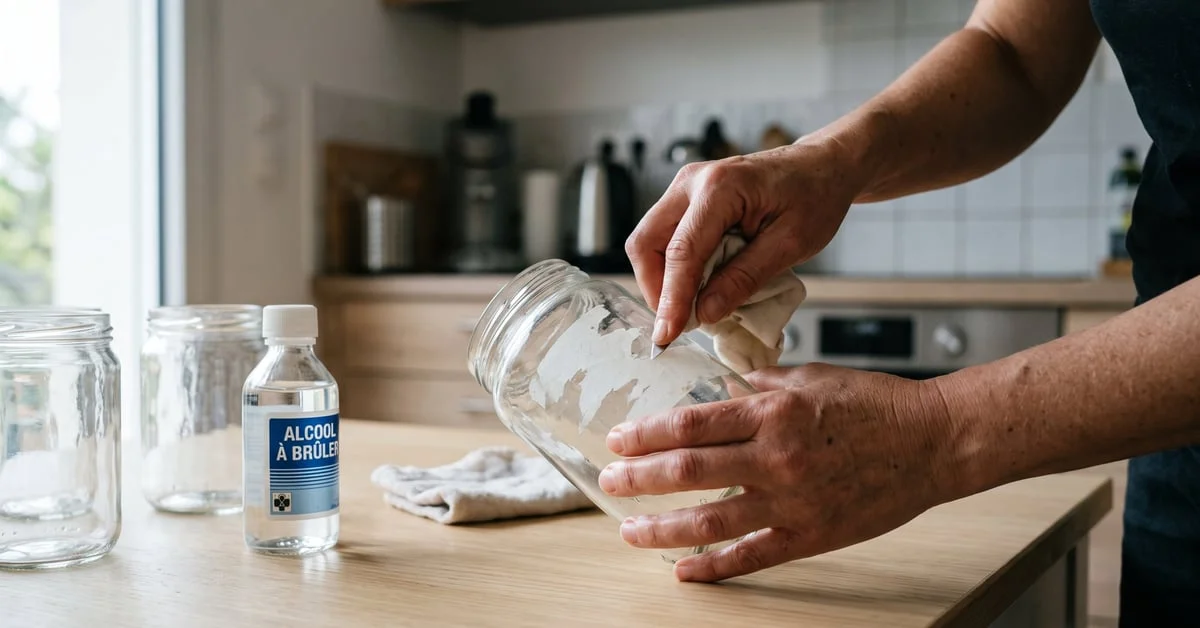
Removing label adhesive can be a frustrating task, especially when it leaves behind a sticky residue that attracts dust and looks unsightly. Whether it's on a glass jar, wooden furniture, fabric, or a car surface, adhesive can be particularly stubborn, often remaining long after the paper has been removed. Fortunately, several household products can effectively tackle this issue in under five minutes, provided you choose the right method for the surface in question.
Methods Using Heat or Cold
Hairdryer: The Quickest Solution for Almost Any Surface
Heat softens the thermoplastic adhesive found in most labels. By directing a hairdryer approximately 10 cm from the sticky area on a medium setting for about 20 to 30 seconds, the adhesive becomes pliable and can be easily wiped away with a finger or a soft cloth.
This technique is effective on plastic, metal, glass, and lacquered surfaces. However, when working with raw wood or sensitive synthetic materials, it is advisable to use moderate heat to avoid warping the surface.
Ice Cube for Delicate Surfaces
Conversely, cold makes the adhesive brittle and flaky. Placing an ice cube wrapped in a plastic bag on the residue for one minute allows the adhesive to crumble, which can then be scraped off gently with a fingernail or a soft spatula.
This method is ideal for clothing, carpets, or any surface where heat is not recommended. Be cautious of residual moisture from the ice on wooden surfaces and dry it quickly.
Household Products That Dissolve Adhesive
Oil: Vegetable, Mineral, or Olive
Oil effectively breaks down the resin in label adhesive. A few drops of cooking oil, mineral oil, or even peanut butter can be applied to the area. After letting it sit for five minutes, simply rub with a cloth or toothbrush, and watch the adhesive roll away in gray clumps.
This method works well on glass, metal, and rigid plastic. It’s advisable to follow up with a little dish soap to remove any greasy residue.
Alcohol: 70% and Isopropyl Alcohol
Alcohol dissolves adhesive on contact without damaging most hard surfaces. Soak a cotton ball or cloth and rub the area in circular motions, and the adhesive should disappear within seconds. Isopropyl alcohol, available at pharmacies and supermarkets, is even more effective than standard household alcohol.
Avoid using it on untreated ABS plastics and certain old varnishes; always perform a discreet test in a corner first.
White Spirit and Acetone: For Stubborn Cases
For older, hardened adhesive, oil and alcohol may not suffice. White spirit or acetone (nail polish remover) can tackle the toughest resins. Apply quickly, scrub immediately, and rinse with soapy water. These solvents can dull plastics and damage paint, so reserve them for non-porous surfaces like glass, metal, and ceramics.
Removing Adhesive Based on Surface Type
On Glass and Ceramics
Glass can withstand heat, alcohol, solvents, and even a razor blade. A flat razor blade held at a 30° angle can scrape off adhesive without scratching the glass. Combining this with a few drops of alcohol yields a pristine result in under a minute. The same approach applies to glazed ceramics, but avoid using blades on unglazed matte ceramics.
On Plastic and Metal
Always start with oil or alcohol, never strong solvents. Plastic can be tricky; acetone may dull its surface, and white spirit can cause whitening. Metal surfaces offer more flexibility—using isopropyl alcohol is the safest option to avoid tarnishing chrome finishes.
On Wood and Porous Surfaces
Raw wood absorbs liquids, so avoid saturating the area with alcohol. Begin with a hairdryer (moderate heat) to soften the adhesive, then gently scrape with a rigid cardboard piece or fingernail. If any residue remains, applying a small amount of linseed oil with a fine brush and wiping it off immediately can solve the issue without staining.
⚠️ On Fabrics and Clothing
Start with an ice cube. Once the adhesive is brittle, gently scrape it off. If any film remains, using household alcohol on a cotton ball can help remove the excess—be sure to test it first on an inner seam. For delicate fabrics like silk or wool, it’s best to take them to a dry cleaner to avoid any chemical experimentation at home.
Special Case: Labels on Paper
Removing adhesive from paper is particularly challenging, as the material cannot tolerate moisture or solvents. The hairdryer method at a low distance is the only viable option. A white eraser (like a school eraser) can also gently erase light residues once dry, but be sure to rub very softly.
| Surface | Recommended Method | To Avoid | |---------------------|-----------------------------------|--------------------------| | Glass / Ceramic | Alcohol, blade, solvent | None | | Plastic | Oil, isopropyl alcohol | Acetone, white spirit | | Metal / Stainless | Alcohol, hairdryer | Metal abrasives | | Raw Wood | Heat + gentle scraping | Water, excessive alcohol | | Fabric / Clothing | Ice cube + scraping | Strong solvents |
Frequently Asked Questions
Does White Vinegar Remove Label Adhesive?
White vinegar is mildly acidic and can soften some label adhesives, particularly on glass or ceramics. Soak a cotton ball, let it sit for 5 to 10 minutes, then rub. Its effectiveness is lower than that of isopropyl alcohol or oil, but it is completely safe for both surfaces and health.
What’s the Difference Between Universal Solvent and Isopropyl Alcohol for Removing Adhesive?
Isopropyl alcohol at 70% or 90% is a selective solvent that dissolves adhesive without damaging most plastics or paints. Universal solvents often contain acetone or toluene, which are much harsher. For sensitive surfaces, it’s always best to use isopropyl alcohol as a first choice.
How Can I Remove Label Adhesive from a Painted Surface Without Damaging It?
On a painted surface, start with gentle heat (a hairdryer at 20 cm) to soften the adhesive, then carefully remove it with a microfiber cloth. If any residue remains, a few drops of vegetable oil rubbed gently can resolve the issue without harming the paint. Avoid acetone, white spirit, and any abrasives at all costs.
Are There Commercial Products Specifically Designed to Remove Label Adhesive?
Yes, several products are available, such as WD-40's Label Remover, Goo Gone (sold online), or adhesive sprays from brands like Rubson or Pattex. These contain organic solvents formulated to dissolve adhesive without harming common surfaces. Their advantage lies in being sprayable, making application on hard-to-reach areas easier.
How Can I Avoid Leaving Residue When Removing a Label?
The technique for removal is just as important as the product used. Gently peel the label starting from one corner at an angle of 30° to 45° relative to the surface—never at 90°. The slower and more steadily you pull, the less likely the adhesive is to tear and leave residue. For recent labels, using a hairdryer before removal can significantly ease the process.