
10 Uses of Coconut Oil in Household Management
Let's explore coconut oil and its applications: What can coconut oil be used for? Coconut oil is a true multitasker that excels in three main areas: in the kitchen, body care, and household management.
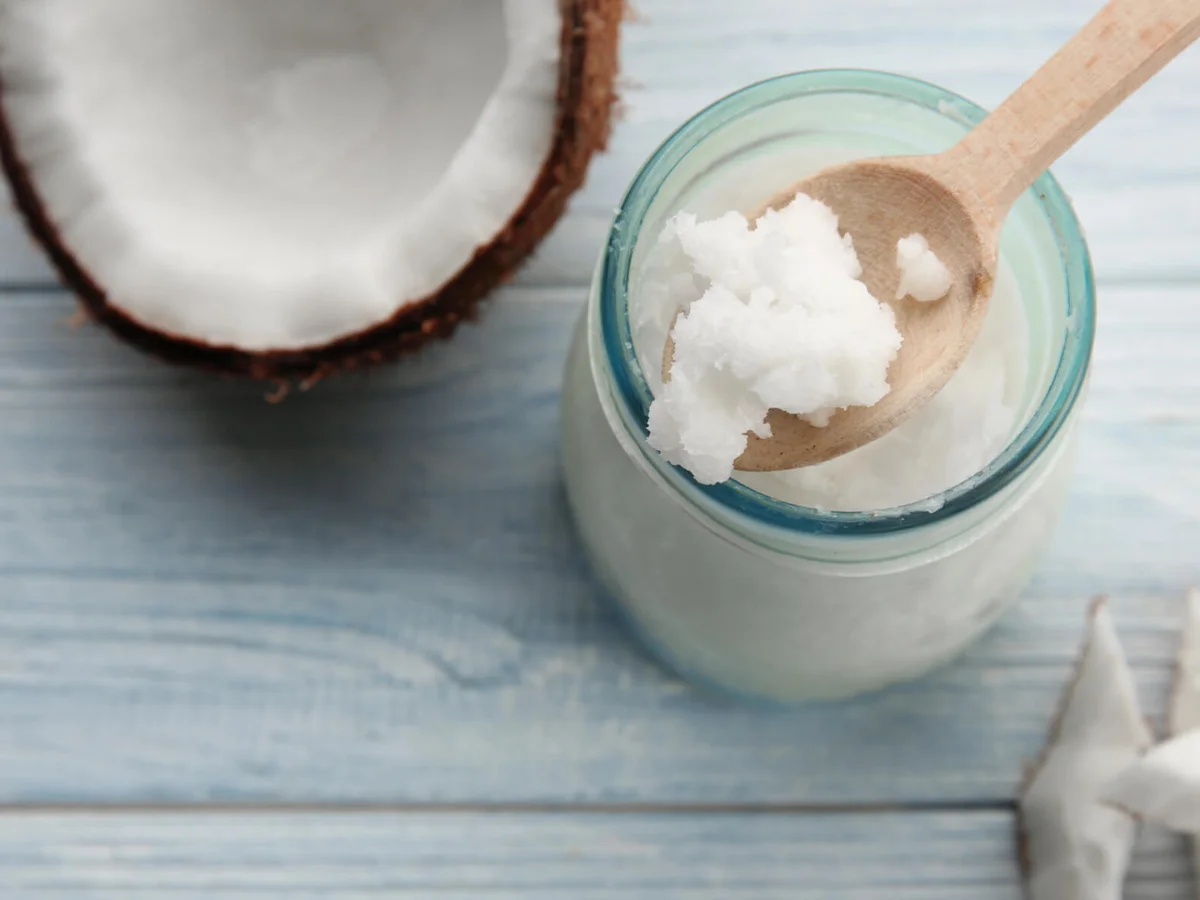
Let's take a look at coconut oil and its applications:
What Can Coconut Oil Be Used For?
Before I go into detail: Coconut oil and its applications are a true multitasker that shines in three main areas:
In the Kitchen – For frying, baking, and enhancing dishes with its exotic aroma.
In Body Care – As a natural moisturizer for skin and hair, makeup remover, and hair treatment.
In Household Management – For various care applications and as a natural alternative to chemical products.
The special thing about coconut oil is its unique fatty acid composition with lauric acid, which gives it antibacterial properties and allows it to be solid at room temperature but liquid when warmed. This makes it incredibly versatile and adaptable in its applications!
Perfect for anyone looking to use natural and versatile products and test out coconut oil in its applications.
Polishing Furniture
It’s Sunday, household cleaning is on the agenda, and there’s no furniture polish left – then it’s time for our top-notch cleaning agent: Coconut oil is a very effective organic furniture polish. With it, you can revive dull furniture and wooden items without harmful chemicals.
First, wipe the surface with a microfiber cloth to remove dust and dirt. This is really important, as otherwise it can become greasy and difficult! Then, apply virgin coconut oil with a clean cloth and rub the wood in circular motions. After 15-30 minutes of soaking time, the surface can be polished with a dry, clean cloth to restore its natural shine.
Caution: Work carefully with coconut oil, as it can be sticky and attract dust. Never use coconut oil on unsealed or porous wood pieces. The oil can penetrate too deeply into the wood and leave unevenness on the surface.
Refreshing Stainless Steel
Coconut oil can be a wonderful solution for cleaning stainless steel, especially when there are fingerprints or stains present. First, clean the stainless steel with water and dish soap to remove dirt. Then, apply a small amount of coconut oil to a microfiber cloth and rub it on each stainless steel surface. And voilà, it shines again.
DIY Diffuser
Fill a small vase or spice jar with two tablespoons of liquid coconut oil and add 20 to 30 drops of essential oil. Insert bamboo sticks into this mixture and turn them every few days to maintain a lasting scent. Perfect for desks, bathrooms, or entryways. The coconut oil acts as a carrier, allowing the essential oils to gently diffuse into the room over time.
Hair Conditioner
Coconut oil works wonders for hair: It moisturizes, nourishes dry ends, and makes hair silky soft, all without chemical additives or synthetic fragrances.
Warm a small spoonful of coconut oil between your hands until it is liquid. Generously massage the oil into the ends and work your way up to the middle part. However, avoid applying the oil too close to the roots or on the forehead to prevent clogged pores. Leave it on for 30 minutes to an hour before rinsing it out with water and shampoo to remove all residues.
Make sure not to use too much at once, or you might end up looking like an oil monster 😉
Tip for the clumsy among us: Be careful when using coconut oil in the shower, as it can make the floor slippery.

Lubricating Hinges
Coconut oil is thicker than mineral oil and therefore adheres better to vertical surfaces like door hinges. Simply apply it with a cotton swab or an old toothbrush to eliminate sticky and squeaky hinges.
Caring for Kitchen Utensils
You heard right, coconut oil isn’t just for the frying pan in the kitchen. Its use is a sustainable method for restoring and maintaining wooden kitchen items like cutting boards, spoons, and salad bowls. Coconut oil nourishes the wood, highlights its natural grain, and prevents the wood from drying out, cracking, or warping.
First, wash the item with warm soapy water. Rinse it well and let it dry completely. Then take a lint-free cloth and rub a small amount of virgin, unrefined coconut oil into the wood in circular motions. After the oil has soaked in for at least an hour, you can wipe off any excess oil with a clean, dry cloth until the surface no longer feels greasy or oily.
Removing Adhesive Residue
This is one of the lesser-known applications of coconut oil: making an adhesive remover. Mix equal parts melted organic coconut oil and food-grade sodium bicarbonate (baking soda). Once the liquid oil has cooled, add a few drops of essential lemon or orange oil and store it in a glass container.
Then rub this mixture onto the adhesive residue you want to remove and let it sit for up to five minutes. Wipe it off with a towel and hot water. It’s quick to mix, consists of only three ingredients, and is non-toxic. What more could you want?
Rust-Free Garden Tools
Protect metal blades, like garden shears or sickles, from rust: After cleaning, wipe them down with a small amount of coconut oil; a pea-sized drop on a cloth helps seal and maintain without harsh chemicals. As easy as that.
Oral Hygiene
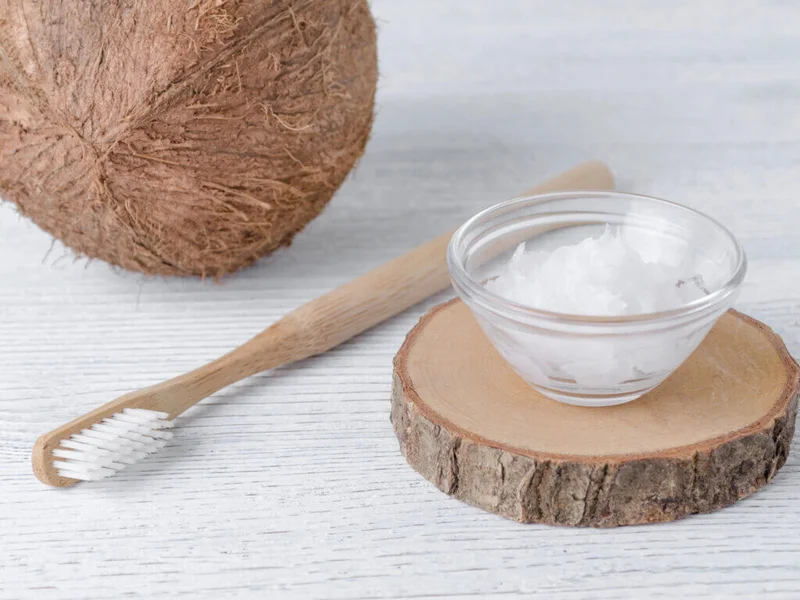
Oil pulling is an Ayurvedic oral hygiene practice where you swish coconut oil in your mouth for several minutes to remove bacteria, plaque, and toxins. Any edible oil can be used for this, but coconut oil is preferred due to its mild taste, antibacterial properties, and smooth consistency. It should be fun after all. 😉
And here’s how it works: Grab a teaspoon of pure, virgin coconut oil, place it in your mouth, and gently swish the oil around for several minutes. Start with three minutes and gradually work your way up to 15 minutes over time. Spit the oil into a trash can (to protect your plumbing) and rinse your mouth thoroughly with warm water. Then brush your teeth as usual with toothpaste.
Note: Be careful not to swish the oil too vigorously in your mouth, as this can lead to jaw pain.
Oil pulling is not a substitute for brushing teeth or flossing. Extra caution is advised with children, as they might easily swallow the oil.
Coconut Oil Application: The Final Point for Stressed Dog Paws
Massaging a small amount of coconut oil into your dog’s paw pads is enough to optimally moisturize the stressed skin. This protects against cracked, dry spots and prevents injuries. Especially in winter, this natural care is ideal when road salt and cold affect your furry friend’s paws.
But be careful: The paws must not become too greasy, as the animals could slip!