
Caring for Your Orchid: A Guide to Encouraging Blooms
An orchid that has just lost its last flowers is not a tired plant; with the right care, it can bloom multiple times a year, sometimes for decades. Here's how to ensure your orchid remains healthy and continues to bloom.
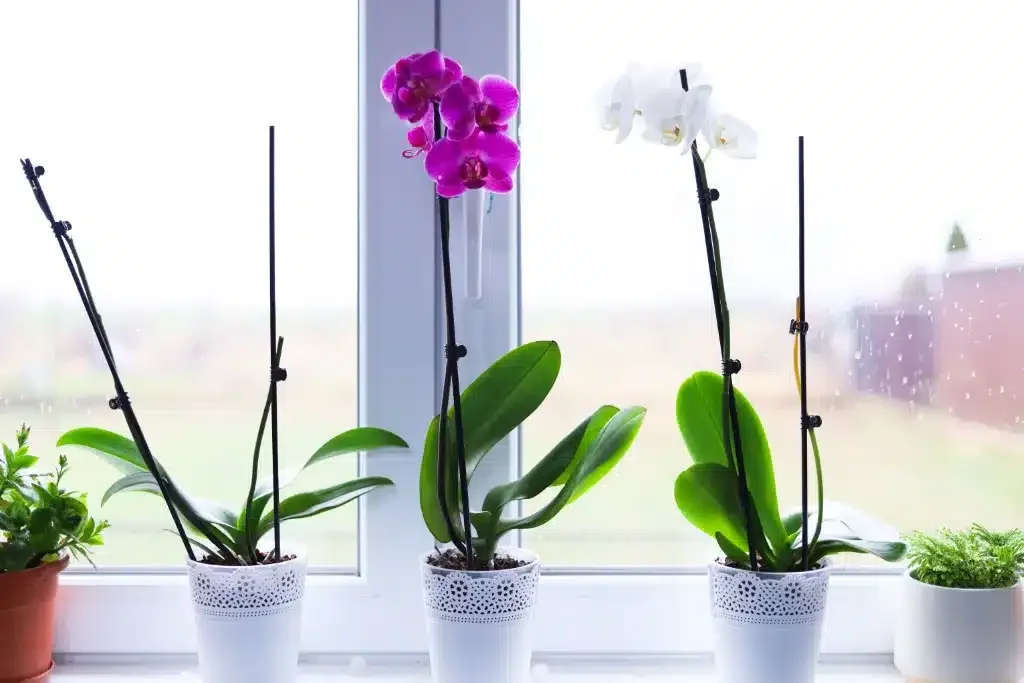
An orchid that has just lost its last flowers is not a tired plant; with the right care, it can bloom multiple times a year, sometimes for decades. Understanding light requirements, proper watering techniques, and the right temperature adjustments are essential to nurturing your orchid and ensuring it blooms season after season.
Introduction
Orchids, particularly the phalaenopsis variety, are renowned for their stunning blooms and longevity. However, many people mistakenly believe that once an orchid has finished flowering, it is done for good. With proper care, these beautiful plants can thrive and produce flowers repeatedly over many years. Here’s how to ensure your orchid remains healthy and continues to bloom.
Welcoming Your New Orchid Home
The initial days after bringing an orchid home are crucial. Orchids transported from a store often experience temperature and light shock, even during short trips. Here are some essential tips for the first few days:
- Allow the orchid to settle in its new location without repotting immediately.
- Avoid moving it around frequently to find the perfect spot.
- Protect it from cold drafts during the transition from the car to your home.
- Keep it away from radiators and air conditioning units, which can cause thermal stress.
Initial Check on Substrate and Roots
In the first few days, discreetly inspect the substrate and roots. If the substrate appears decomposed or the roots are damaged—often hidden by attractive packaging—address these issues promptly instead of waiting for weeks. This initial check can prevent unpleasant surprises and set a solid foundation for your plant's health.
Ideal Light Conditions for Orchids
The phalaenopsis orchid thrives in bright, consistent light, but it should never be exposed to direct sunlight, which can scorch its leaves within hours. A southeast or east-facing window with sheer curtains to diffuse midday light is ideal.
Proper Watering Techniques
The safest method for watering orchids is bassinage:
- Submerge the pot, without its decorative outer pot, in a container of room temperature, low-calcium water.
- Soak for 10 to 20 minutes.
- Let it drain thoroughly before placing it back.
- Water once or twice a week in spring and summer, and reduce to twice a month in winter.
Choosing the Right Water
Water quality is as important as frequency. Tap water, often high in calcium, can leave unsightly deposits on the substrate and roots over time. Rainwater or filtered water that has been allowed to sit overnight at room temperature is much better suited for this tropical plant.
Using Ice Cubes for Watering: A Controversial Technique
Some people suggest placing an ice cube on the substrate once a week as a convenient watering method. However, many orchid specialists advise caution, as the cold shock does not align with the natural conditions of this epiphytic plant. The ambient temperature bassinage method is the most reliable approach.
Signs of Thirst in Your Orchid
To determine if your orchid needs water, observe the color of the aerial roots through the transparent pot: silver or gray indicates thirst, while green roots signify adequate hydration. Soft, brown roots usually indicate overwatering, which is the leading cause of decline for these plants.
Ideal Temperature for Orchids
Orchids prefer a temperature range of 18 to 22 °C year-round, with a tolerance of up to 28 °C in summer. A brief drop to 15 °C can be beneficial for triggering blooming, as discussed later.
A healthy orchid will have firm leaves that are a vibrant green, without yellowing or wilting. The roots, visible through the pot, should be light green to silver-gray after watering, never black or mushy. Regularly seeing new leaves or roots, even outside of blooming periods, is a reassuring sign of normal growth.
Diagnosing a Sick Orchid
If your orchid displays softening or accordion-like pleats in its leaves, this often indicates an imbalance in watering—either too much or too little—rather than a serious illness. Take the time to observe the roots and leaves over several days, adjusting only one care parameter at a time to identify the underlying issue.
A liquid fertilizer specifically for orchids provides essential nutrients for growth and blooming:
- Nitrogen for foliage growth
- Phosphorus for a robust root system
- Potassium to enhance flower spike and flower development
Apply this fertilizer bi-weekly during active growth and monthly in winter. Repot approximately every two years in a well-draining orchid substrate, taking care with the plant's aerial roots, and repot when you notice:
- Roots overflowing from the pot or climbing out of the substrate.
- Substrate decomposing into a dense, black mass instead of remaining airy.
- Water draining too quickly or stagnating at the bottom of the pot.
- The pot feeling too light or heavy compared to the plant's size.
Coffee Grounds and Orchid Blooming
Coffee grounds contain small amounts of nitrogen, potassium, and magnesium, but not enough to induce blooming on their own. Contrary to popular belief, used coffee grounds are not particularly acidic, with a pH around 6.5 to 6.8, close to neutral. The main risk lies in overuse, which can compact the substrate and promote fungal growth around the roots.
If you wish to use coffee grounds, do so sparingly and ensure they do not come into direct contact with the roots, keeping specialized orchid fertilizer as the primary source of nutrition.
Should You Cut the Flower Spike After Blooming?
This depends on the condition of the spike. If it remains green, leave it; it may produce a second bloom on the same spike. Cut it just above a still-green node rather than at the base. If the spike has turned brown and dry, trim it back to the base, as it will not produce more flowers and the plant will concentrate its energy on a new spike.
Triggering New Blooms with Temperature Shock
If several weeks pass without a new spike, a slight temperature shock can mimic the cool nights of tropical forests and often reinvigorate blooming:
- Move the orchid to a cooler part of the house, around 15 °C, ensuring it still receives ample light.
- Slightly reduce watering during this time.
- Maintain these conditions for two to three weeks.
- Return the plant to its normal environment with usual temperatures.
A new spike typically appears two to four weeks after returning to normal conditions, but full blooming may take up to two months, making patience essential.
Duration of Blooming and Potential for Re-blooming
A phalaenopsis orchid generally blooms for two to three months, a remarkable duration compared to most indoor flowering plants. A single spike can yield two to three successive blooms if it remains green and is pruned correctly between cycles. With proper care, an orchid can re-bloom annually for many years, sometimes exceeding a decade.
Lifespan of an Indoor Orchid
Contrary to popular belief, a phalaenopsis orchid is not a disposable flower to discard after it has bloomed. Lifespan estimates vary widely depending on care conditions; some experts suggest 7 to 10 years for well-maintained orchids, while others mention decades, or even generations for propagated plants. This variation is primarily due to the quality of care, including regular watering, appropriate lighting, and timely repotting.
An orchid that appears “finished” after its first bloom has a strong chance of recovery; it is often the lack of care after flower drop, rather than natural aging, that leads many to dispose of it prematurely.
Orchids naturally experience rest periods between blooms, which is essential for energy replenishment; no plant can bloom continuously throughout the year. However, by staggering the cycles of two or three different orchids and placing them in cooler conditions at different times, it is possible to have a blooming plant in your home almost year-round.
This collector's trick is more respectful of the plant's natural rhythm than attempting to force continuous blooming on a single plant.
Common Mistakes to Avoid with Orchids
- Overwatering out of habit without checking the actual condition of the roots, which is the leading cause of decline.
- Using a cache-pot without drainage holes, allowing water to stagnate after bassinage, leading to root rot.
- Placing the plant in direct sunlight, which scorches foliage, or in overly dark corners where it will not bloom.
- Automatically repotting upon purchase when the plant primarily needs stability and calm in the initial weeks.
- Cutting the entire flower spike at the base out of reflex when it is still green and capable of blooming again.
- Frequently relocating the plant within a few weeks, causing unnecessary stress to a plant that requires stable conditions.
Why Isn’t My Orchid Blooming Anymore?
A lack of blooms is often due to one or more of the following reasons:
| Observed Symptom | Likely Cause | Solution | |------------------|--------------|----------| | No new spike for a long time | Insufficient light | Move closer to a bright window | | Gray or mushy roots | Overwatering | Space out watering, check drainage | | Very dry and brittle roots | Underwatering | Water more frequently | | Yellowing leaves at the base | Old age or stress | Adjust care routine accordingly |