
Facility Management for Property Owners: When It Makes Sense
Navigating property management can be challenging as responsibilities grow. Discover when to transition to professional facility management and the benefits it offers for property owners.

Managing a property often begins with a straightforward project, like owning a single-family home or perhaps adding a small apartment. However, complexities arise when a rental property is introduced, a multi-family building is inherited, or when investing in real estate becomes a priority. The responsibilities quickly expand beyond the occasional call to a handyman; managing multiple tenants, shared spaces, maintenance obligations, and accurate billing for utilities transforms a personal project into a small enterprise. The question of when to seek professional assistance becomes clear: as soon as management, maintenance, and billing require regular coordination, professional facility management becomes a necessary step that can significantly alleviate your workload.
When Homeownership Becomes a Management Task
A single-family home can typically be managed alongside a full-time job. For minor repairs, garden maintenance, or winter services, a janitorial service may suffice. However, as the number of rental units, tenants, or commercial spaces increases, the nature of the task shifts dramatically. Coordinating maintenance schedules for heating and elevators, reviewing utility contracts, ensuring cleanliness in communal areas, and relaying maintenance requests from multiple apartments to the appropriate contractors can become overwhelming.
Attempting to manage these responsibilities personally often leads to challenges. Missed maintenance deadlines, unclear responsibilities, and improvised solutions tend to accumulate—not due to negligence, but rather from a lack of structure. Additionally, property owners must ensure compliance with safety regulations, which adds to the complexity. Larger properties necessitate organized management that exceeds the capabilities of a single janitor or contractor.
What Facility Management Entails
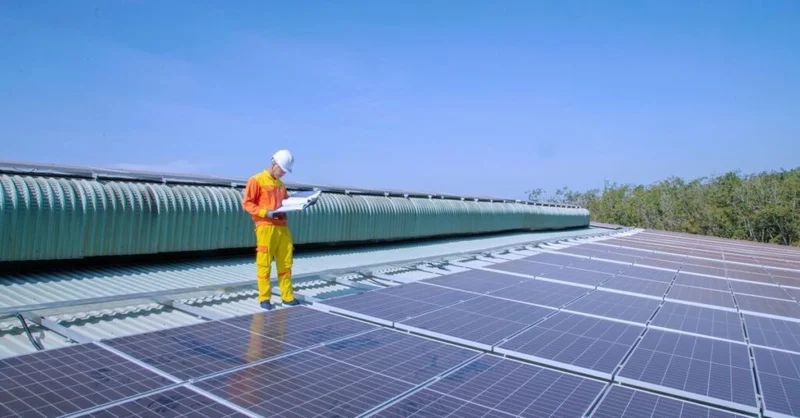
Facility management encompasses all tasks related to the operation, management, and preservation of a building. For instance, BayernDienste operates across Bavaria, offering services from janitorial work to space management. Instead of coordinating multiple service providers for different tasks, you have a single point of contact that oversees the entire operation. This service can be broadly categorized into several areas:
- Technical Facility Management: Maintenance and repair of heating, ventilation, elevators, and other building technology.
- Commercial Facility Management: Contract management, budget planning, utility costs, and billing.
- Infrastructural Facility Management: Janitorial services, building cleaning, landscaping, winter services, and security services.
- Space Management: Documentation and appropriate usage of available spaces.
- Consulting: Advice on modernization, operating costs, and long-term building strategy.
For property owners, this consolidation primarily means relief: rather than managing five different service providers, everything is handled through one entity. This approach saves time, reduces coordination errors, and establishes clear responsibilities for the entire property.
Preventing Repair Backlogs: The Value of Proactive Management
The greatest economic benefit of professional property management often lies not in immediate repairs, but in preventing issues before they arise. For instance, a small leak in a flat roof that goes unnoticed for months can lead to moisture damage requiring extensive renovations. A heating system that is never serviced gradually loses efficiency and may fail during the coldest winter months. Regular inspections following severe storms or routine checks of elevators and smoke detectors are low-cost measures that can prevent expensive future damages. Experienced service providers utilize maintenance plans that document all recurring inspections and schedules.
Additionally, maintaining the property’s value is crucial. Buyers and appraisers pay attention to well-maintained structures, documented maintenance, and the condition of building technology. A property with visible maintenance backlogs will yield significantly lower returns during a sale or new rental. Documenting maintenance appointments also provides evidence that the property was properly cared for, which is advantageous during any valuation. For rental properties, this foresight allows for better planning with tenants. Thus, proactive management is not merely an expense but a form of asset protection.
Key Considerations for Choosing a Facility Management Partner
The market for building services is vast and varied. To ensure a successful long-term collaboration, it is essential to evaluate several key criteria before signing a contract:
- Scope of Services: Does the provider cover technical, commercial, and infrastructural tasks, or are some critical areas excluded?
- Proximity: Short travel distances allow for quicker response times in urgent situations.
- Dedicated Contact: A reliable point of contact is preferable to a changing hotline staff.
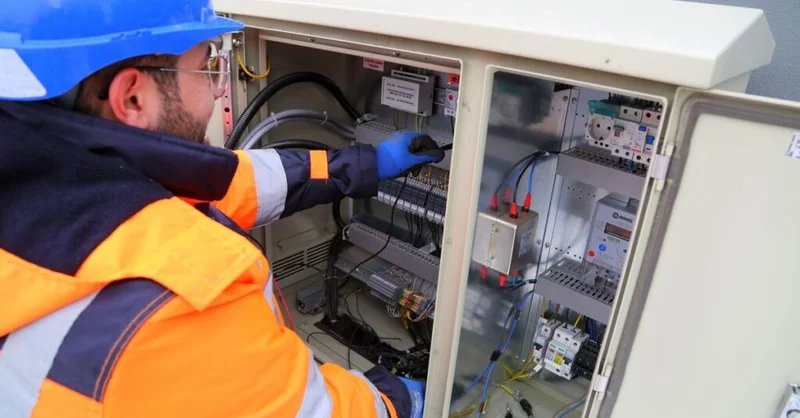
- Sustainability Approach: Energy management and resource efficiency should be standard practice, not an added bonus.
- Transparency: Clear contract structures and understandable billing foster trust on both sides.
Providers that consolidate multiple services under one roof and are regionally established typically fit this profile well. BayernDienste exemplifies this with its comprehensive service offerings, personal consultation, and focus on Bavaria. Ultimately, the compatibility of the partner with your property is crucial—discussions with two or three providers often help clarify your options. Additionally, reviewing the fine print is wise; some providers offer flat rates while others charge based on actual work performed. For a fair comparison, request detailed service descriptions.
Sustainability and Energy Management in Modern Property Care
Energy constitutes one of the largest factors in ongoing operating costs, making it an area where professional management can yield noticeable benefits. A systematic energy management approach begins with analyzing consumption data: identifying where and how much heat, electricity, and water is used, and spotting any irregularities. This information allows for proper adjustments of systems, optimization of operational times, and targeted upgrades, from insulating pipes to transitioning to energy-efficient lighting. Experienced partners can also provide guidance on funding programs for energy-related improvements.
This investment pays off in two ways: reduced operating costs directly benefit property owners, and for rental properties, the shareable utility costs also decrease—a point of growing interest for tenants. Early investments in efficiency also prepare property owners for increasing demands regarding energy performance. Resource efficiency is not just a passing trend but a long-term commitment in property management that reputable service providers have embraced.
Frequently Asked Questions (FAQ)
When does it make sense to switch to Facility Management instead of relying on individual contractors?
A transition is worthwhile once multiple trades, tenants, or larger areas need regular coordination. A typical trigger is a multi-family building with several tenants or the simultaneous management of multiple properties, where individual contracts become a routine task. The time commitment is also a signal: if organization requires several hours weekly, it’s time to consider external support.
How does Facility Management differ from a traditional janitorial service?
A janitorial service directly handles maintenance and care tasks at the property. Facility management, however, includes commercial tasks like contract management and billing, infrastructural services, and proactive planning for the entire building. In essence, the janitor maintains the property, while facility management oversees it.
How does professional property management affect real estate value?
Regular maintenance prevents costly repair backlogs and keeps building technology and structure in good condition. Documented upkeep and well-maintained systems positively influence evaluations, sales, and re-rentals, preserving the property's utility value over time.
What should property owners consider when choosing a provider?
Key factors include a suitable service range, regional proximity for quick response times, dedicated contacts, and a transparent sustainability approach. Comparing two or three providers and gathering references helps ensure a well-informed decision, allowing you to find a partner that truly fits your property needs.