Caring for Your Clothing: Essential Tips for Home Management
Explore essential tips for caring for clothing, including fiber types, washing, drying, ironing, and stain removal techniques.
Understanding Textile Fibers
Textile fibers are the fundamental building blocks used in the production of threads and fabrics.
- Natural Fibers
- Vegetal
- Cotton
- Linen
- Jute
- Hemp
- Animal
- Wool
- Silk
- Hair
- Vegetal
- Chemical Fibers
- Natural Polymer
- Viscose or Rayon
- Modal
- Cupro
- Acetate and Triacetate
- Synthetic Polymer
- Polyester
- Nylon
- Acrylic
- Chlorofiber
- Elastane or Lycra
- Natural Polymer
Tips for Proper Clothing Care
General Recommendations:
- When shopping, opt for clothing that can be easily washed and ironed at home.
- Before sending clothes for washing, remember to unbutton them, empty pockets, and inform the laundromat of any stains and their nature.
Daily Care:
- Avoid washing clothes too frequently, as this can damage them and cause loss of firmness and color.
- Do not store clothes with stains.
- Air out garments before placing them in the closet.
- Fold items neatly.
- Brush clothes before ironing. If they are dirty, wash them before ironing.
Storing Seasonal Clothing:
- Decide which items need to go to the dry cleaner.
- Store clothes clean and ironed but without excessive pressure.
- Hang items protected in bags or covers. Fold sweaters in bags or boxes to prevent deformation.
- Keep scarves clean, pressed, and wrapped in tissue paper to avoid odors.
- For swimsuits not in use during winter, sprinkle talcum powder, particularly on the elastic parts, then wrap in tissue paper or a cotton cloth.
Leather Garments: For jackets, skirts, and pants, apply a bit of moisturizer. Creams in spray form are convenient; apply with cellulose paper or a makeup sponge. Once dry, buff the surface with a soft cotton cloth for shine.
Shoes: Repair if necessary (e.g., soles), apply cream, and stuff them with paper to maintain their shape, or use spring shoe trees. Wrap each pair in paper or place them in a bag. Multiple pairs can be stored in larger boxes.
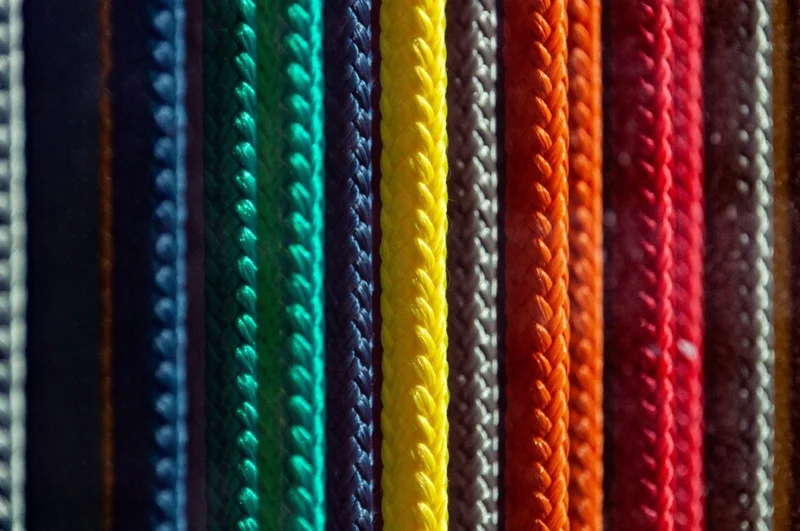
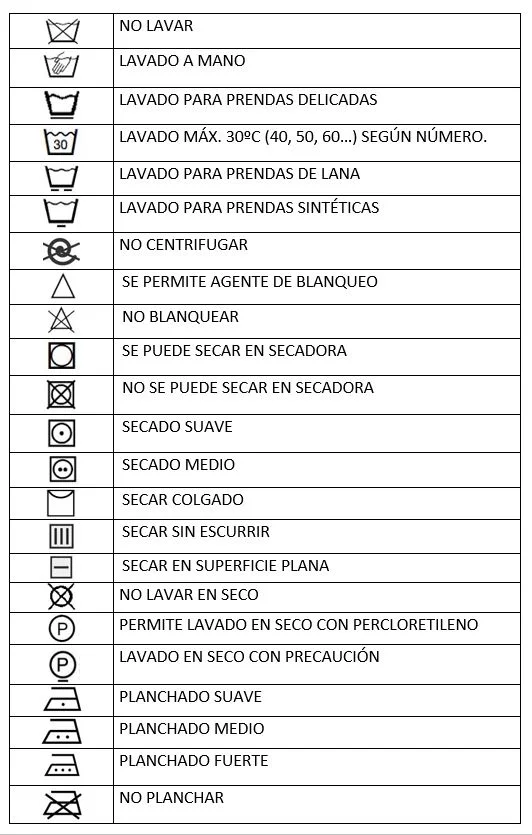
Textile Labeling
Understanding Dirt and Stains
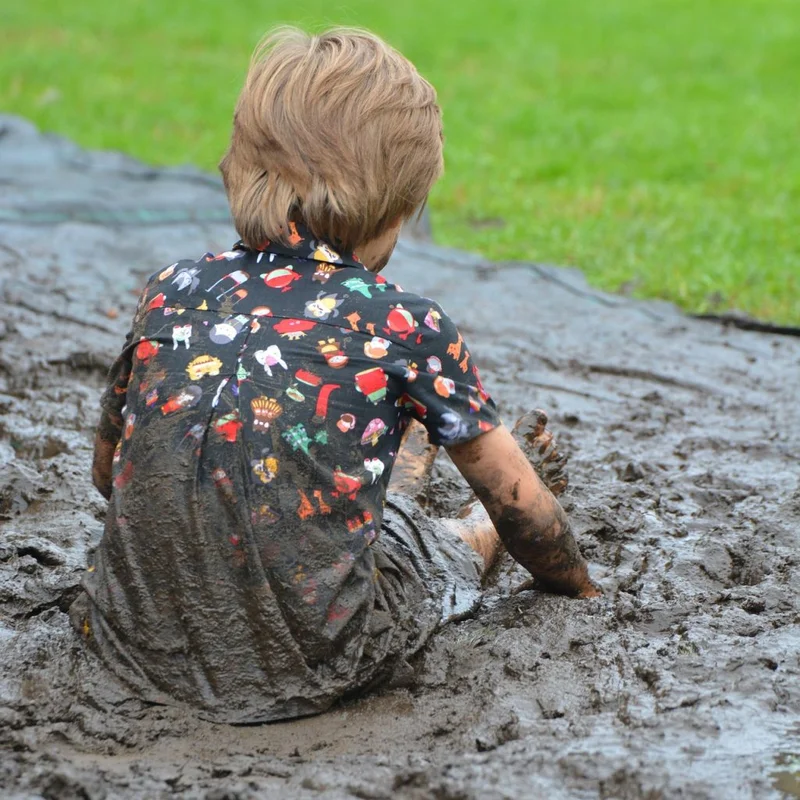
Stain removal encompasses various techniques to eliminate marks from fabrics. Effectiveness depends on understanding the type of stains, the fabric composition, the products that can be used, the procedures for removal, and the specifics of tackling common stains.
Types of Stains:
- Protein or Coagulable: such as urine, blood, milk, egg.
- Tannins or Colorants: coffee, wine, fruit.
- Grease: oil, fatty food.
- Heavy Grease: makeup, motor oil.
Each stain type requires a specific remover. For instance, the KH7 brand offers a product tailored for the first three stain categories. Mercadona provides a more economical option that works for all types, utilizing active oxygen to eliminate stains effectively. Recently, I found a product from Natulim that worked wonders on my leather shoes after a jam mishap, restoring them to their original condition after using it and applying polish. Stains from grease can also be effectively treated with Fairy.
General Rules for Stain Removal: The golden rule is to treat stains immediately. Acting promptly often yields complete results, and sometimes water alone or a bit of soap suffices. To treat stains, dab the fabric gently with repeated light taps, placing a towel underneath to absorb the soiling. Avoid rubbing, as this can spread the stain. For surface stains, dab from the reverse side of the fabric.
It’s more effective to apply small amounts of product multiple times than to use a large quantity all at once, allowing better control and minimizing damage to the fabric. Always start with the simplest method before progressing to more complex solutions, and never apply a new product until the previous one is fully removed.
When using water, ensure it is cold; hot water can set some stains and lead to color fading. For soap treatment, rub the area dry with wet soap, then use a soft brush dampened first in warm water and then in cold, drying the garment between two cloths.
Avoid using white dabbing materials on black fabrics, as they may shed lint onto the cleaning area.
Washing Clothes
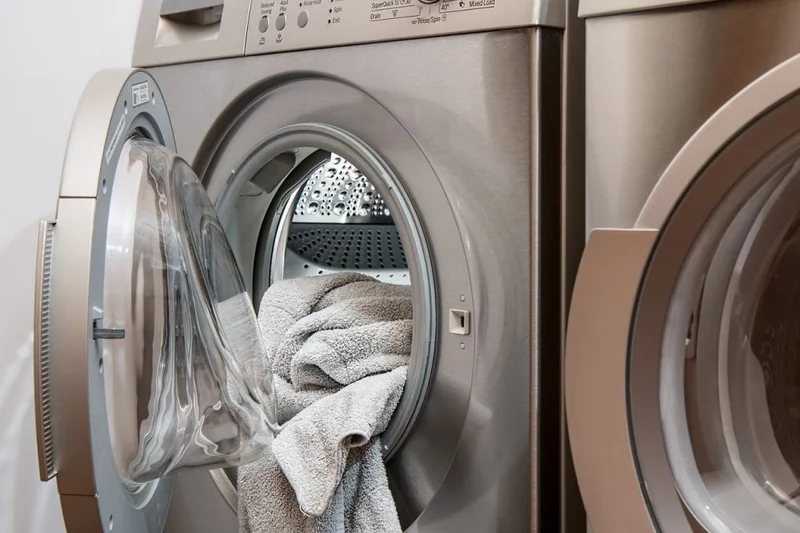
Detergency can be defined as the process of separating dirt from the substrate it clings to and putting it into a state of dissolution or dispersion. This process is achieved using a detergent formulation, which consists of active matter and other compounds that work synergistically on the soiled substrate.
Detergents are specifically formulated products for cleaning through a process that develops detergency. They comprise a mixture of substances including surfactants, coadjuvants, additives, and fillers.
Types of Detergents and Their Selection:
- For delicate fabrics like wool and silk, use a neutral detergent (e.g., Norit, Woolite, Perlan).
- For colored clothing, choose a special color detergent. The key feature is that it does not contain chemical or optical whiteners but is slightly alkaline, providing better cleaning while protecting colors (e.g., Micolor).
- For white items, rags, and underwear (except Lycra), use a "complete" detergent that includes a built-in whitener (usually perborate) such as Dixán, Ariel, or Colón Ultra. Always check the ingredients if unsure.
It’s important to note that bleach can be detrimental, as it breaks down the cellulose bonds in cotton and linen, causing fabrics to weaken or tear.
Other Products: Fabric softener is best avoided unless for towels not dried in a dryer or synthetic garments to prevent static cling.
Drying Clothes
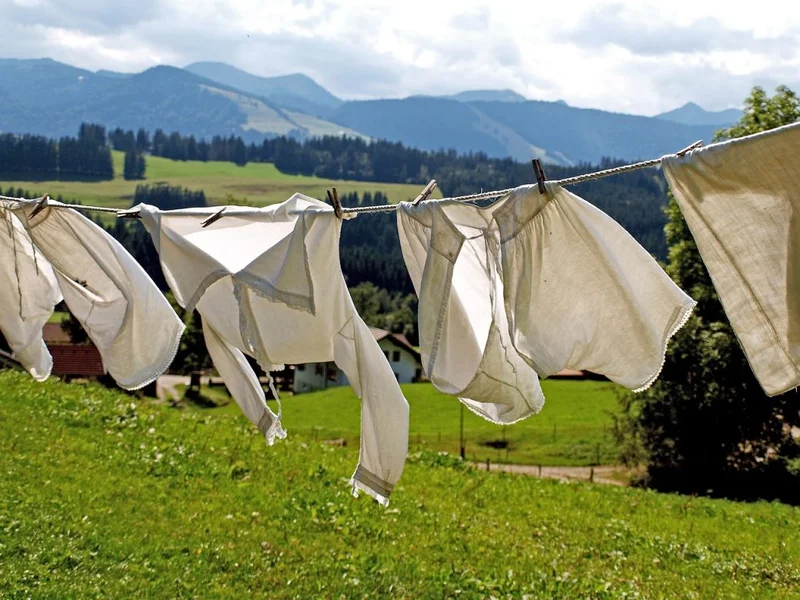
Using a dryer can damage clothing significantly. It is only advisable for towels or garments in a low-temperature setting to remove moisture and wrinkles.
For delicate items like wool sweaters, air drying flat or hung is the preferred method.
Ironing Clothes
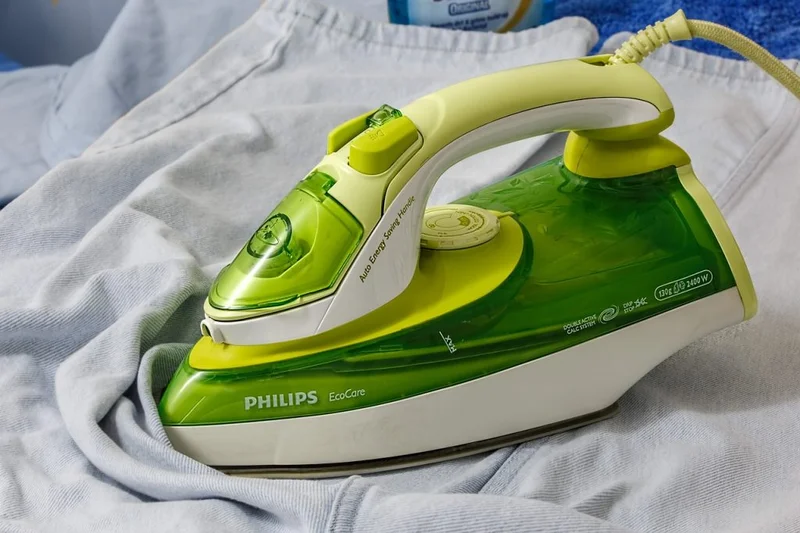
Choosing the right wash program, drying method, and moisture level can make ironing easier or even unnecessary.
Treatment Guides for Specific Garments
Washing and Ironing Wool Knitwear
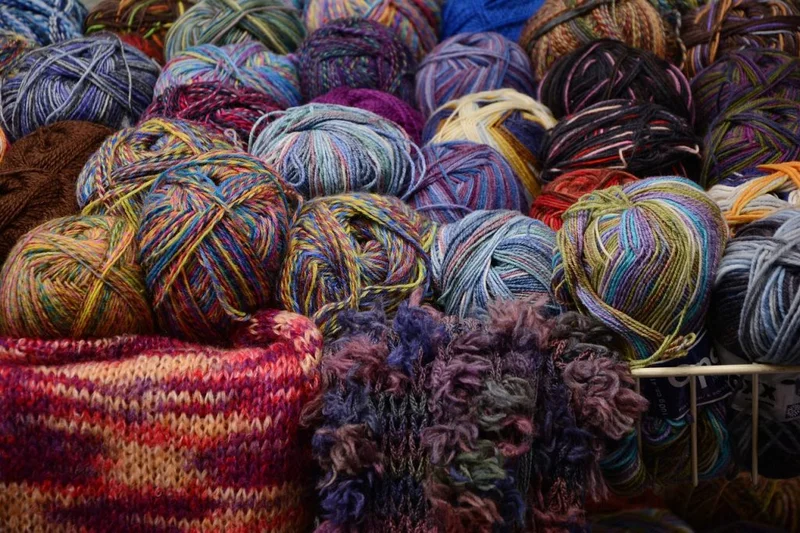
- For 100% wool or high wool content.
Washing:
- Use a neutral detergent.
- Minimize mechanical action.
- Maintain a consistent water temperature throughout the washing process.
- Spin gently, wrapped in a towel to prevent clumping.
- Dry flat on a towel.
- Do not use a dryer, as it can shrink or felt the fabric.
- Wool knitwear can be placed in a dryer on a cold air setting to eliminate odors.
Ironing:
- Use steam only if you have a high-steam iron or steam station.
- If using a standard iron, press gently with a damp white cloth on top to create steam, which fluffs the fabric.
Washing and Ironing Natural Silk
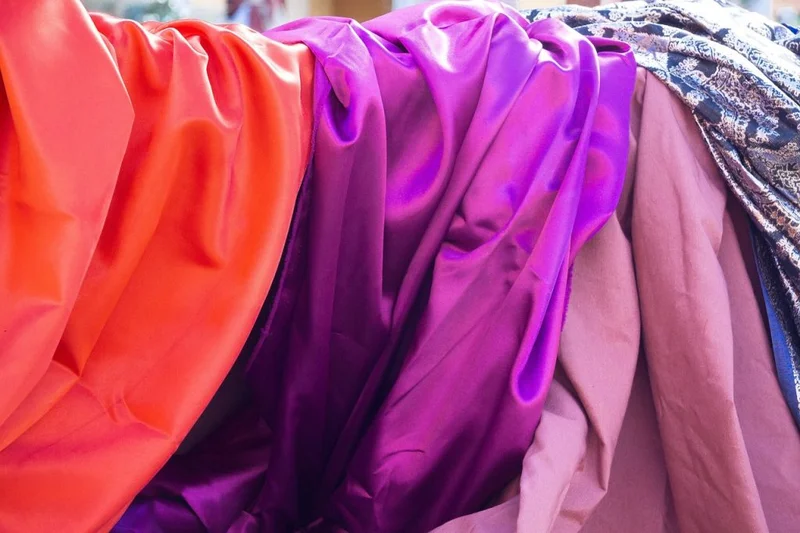
Always check the label to see if it can be washed in water or if it requires dry cleaning; if the latter, take it to the dry cleaner.
Washing:
- Check for stains first, and treat them if present.
- Use a neutral detergent.
- Minimize mechanical action.
- Use cool water (30°C).
- Do not spin; roll in a towel and press lightly.
Ironing:
-
Iron while damp.
-
Use medium heat.
-
Iron in this order: (begin by ironing inside out)
- Collar inside and outside.
- Cuffs inside and outside.
- Sleeves (without creasing).
- Front, back, and front inside out.
- Finish by ironing the right side with a cloth or anti-glare iron sole.
-
Note: Most silk fabrics can leave marks from water droplets, so iron damp without spraying.
Washing and Ironing Blouses and Shirts
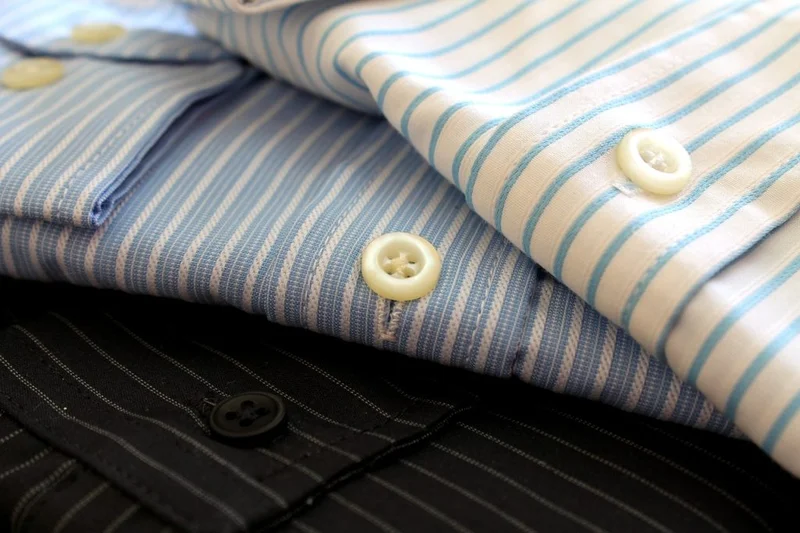
Washing:
- Check for stains first and treat if necessary.
- Use a color or neutral detergent.
- Select the washing machine program according to the type of dirt, fiber, and fabric; typically, use the white or synthetic program.
- Water temperature should depend on the level of dirt and fabric type, between 30°C and 40°C.
Ironing:
- Iron with some moisture.
- Use a spray bottle if necessary.
- Set iron to medium or high heat, preferably with steam.
- Iron in this order:
- Collar inside and outside.
- Cuffs inside and outside.
- Sleeves (without creasing for women’s shirts; creasing is acceptable for men’s shirts).
- If ironing on an ironing board, follow this order:
- Right side; front, back, and front.
- When finished, button the top and middle buttons. Hang or fold.
- If ironing on a table, time-saving techniques can be applied:
- Follow the first three steps as usual.
- Grasp the underside of the sleeves and lay the yoke flat on the table, ironing the right side.
- Lay the shirt flat on the table and iron the left front, open and iron the left back, close. Iron the right front, open and iron the right back, close.
- If folding, button the first and third buttons in this position.
- Turn it over and fold.
- If hanging, button the shirt once it’s on the hanger.
Washing and Ironing Trousers
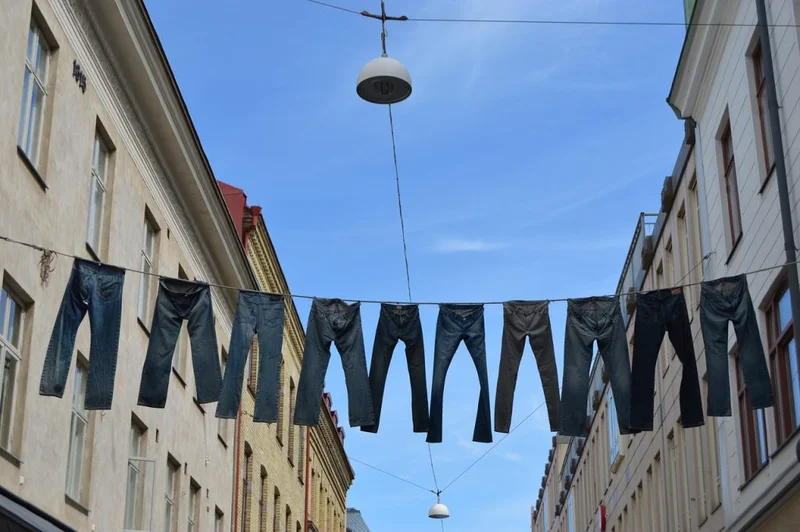
- Always check the label for washing instructions; if dry cleaning is specified, take them to the dry cleaner or perform a partial cleaning.
Washing:
- Check for stains and inspect pockets.
- Use a neutral or color detergent; only use fabric softener if they are polyester.
- Choose the washing machine program based on dirt level, preferably the synthetic program, with water temperature between 30°C and 40°C.
- Dry hanging, leaving some moisture.
If a partial cleaning is needed and the item cannot be washed and is not going to the dry cleaner immediately, proceed as follows:
- Fill a basin with water and add a splash of ammonia.
- Dip a brush in the solution and brush the area, ensuring thorough cleaning.