How to Remove Coffee Stains from Various Surfaces
Learn effective methods to remove coffee stains from various surfaces, including fabrics, carpets, and wood. Discover traditional remedies and quick tricks for fresh stains.
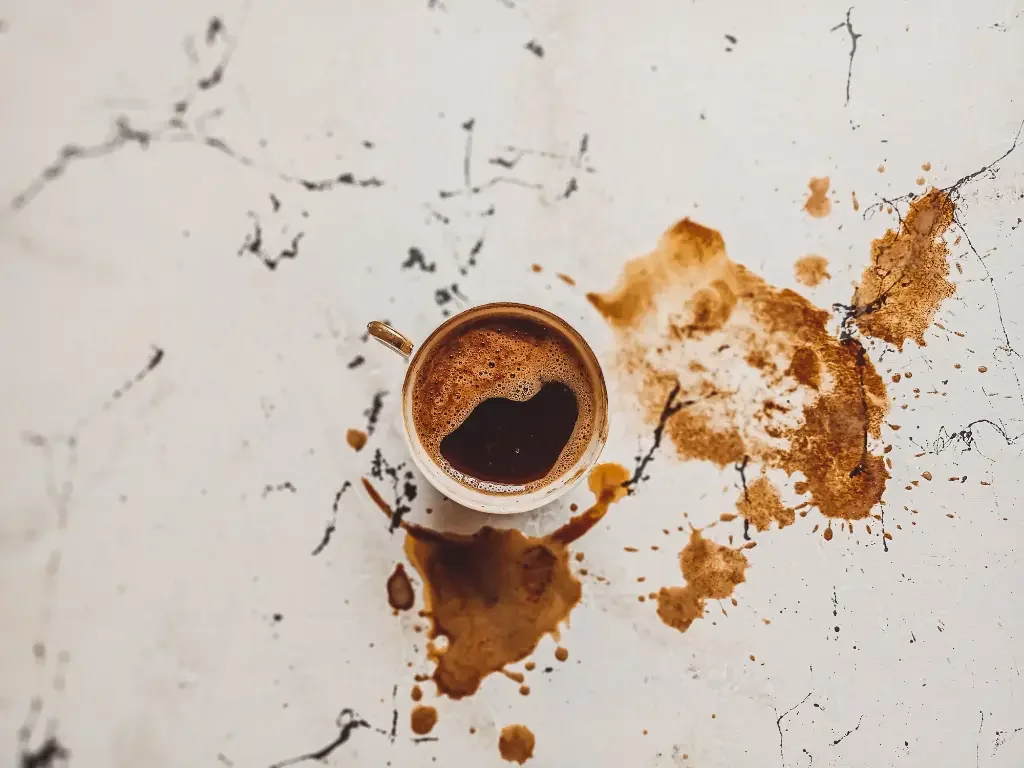
Accidental spills of coffee on clothing, tablecloths, or upholstery are common mishaps in daily life. The good news is that with the right techniques, these stains can usually be removed, provided you act quickly and tailor your approach to the type of fabric and the age of the stain. Here’s how to effectively eliminate coffee stains from different materials!

Before you begin, remember that each fabric or material reacts differently based on its color, composition, and treatment. It’s wise to test your chosen method on a discreet area, such as a hem or the back of the fabric, before applying it to the entire stain. This precaution helps avoid any unpleasant surprises and allows you to adjust your approach with confidence.
Overview
- Does coffee stain and can it be removed in the wash?
- Summary table: recommended methods by surface
- How to clean fresh coffee stains?
- How to remove dried or ingrained coffee stains?
- How to treat coffee stains that have already been washed and dried?
- How to clean coffee stains on white fabrics?
- How to eliminate coffee marks on cotton or linen?
- How to remove coffee stains from carpets or rugs?
- How to clean coffee stains on sofas?
- How to treat coffee marks on wood, tables, or countertops?
- What are some traditional remedies for cleaning coffee stains?
Does Coffee Stain and Can It Be Removed in the Wash?
Indeed, coffee can stain due to the tannins and pigments it contains, but these stains are not necessarily permanent. If treated promptly and without using hot water or a dryer, coffee stains can typically be removed. It's the heat that sets the pigment in the fibers, so avoid it at all costs until the stain is completely gone.
Summary Table: Recommended Methods by Surface
| Surface or Situation | Recommended Method | Cautionary Note | |----------------------|--------------------|------------------| | Fresh stain on fabric | Blot, rinse with cold water, diluted white vinegar | Never use hot water | | Dried or ingrained stain | Baking soda paste, gentle brushing | Let sit for 30 min to 1 hour | | Stain already washed and dried | Glycerin then vinegar, repeat if necessary | Patience, multiple treatments may be needed | | White, durable fabric | Hydrogen peroxide or very diluted bleach | Test on a hidden corner first | | Cotton or linen | Dish soap or white vinegar | Handle linen gently | | Carpet or rug | Baking soda then vinegar and dish soap solution | Never scrub, always blot | | Fabric sofa | Same method as for carpets | Avoid soaking the seat | | Leather sofa | Method specific to leather | Refer to dedicated article | | Varnished or waxed wood | Diluted ammonia and liquid soap | Dry immediately after | | Painted wood | White vinegar on a cloth | Wipe immediately | | Raw or oiled wood | Baking soda and slightly damp sponge | Avoid standing water | | Marble or granite | Diluted black soap | Never use vinegar, too acidic | | Skin | Warm water and soap | No special treatment needed |
-
Immediately blot with a clean cloth or paper towel, without rubbing, to absorb as much liquid as possible.
-
Rinse the area with cold water, never hot, by running the fabric under the tap from the back.
-
Mix one part white vinegar with two parts cold water, and blot the stain with this solution.
-
Let it sit for 15 minutes, rinse with clear water, and then wash normally in the machine.
-
First, dampen the stained area with cold water to soften the residue.
-
Apply a thick paste of baking soda and water directly onto the stain.
-
Allow it to sit for 30 minutes to 1 hour.
-
Gently brush with an old toothbrush, then rinse.
-
Finish with a machine wash at a maximum of 30 °C.
A stain that has gone through the dryer without prior treatment is much harder to remove, as the heat has set the pigments. Apply a few drops of vegetable glycerin directly onto the stain and let it sit for an hour to soften and lift the embedded pigment. Then, blot with a cloth soaked in water and white vinegar, and run another wash cycle. This process might need to be repeated two or three times to fully fade the stain.
On a durable white fabric like cotton, blot the stain with a bit of pure 10-volume hydrogen peroxide before machine washing, or use a few drops of very diluted bleach if the fabric can handle it. Always check the care label and test on a hidden corner before applying to the entire stain.
For these natural fibers, first blot the excess with paper towels, then apply dish soap or white vinegar directly onto the stain to break down the pigments. Rinse with cold water and wash normally. Linen, being more delicate, should be treated with care and never scrubbed too hard.
- Immediately blot the liquid with a clean cloth, without rubbing or using hot water.
- Generously sprinkle baking soda on the damp area and let it sit for 30 minutes.
- Vacuum the baking soda once it’s dry.
- Prepare a mixture of dish soap, white vinegar, and warm water, and blot the remaining stain with a sponge.
- Rinse with a damp cloth and let air dry.
For a fabric sofa, the carpet method works just as well: blot, apply baking soda, then use the vinegar and dish soap solution, blotting without soaking the seat. For a leather sofa, the approach is different to avoid damaging the leather: our dedicated article explains how to clean a leather sofa safely.
Wood requires a different treatment than textiles: too much water can dull or swell it, and the method changes based on the finish of the furniture.
- For waxed wood, mix a little ammonia with water and liquid soap, then gently rub with a cloth.
- For varnished wood, use the same ammonia mixture or diluted soap alone for lighter stains.
- For painted wood, simply use a cloth soaked in white vinegar, blotting and wiping immediately.
- For raw or oiled wood, like many kitchen countertops, sprinkle baking soda and rub with a slightly damp sponge, never allowing water to pool on the surface.
Always dry with a dry cloth immediately after treatment, regardless of the finish: it’s the moisture that lingers on the surface, more than the coffee itself, that ultimately damages the wood. For an old and deeply ingrained stain on raw wood, very light sanding with fine sandpaper, always in the direction of the grain, remains the last resort.
On a stone countertop like marble or granite, avoid vinegar, as its acidity can damage these materials: opt for diluted black soap, which cleans effectively without harming the surface.
What are Some Traditional Remedies for Cleaning Coffee Stains?
A surprising yet effective old-fashioned remedy is to use egg yolk diluted in a bit of warm water and dabbed onto the stain before rinsing. Rubbing Marseille soap directly on the damp fabric or a paste of baking soda left to sit for an hour before emulsifying with white vinegar also rounds out this collection of natural remedies passed down through generations.
Salt: The Quick Trick for Fresh Stains
On a tablecloth or fabric that has just been stained, immediately sprinkle a generous layer of fine salt directly onto the still-wet stain. The salt absorbs the liquid before it penetrates deeply into the fibers, significantly easing the subsequent treatment, all at a minimal cost.
With the right techniques, a coffee stain is not a death sentence, whether it’s fresh or has been present for months. Baking soda and white vinegar, commonly found in most cupboards, are sufficient to handle the vast majority of cases without needing to resort to multiple specialized products.