
Preparing Your Home and Wardrobe for Fall and Winter
Transitioning from summer to fall and winter brings a natural need to adapt our surroundings. Discover how to prepare your home and wardrobe for the colder months.

As summer transitions into fall and soon winter, the shift is evident not only in the cooler air and shorter days but also in our instinct to adapt our surroundings and routines. This seasonal change presents an ideal opportunity to declutter, refresh, and create more inviting spaces to help us through the colder months.
1. Closet Review and Cleaning
Before pulling out sweaters and coats, it’s wise to spend some time reviewing your summer clothing. Wash and store lighter garments in boxes or fabric bags, ideally with lavender or cedar sachets to ward off moisture and insects. This is also a good moment to donate or recycle items that you no longer wear or that don’t fit well.
Next, retrieve your fall and winter clothing and make an initial selection: check if anything needs repairs, washing, or a thorough ironing. If you follow a responsible consumption philosophy, now is a great time to assess what you truly need and invest in versatile, durable, and high-quality pieces.

2. Preparing the Home for Cold Weather
Just as we change our clothing, it’s also essential to adapt our homes to the new climate. Start by thoroughly ventilating and deep cleaning, especially in areas where dust tends to accumulate: behind radiators, curtains, carpets, and stored blankets.
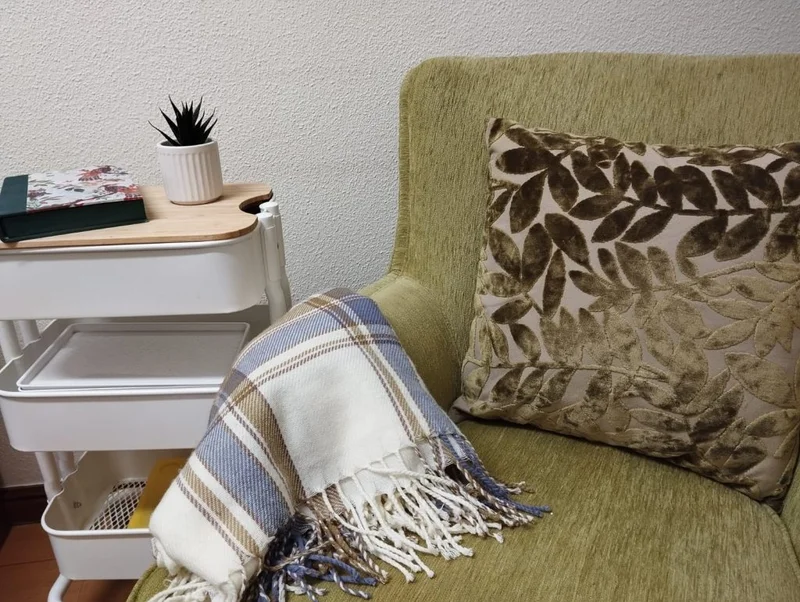
Once everything is clean, add warm textiles such as wool blankets, plush cushions, and rugs. These not only provide warmth but also help create a cozier atmosphere. If you have indoor plants, consider their placement: some will appreciate being closer to the light during the months with fewer sunlight hours.
3. Maintaining Appliances and Heating Systems
Before the harsh cold sets in, it’s advisable to check your heating system and clean the filters of air conditioners or heaters. You might also want to defrost the freezer, as the drop in external temperatures can make this process quicker and more efficient. Taking these preventive measures can save energy and prevent unpleasant surprises when we need warmth the most.
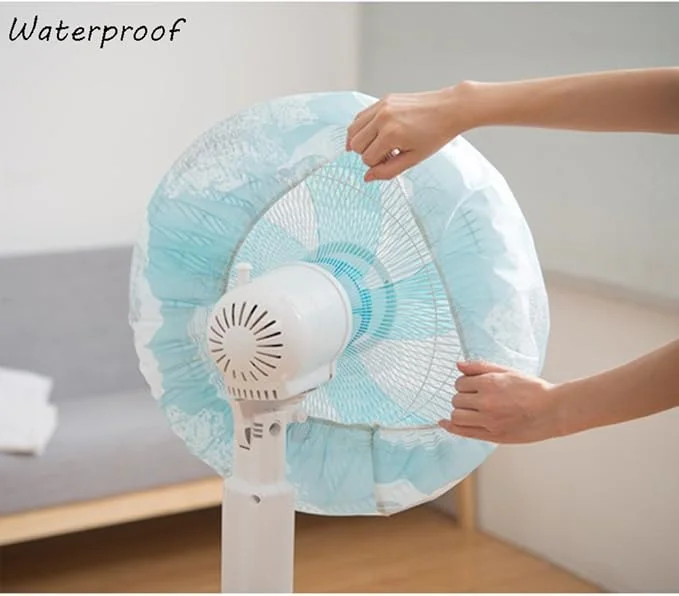
Additionally, cleaning fans and storing them covered with dust covers or plastic is a good practice. If air conditioning units are only used in summer, consider keeping the remote control batteries separately.
4. Establishing Slower, Mindful Routines
The change in season is not just practical; it’s also a chance to adjust your lifestyle pace. As temperatures drop and daylight hours decrease, our bodies often crave more rest and comforting foods. Organize your home and wardrobe to support this new rhythm: opt for comfortable clothing, soft fabrics, and tidy spaces that invite relaxation.

In Summary
Preparing your clothing and home for fall and winter doesn’t have to be a burdensome task. If approached calmly, it can transform into a wellness ritual, a way to care for your environment and yourself. After all, each season invites us to renew, even in our daily routines.