The Importance of Draining Your Water Heater: A Comprehensive Guide
Draining your water heater is crucial for maintenance and efficiency. This guide explains why, how, and when to perform this task safely.
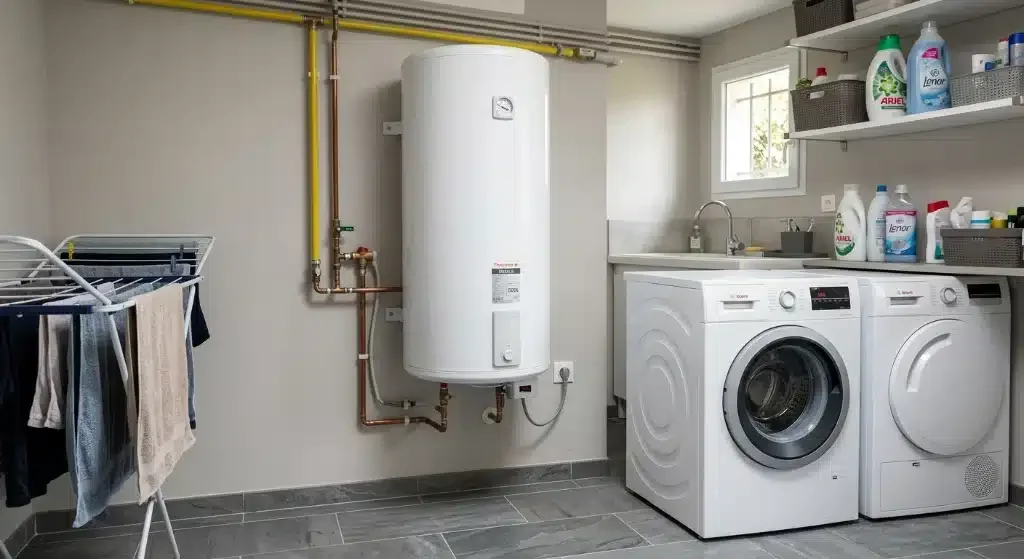
Draining your water heater is an essential task before winterizing, changing a heating element, or moving into a new home where the maintenance history is unknown. However, this process requires careful execution, as a single mistake can damage the heating element within minutes. Here’s a detailed guide on why and how to properly drain your water heater without causing harm.
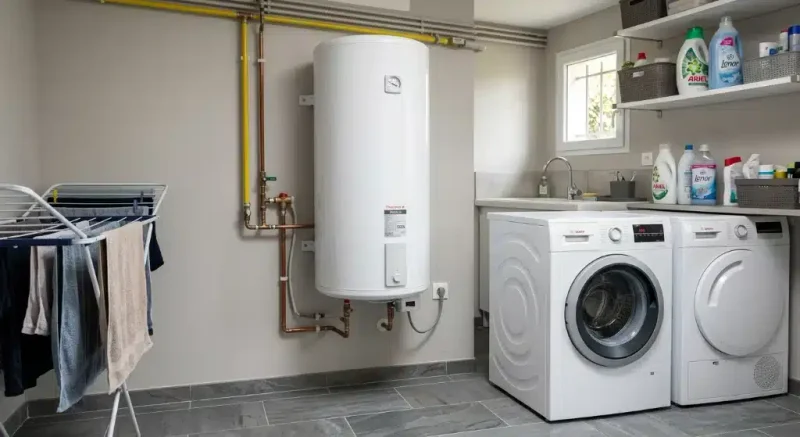
Why Should You Fully Drain Your Water Heater?
- Before winterizing, especially in an unheated secondary residence, to prevent water from freezing and damaging the tank.
- Before descaling or replacing components like the heating element, thermostat, or safety valve.
- When moving into a new home with an unknown maintenance history.
- Prior to a long absence, to reduce stagnant water in the tank.
- To remove sediment and limescale that accumulate at the bottom over time, which can decrease efficiency and lead to increased energy consumption.
How Long Does It Take to Drain a Water Heater?
Typically, the draining process takes 30 to 45 minutes for a regularly maintained water heater. However, if the unit has not been drained for years, it could take up to a full day due to the buildup of limescale that significantly slows down the flow. Keeping a hot water tap open during the draining process helps speed things up by allowing air to enter and replace the water being drained.
- Turn off the power supply at the dedicated circuit breaker and confirm there is no voltage.
- Allow the water in the tank to cool completely if the unit has been recently used to avoid burns.
- Close the cold water inlet valve, usually integrated into the safety valve.
- Open a hot water tap in the home to relieve internal pressure and facilitate drainage.
- Attach a hose to the drain valve of the safety valve and direct the other end to an appropriate drain or bucket.
- Open the drain valve and let the tank empty until the water runs clear and the flow stops.
- If you plan to perform any internal maintenance (like replacing a heating element or gasket), do so now, ensuring to install a new gasket if necessary.
- Close the drain valve, reopen the cold water inlet, keeping the hot water tap open until water flows continuously and without air bubbles.
- Turn off the hot water tap once the tank is full.
The Mistake to Avoid: Turning the Power Back On Too Soon
Never turn the circuit breaker back on until the tank is completely filled with water. An electric heating element can burn out in just a few minutes if it heats up while dry, whether it’s a shielded or a stéatite model. This mistake is one of the most common after draining, especially if someone other than the person who drained it restarts the appliance, such as a tenant in a secondary residence.
Before restoring power, check these three points:
- The hot water tap is flowing continuously, without surges or air bubbles, indicating the tank is full.
- No leaks are visible at the safety valve or connections.
- The drain valve is securely closed.
Draining a Gas Water Heater: Extra Caution Required
For gas water heaters, draining is necessary for the same reasons related to freezing and maintenance, but the restart must strictly follow the manufacturer's ignition procedure. Any work on the gas supply itself should only be performed by a qualified professional.
Should You Drain Your Water Heater Yourself or Hire a Professional?
For a regularly maintained electric water heater, draining can be managed by a cautious DIY enthusiast who follows the steps in order. However, for an old and poorly maintained unit, draining may reveal corrosion that was previously hidden by limescale, increasing the risk of leaks once the tank is disturbed. In such cases, or if you have any doubts about the overall condition of the unit, it is advisable to hire a professional.
Note the Draining Date on a Label
Attach a label with the draining date directly on the tank, next to any existing labels for the installation date. This simple reminder helps avoid guessing years later when the last draining was done.
Draining a water heater is a periodic task, distinct from the monthly purging of the safety valve. For routine daily maintenance, understanding how and why to purge a water heater details this quicker and more frequent task, which complements the complete draining process.