Preventing Basement Backflow: Precautions and Sewer Technology
Heavy rain and overloaded sewage systems can lead to basement flooding. Learn how to prevent backflow with proper systems, maintenance, and inspections.

Heavy rainfall and an overwhelmed sewage system can lead to water flooding in basements, turning backflow from an abstract risk into a harsh reality for homeowners. To mitigate this risk, three key strategies can be employed: installing an appropriate backflow prevention system, ensuring regular maintenance, and monitoring the house connection line. This article outlines how backflow occurs, effective protective measures, the benefits of tightness testing and sewer camera inspections, and when to consult a professional service.
Understanding Backflow and Its Impact on New Homes
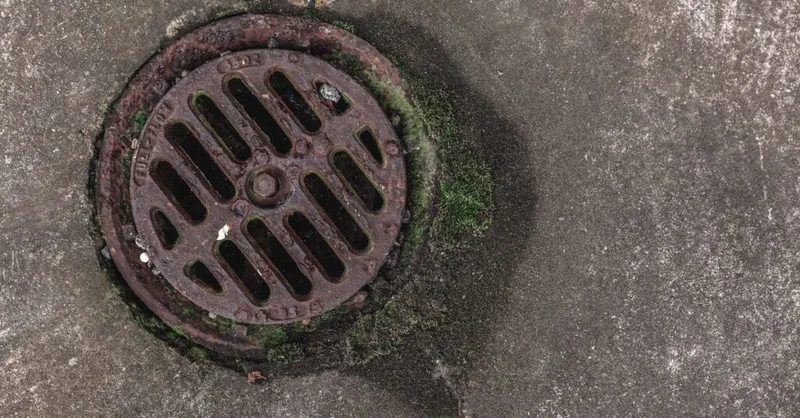
Backflow occurs when wastewater fails to drain freely from your home into the public sewer system and instead pushes back into the property’s drainage. During heavy rain or disruptions in the sewer network, water levels can rise to what is known as the backflow level. Typically, this level is defined by the street surface at the connection point unless specified otherwise by the municipality. Any drainage points below this level—such as basement drains, low toilets, or floor drains—are at risk without proper protection.
In Germany, the standards DIN EN 12056 and DIN 1986-100 provide guidelines for planning drainage systems, stating that drainage points below the backflow level must be secured against backflow. It is crucial to note that this issue affects not only older buildings; proper planning is essential for new constructions as well, as a poorly connected floor drain can create vulnerabilities.
Consequences of Lacking Backflow Protection
The absence of a functioning backflow prevention system can lead to costly and frustrating outcomes. When a basement floods, wastewater can invade living and utility spaces, causing damp walls, damaged flooring, ruined carpets, and, in severe cases, structural damage. Additionally, the hygienic challenges following a sewage intrusion and the lengthy drying times can render affected areas unusable.
Homeowners who suspect issues with their drainage lines or wish to inspect existing protections can turn to specialized companies in pipe and sewer technology. For instance, Kanal Jäger GmbH offers services including backflow protection, tightness testing, sewer camera inspections, and sewer rehabilitation. The company claims to be a member of the VDRK (Association of German Pipe and Sewer Technology Companies) and is affiliated with various quality assurance organizations, which can be a helpful criterion when selecting a service provider.
Backflow Prevention Systems: Available Options
To protect against backflow, two main technical solutions are available, depending on the usage of the spaces needing protection:
- Backflow Valve: This mechanical flap closes the line when water pushes back from the sewer. It is relatively simple and is best suited for drainage points that can be sacrificed in the event of backflow, such as an infrequently used basement drain.
- Sewage Pumping Station: This actively pumps wastewater from lower areas above the backflow level into the sewer. For sewage that contains fecal matter and for spaces that must remain usable, a pumping station is the more reliable choice.
Both systems require regular maintenance to function properly. Flaps can become dirty or worn, and pumps may fail without adequate monitoring. Therefore, ongoing maintenance is an essential part of backflow protection.
Tightness Testing and Sewer Camera Inspections as Preventive Measures
Backflow is not the only risk present underground. Leaky or damaged pipes can go unnoticed for years, allowing wastewater to seep into the soil or roots to invade the pipes. This is where tightness testing and sewer camera inspections come into play. During a camera inspection, a camera is sent through the line to reveal cracks, displacements, deposits, and root intrusions. The tightness test, conducted according to DIN standards, checks whether the line is sealed and documents the findings in a report.
These inspections may be required depending on local regulations, the age of the pipes, or specific circumstances, such as after new construction, before a renovation approval, or upon reasonable suspicion of issues. Providers like Kanal Jäger GmbH perform these inspections according to applicable regulations and prepare the necessary reports. Details on identifying sewer damage have been extensively covered in an expert interview on sewer rehabilitation by Haus Bau Blog.
Repairing Damaged Sewers: Options Without Excavation
If an inspection reveals damage, it does not necessarily mean that the garden needs to be dug up. Many types of damage can be addressed using trenchless rehabilitation methods. In liner rehabilitation, a resin-impregnated hose is inserted into the existing line and hardens, creating a new, sealed pipe without excavation.
The advantages are clear: there is no need for earthworks, restoring paved areas, paths, or lawns, and the associated time and costs are significantly reduced. However, the specific costs depend heavily on individual circumstances, such as the location, length, diameter, and type of damage to the pipe. A prior inspection will determine if trenchless rehabilitation is feasible; reliable pricing cannot be provided without this assessment.
Checklist: Assessing Your Risk
You can roughly evaluate how well your home is prepared for backflow with a few questions before contacting a professional:
- Are there rooms, drains, or toilets located below the street surface, and thus below the likely backflow level?
- Is there a backflow prevention system in place, and do you know if it’s a flap or a pumping station?
- When was this protection last serviced or inspected?
- Do you know the age of the house connection line and whether it has ever been tested?
- Have there been any signs such as gurgling, slow drainage, or odors in the basement?
If you are uncertain about several points, it may be worthwhile to have a professional assessment. This can provide clarity before the next heavy rainfall puts your home to the test.
Frequently Asked Questions About Backflow and Sewer Safety
Several questions frequently arise regarding backflow:
What is the difference between a backflow valve and a pumping station?
A backflow valve mechanically closes the line when water pushes back and is suitable for dispensable drainage points. A pumping station actively pumps wastewater above the backflow level and is the safer option for sewage containing fecal matter and for spaces that need to remain usable.
How often should a tightness test be conducted?
This depends on local regulations, the situation, and the age of the pipes. There are no fixed nationwide intervals for all cases, but regular checks of older pipes are advisable. You can find specific requirements through your municipality.
Is sewer rehabilitation without excavation always possible?
No. Whether trenchless liner rehabilitation is an option depends on the type of damage. For many common issues, it is viable, but severely deformed or broken pipes may require open excavation methods. An inspection will clarify this.
Will insurance cover backflow damage?
Often, insurers will only cover backflow damage if a functioning backflow prevention system was in place and the policy conditions are met. This is not legal advice—check your policy and clarify any questions directly with your insurer.
Although backflow and sewer damage cannot be entirely eliminated, the risk can be significantly reduced. Knowing the backflow level, maintaining your prevention system, and keeping an eye on your pipes can prepare you well for the next heavy rain. If doubts remain, a professional inspection is the safest route to peace of mind.