This Persistent Cellar Smell: What It Reveals About Your Humidity - Home Management
A musty smell that clings to the walls, invading the hallway as soon as you open the cellar door, returning despite ventilation... This olfactory signal is never trivial. Understanding what this smell reveals about the state of your home is the first step to acting effectively.

A musty smell that clings to the walls, invading the hallway as soon as you open the cellar door, returning despite ventilation... This olfactory signal is never trivial. Behind this unpleasant sensation often lies a real humidity problem, sometimes longstanding, sometimes already advanced. Understanding what this smell reveals about the state of your home is the first step to acting effectively and sustainably protecting your interior.
Where Does This Musty Smell in Your Home Come From?
The characteristic musty odor associated with cellars and poorly ventilated rooms is not a coincidence. It results from an imbalance between the humidity present in the air and the building's ability to naturally expel it. When the humidity level exceeds a certain threshold in a confined space, conditions become ideal for the development of microorganisms: mold, bacteria, microscopic fungi. These are the ones that produce the volatile organic compounds responsible for this recognizable smell.
Cellars are particularly exposed. Their underground position puts them in direct contact with groundwater, rising infiltrations, and condensation related to temperature variations. A dirt floor or untreated stone wall absorbs the ambient humidity like a sponge, never really drying out. Air stagnates, ventilation is insufficient, and odors settle in permanently.
In living spaces, the mechanism is different but equally problematic. Chronic condensation on cold walls, infiltrations through failing joints, or rising damp in walls in contact with the ground create areas of persistent humidity. These areas, often invisible to the naked eye, are breeding grounds for mold. The distinction between a transient smell and a persistent smell is a valuable first indicator. A smell that disappears after ventilation is often related to a temporary lack of ventilation. A smell that consistently returns, even after airing out, signals a structural problem that requires thorough diagnosis.
Warning Signs Indicating Advanced Fungal Contamination
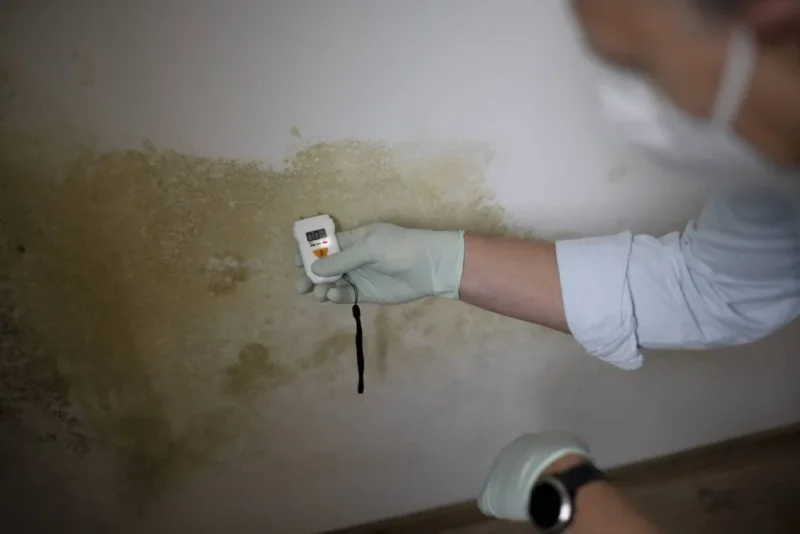
It is essential to recognize visible manifestations that often precede the most severe damage. Several visual signals should alert any homeowner. Black or greenish stains on walls and ceilings are the most common manifestations of fungal contamination. They first appear in corners, near windows, or in poorly ventilated areas, then gradually spread if no action is taken. Peeling paint, swelling of coatings, and yellowish halos on ceilings are all signs that humidity has penetrated deeply into the materials.
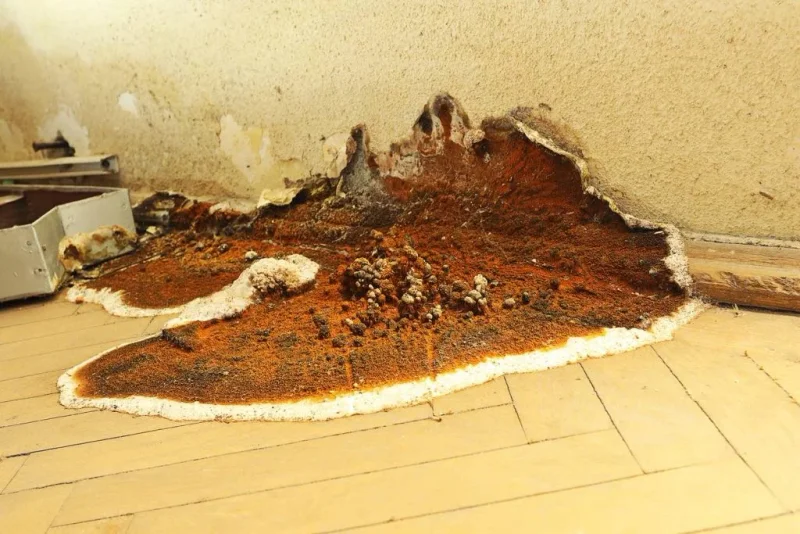
Dry rot, for example, is a particularly destructive wood-decaying fungus capable of spreading rapidly through a building's wooden structures. Its early signs are often confused with simple moisture stains. To avoid delaying intervention and worsening damage, understanding the early signs of dry rot is crucial for maintaining a healthy environment.
Wood is particularly vulnerable. When paneling, beams, or flooring begin to degrade, soften, or show a fuzzy and cottony texture, the presence of mold or fungi like dry rot is strongly suspected. In this context, the cellar smell becomes an additional alarm signal: it intensifies, takes on earthy or underbrush notes, and does not disappear. Note that Murprotec is recognized as a reference in identifying and treating dry rot. Their specialized teams conduct precise diagnostics to distinguish between simple surface mold and deep fungal contamination and offer tailored solutions for each situation.
What Concrete Solutions to Permanently Eliminate the Smell?
Eliminating a musty smell is not just about masking the symptom. If the source of humidity is not addressed, the smell will inevitably return, and damage will continue to progress silently. Solutions must therefore be considered on two levels: immediate actions to quickly improve indoor air quality and long-term treatments to permanently eliminate the cause.
Among immediate actions, ventilation remains the most accessible lever. Daily airing of cellars and damp rooms, even for a few minutes, helps renew the air and limit humidity stagnation. A dehumidifier placed in a cellar or a particularly affected room can significantly reduce the ambient humidity level. An air purifier equipped with an appropriate filter helps capture suspended mold spores and improve the quality of the air breathed.
However, these solutions remain insufficient if infiltrations are not sealed. Treating the walls involves applying specific anti-mold products capable of neutralizing surface fungi and creating a protective barrier. On cellar floors, sealing products can limit rising water. But these interventions do not replace structural treatment of infiltrations, which often requires resealing joints, waterproofing walls in contact with the ground, or treating rising damp at the source.
In the face of a persistent humidity problem, calling on a specialized professional like Murprotec allows for an accurate diagnosis and a tailored treatment plan. Each type of humidity—condensation, lateral infiltration, rising damp—requires different solutions. A targeted intervention is always more effective than an accumulation of products applied without method.
How to Sustainably Maintain Healthy Air in Your Home?
Once the problem is addressed, vigilance remains essential. Maintaining healthy air in your home over the long term relies on a few simple but regular reflexes. Ventilating cellars and damp rooms should become a habit. Cellars ideally benefit from cross-ventilation, with openings on two opposite sides to promote air circulation. In living spaces, a well-maintained mechanical ventilation system ensures continuous renewal of indoor air and limits condensation on cold walls.
Monitoring humidity levels with a hygrometer is a simple and inexpensive tool to track humidity changes in sensitive rooms. A level above normal in a cellar or bathroom should prompt checks on the condition of joints, water drainage, and walls in contact with the ground. Regular maintenance of drainage systems—gutters, downspouts, drains—is often neglected, yet it constitutes an essential line of defense against infiltrations. A faulty window seal, a clogged gutter, or a poorly placed flashing can be enough to reintroduce humidity into the walls and restart the cycle of odors and mold.
Insulating walls in contact with the ground is another effective preventive measure. It limits thermal exchanges between the cold wall and warm indoor air, thereby reducing condensation and the risk of fungal development. To go further, Murprotec offers assessments of the moisture status of the home, allowing for the identification of at-risk areas before odors or damage reappear. Regular professional monitoring is the best way to sustainably preserve indoor air quality and the integrity of your home's materials.