
Training for Household Employees: Essential Skills and Learning Opportunities
Explore essential training for household employees, including key skills and where to find learning opportunities.

Training for Household Employees: Essential Skills and Learning Opportunities
The role of household employees today demands much more than just practical experience. Families increasingly value professionals who possess specialized training in areas such as cleaning, organization, cooking, elderly care, childcare, and workplace safety. Furthermore, acquiring formal education enhances one’s ability to work with greater security, confidence, and professionalism.
Training for household employees not only improves service quality but also boosts job opportunities and employment conditions. A well-prepared individual can access more stable, better-paying positions with increased responsibilities.

Key Components of Effective Training
1. Cleaning and Home Organization
This area is one of the most crucial in household management. Training programs typically cover:
- Proper use of cleaning products.
- Cleaning various surfaces and materials.
- Disinfection and hygiene techniques.
- Space organization.
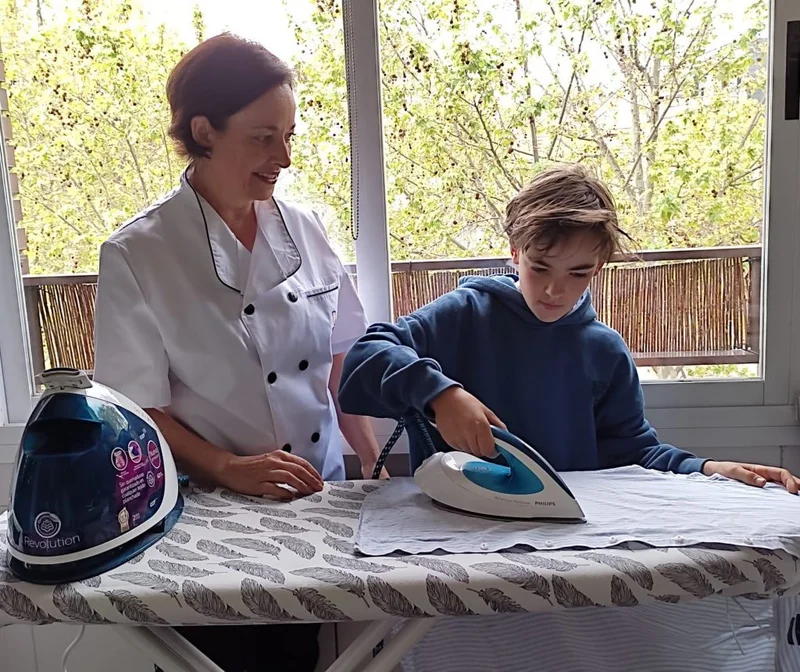
- Washing, ironing, and garment care.
Participants also learn to save time and avoid mistakes that could damage furniture, clothing, or appliances.

2. Workplace Safety
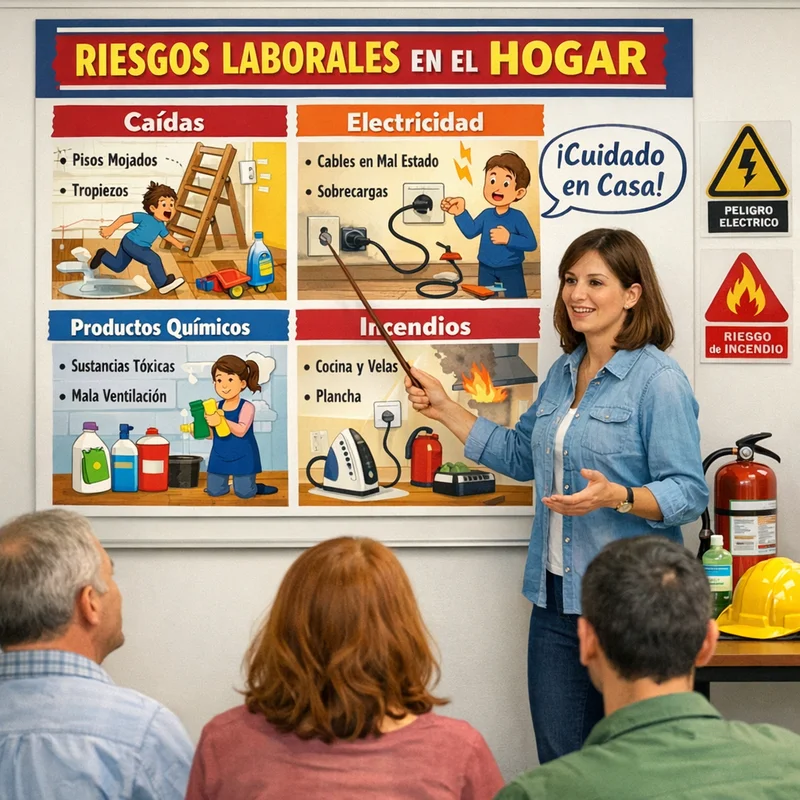
Many domestic tasks involve physical risks, making it essential to understand:
- Proper postures to prevent injuries.
- Safe handling of chemical products.
- Fall and accident prevention.
- Safe lifting techniques.
- Basic first aid.
This training is vital for protecting the health of workers and fostering a safer home environment.
3. Cooking and Healthy Eating
Increasingly, families appreciate basic knowledge of nutrition and balanced cooking. Training may include:
- Creating healthy menus.
- Proper food preservation.
- Food hygiene practices.
- Cooking for children or the elderly.
- Special diets and food intolerances.
For those interested in healthy eating, this training can significantly enhance the service provided.

4. Care for the Elderly and Dependents
Many household employees also take on caregiving roles. In this area, it is beneficial to learn:
- Mobility assistance for dependent individuals.
- Personal hygiene and basic care.
- Emotional support and communication.
- Basic medication administration.
- Emergency situation detection.
These skills provide reassurance to both families and workers.

5. Childcare
Caring for children requires responsibility and preparation. Training may cover:
- Childcare routines.
- Home safety.
- Educational play.
- Pediatric first aid.
- Child nutrition.
Even basic knowledge can greatly assist in daily caregiving tasks.

Online Training Opportunities
Online education allows individuals to study from home and adjust their schedules to fit work and family life. There are numerous accessible and practical platforms available.
Some recommended options include:
- SEPE Provides information on free courses and employment training.
- Fundae Offers subsidized training programs and resources for workers.
- Cruz Roja Española Conducts courses related to care, social healthcare, and first aid.
- Domestika While primarily focused on creative skills, it also offers useful courses on organization, cooking, and home management.
- Udemy Features affordable courses on professional cleaning, cooking, and customer service.
The flexibility of online training is a significant advantage, though it requires personal discipline and organization.
In-Person Training Options
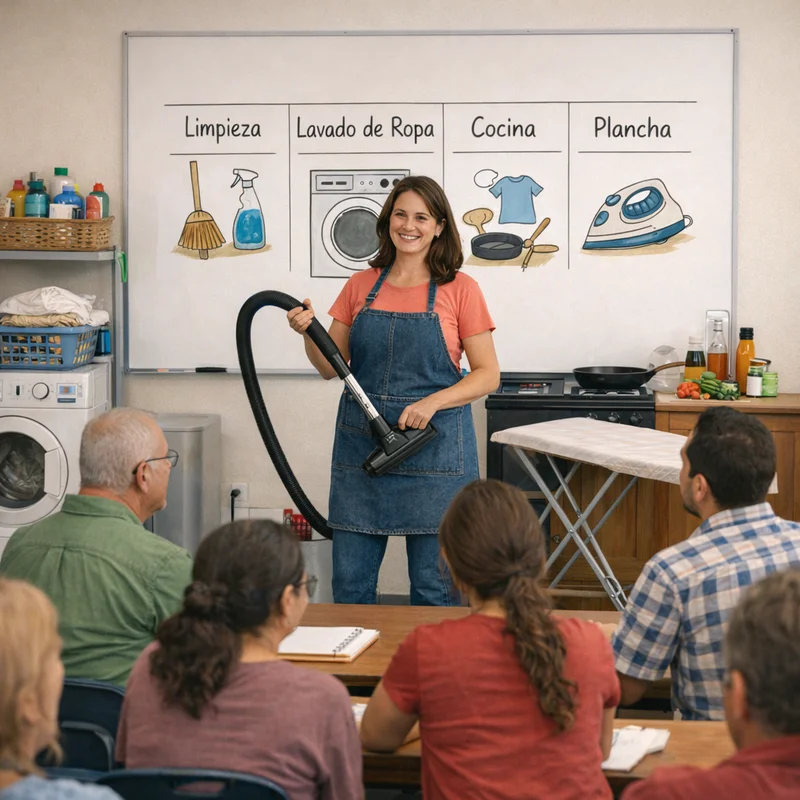
In-person training remains valuable as it allows for hands-on practice and direct interaction with instructors.
Some alternatives include:
- Vocational training centers.
- Private academies.
- Associations for household employees.
- Municipal employment services and local government programs.
- Social organizations and parishes offering free workshops.
Cities like Madrid, Barcelona, and Valencia have municipal programs specifically aimed at domestic employment and caregiving.
An Investment in the Future
Pursuing training does not mean starting from scratch. Many household employees already possess substantial practical experience, and training serves to reinforce knowledge, update techniques, and enhance confidence.
Moreover, having certifications or diplomas can help demonstrate professionalism to potential future employers. In a sector where trust is paramount, continuous learning is a pathway to growth and further dignifies this essential work within society.