Understanding Home Materials and Their Maintenance
A foundational understanding of home materials is essential for effective maintenance. This guide covers common materials, their characteristics, and cleaning techniques to ensure longevity.
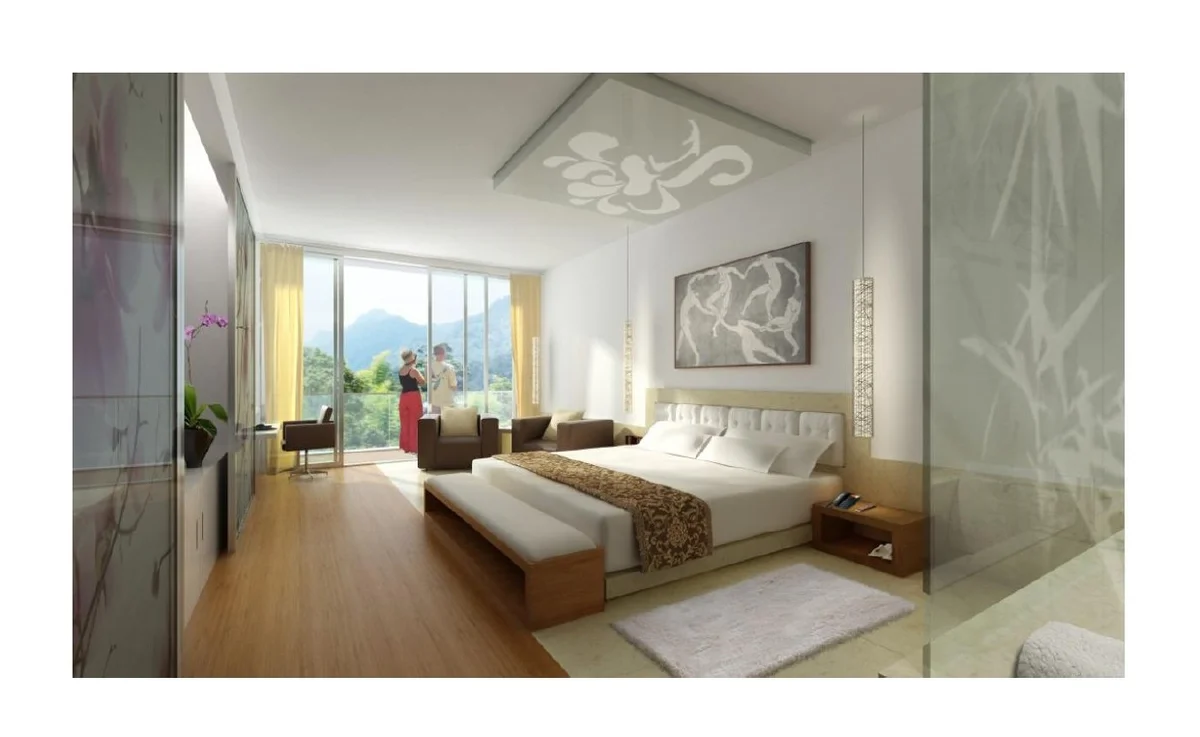
Having a foundational understanding of the materials that make up a home is essential for developing an effective maintenance plan tailored to each specific structure. When discussing home materials, the focus typically lies on those that constitute the permanent coverings of a building, rather than the structural components, which are generally hidden from view. To keep these materials in optimal condition, it is crucial to understand their composition and characteristics. This knowledge allows homeowners to apply the appropriate cleaning treatments and products, ensuring that these surfaces remain as good as new while facilitating quick and efficient cleaning.
Many physical and chemical characteristics can be examined in construction materials, each playing a significant role in how they respond to various forces and elements. This overview aims to provide basic insights that can help extend the lifespan of these materials through proper cleaning and maintenance practices. Therefore, we will concentrate on the characteristics that offer the most relevant information regarding how materials will react to cleaning treatments.
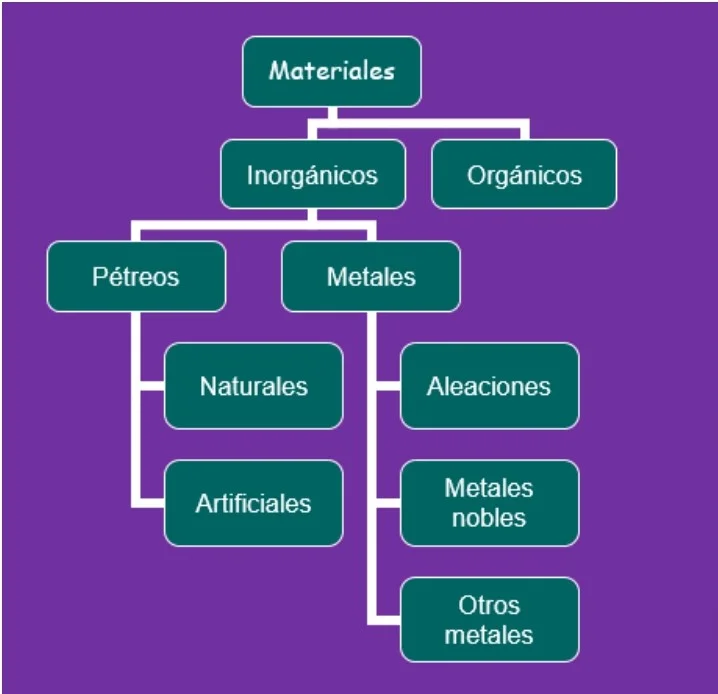
Classification of Materials
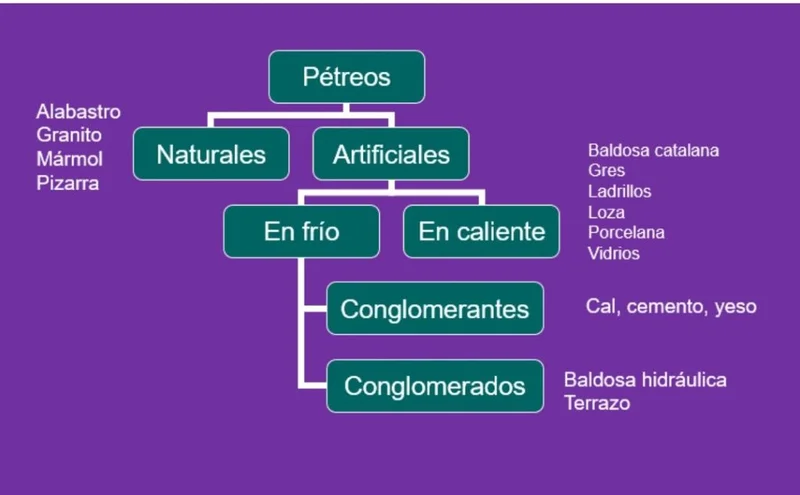
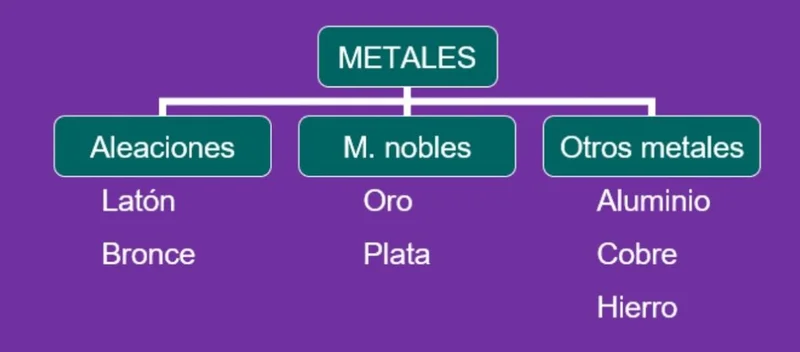
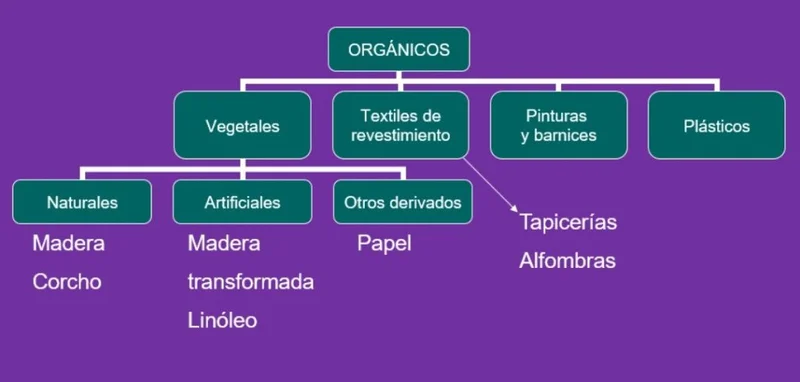
Common Materials
- Aluminum
- Hydraulic tiles
- Fired clay tiles
- Granite
- Stoneware
- Stainless steel
- Glass
- Linoleum
- Wood
- Marble
- Terrazzo
- Carpets and rugs
- Paints
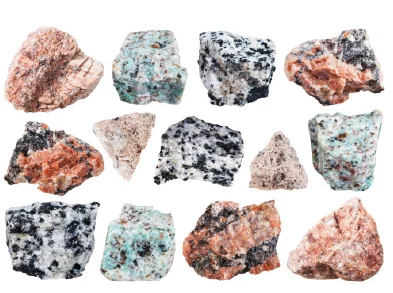
Granite
- Features a rough surface and a gray color.
- Composition includes quartz, feldspar, and mica.
- Known for its hardness, making it difficult to work with, and is porous, which means it can absorb stains.
- It can be altered by moisture, leading to darkening and potential disintegration.
- Avoid alkaline compounds, waxes, and organic solvents.
- Clean with hot soapy water; polished surfaces can be glazed.
Marble
- Derived from recrystallized limestone.
- Pure marble is completely white, while impurities give it various colors.
- It has medium hardness and is susceptible to acids. Stains must be removed immediately to prevent penetration.
- Clean with hot water and neutral detergent, ensuring to rinse and dry thoroughly.
- Can also be glazed for a shiny finish.
Slate
- This fine-grained foliated rock is known for its ability to exfoliate, allowing for the separation of large, thin sheets.
- It has almost no apparent porosity and is lightweight.
- Commonly used for roofs, floors, and wall coverings.
- Cannot be polished, thus it is typically used with a rough texture.
- Clean with warm water and neutral soap or specific natural stone cleaners.
Hydraulic Tiles and Terrazzo
- Appearance: square tiles, usually in solid colors.
- Composition includes cement, marble sand, and colorants.
- Known for high mechanical resistance but is porous, meaning it can absorb stains and is prone to scratching from abrasives and acids.
- Clean with hot water and neutral detergent.
Fired Clay Tiles
- Square in shape, with colors ranging from pale beige to dark red.
- Made from iron-rich clays.
- They are fragile and soft, offering low mechanical resistance.
- Can be waxed, and resist organic solvents; however, bleach can discolor them, and strong acids leave stains.
- Clean with hot water and neutral detergent, then apply wax and buff.
Stoneware
- Features a shiny surface with various colors and designs.
- Composed of vitrifiable clays.
- Non-porous, impermeable, and scratch-resistant.
- Cold to the touch, resonant, and slippery.
- Clean with hot soapy water; in work areas, use a machine and abrasive.
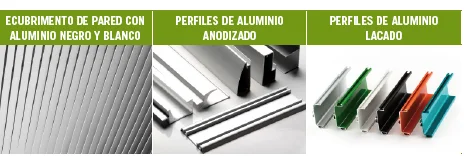
Aluminum
- Color: grayish-white.
- Soft and easily scratched.
- Deforms under heat.
- Safe for contact with food and liquids.
- Common uses include cookware and metal carpentry.
- Clean with hot soapy water; ammonia can be used for grease.
Stainless Steel
- Contains chromium and nickel.
- Known for its high hardness and exceptional mechanical strength.
- Resistant to atmospheric corrosion and organic acids.
- Clean with hot soapy water and a nylon or natural fiber scrubber, rinsing and drying thoroughly.
Wood
- A natural material derived from the trunks, branches, and roots of trees.
- If varnished, painted, or waxed, clean with a dry cloth.
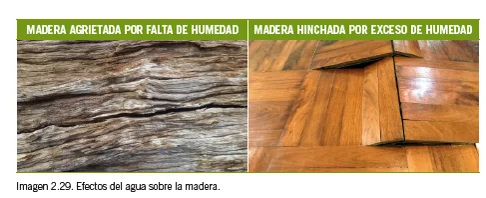
- Floating parquet should not be excessively wet as it may warp.
Corian
- Made from acrylic resin and natural minerals.
- This non-porous material resists bacteria and fungi.
- For regular cleaning, stains can be removed with a soft cloth. If necessary, rinse with hot water and dry.
- For simple stains, use a mildly abrasive detergent (like CIF) with a damp cloth in circular motions.
Silestone
- Composed of minerals, polyester, and pigments.
- This low-porosity material is highly resistant to stains. Clean with water and neutral soap or a specific product for Silestone.
- Avoid placing hot items directly on its surface.
- Do not use caustic strippers, caustic soda, or products with a pH above 10, nor solvents, degreasers, or metal scrubbers.
Final Tips
Understanding the materials in your home is vital for maintaining their condition and cleanliness. If uncertain, it is always advisable to consult an expert in the field and to start with the least aggressive cleaning methods.