
Understanding Household Risks and Safety Measures
Understanding the various risks present in households and the necessary preventive measures can help ensure safety for all family members.
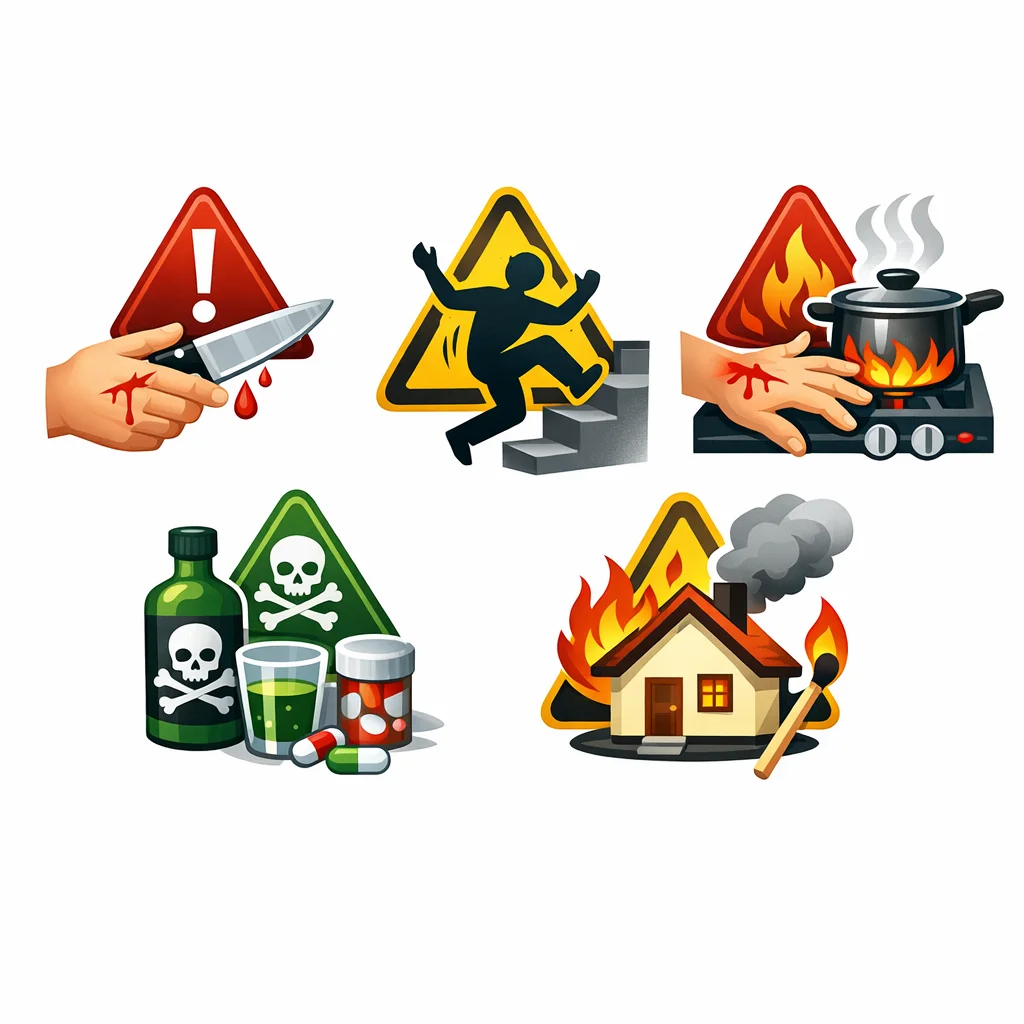
While homes are generally viewed as safe havens, they harbor numerous risks that can lead to accidents. These hazards, akin to those encountered in workplace environments, necessitate careful attention and appropriate preventive measures. Ensuring safety at home is crucial for the well-being of all family members.
Legal Framework
In Spain, domestic workers are entitled to risk prevention in their work environment, and employers are required to assess and document risks present in the household. This legislation recognizes the home as a formal workplace and aims to guarantee the safety and health of domestic workers. Adhering to risk assessments and preventive measures not only avoids penalties but also safeguards the physical integrity and welfare of workers, fostering a secure and responsible work environment.
Employer Responsibilities
To comply with legal regulations, employers must:
- Conduct a risk assessment using the official platform Prevencion10.es, answering a questionnaire about tasks and the home environment.
- Generate and provide documentation to the worker, including the risk assessment, preventive measures plan, and risk report.
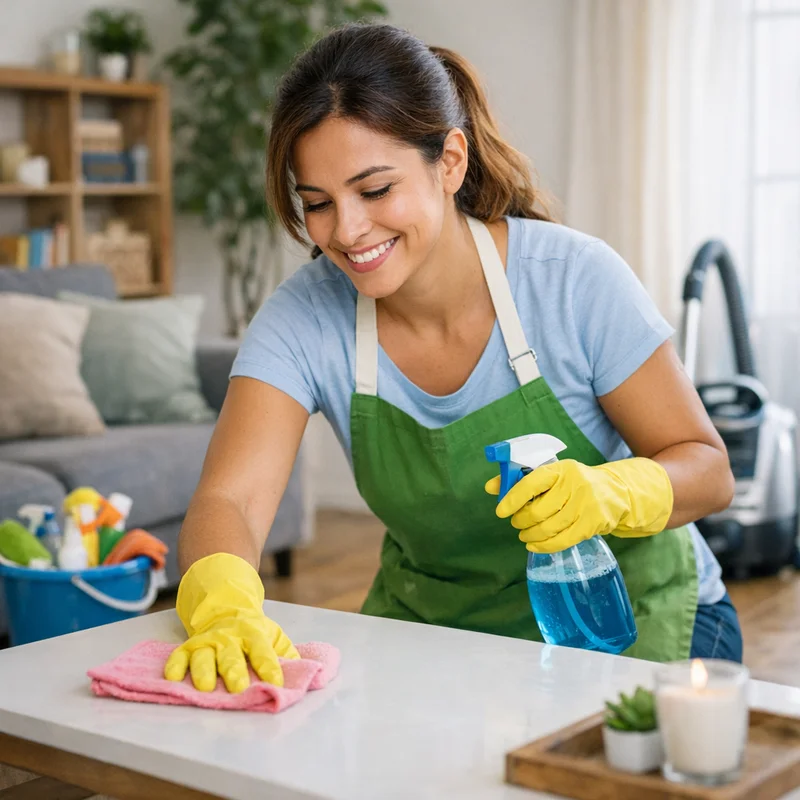
- Supply free personal protective equipment, such as gloves, non-slip footwear, or masks, and ensure their proper use.
- Update the assessment when working conditions change or incidents occur.
- Train and inform the worker about risks and preventive measures.
Common Household Risks
One of the most prevalent dangers in the home is falls. Wet floors, poorly placed rugs, staircases without handrails, or inadequate lighting can lead to accidents, particularly among children and the elderly. To mitigate these risks, it is advisable to maintain order, secure rugs with non-slip surfaces, and ensure proper lighting throughout all areas.

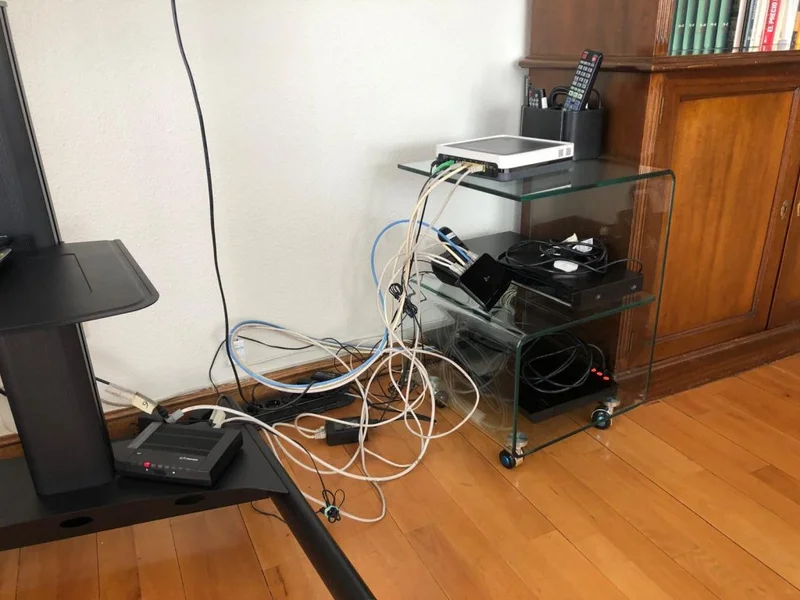
Electrical accidents also pose a significant risk. Improper use of outlets, damaged cables, or overloading power strips can result in short circuits and fires. Regular checks of the electrical system, avoiding handling devices with wet hands, and unplugging devices when not in use are essential practices. Additionally, protecting outlets is crucial if children are present in the home.
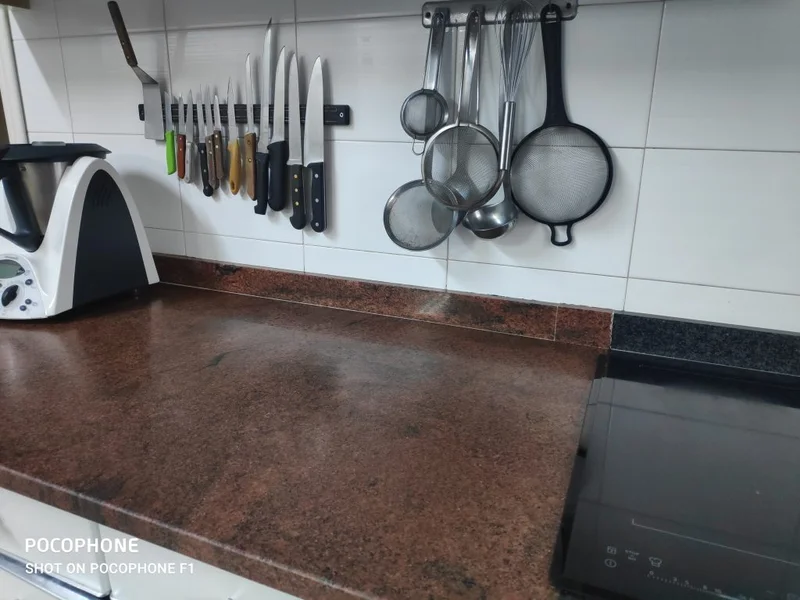
The kitchen is another area with a high concentration of hazards. Burns, cuts, and potential fires are common if safety precautions are overlooked. Proper use of utensils, keeping pot handles inward, and minimizing distractions while cooking are basic safety measures. Installing smoke detectors and having a fire extinguisher or fire blanket readily available is also recommended.
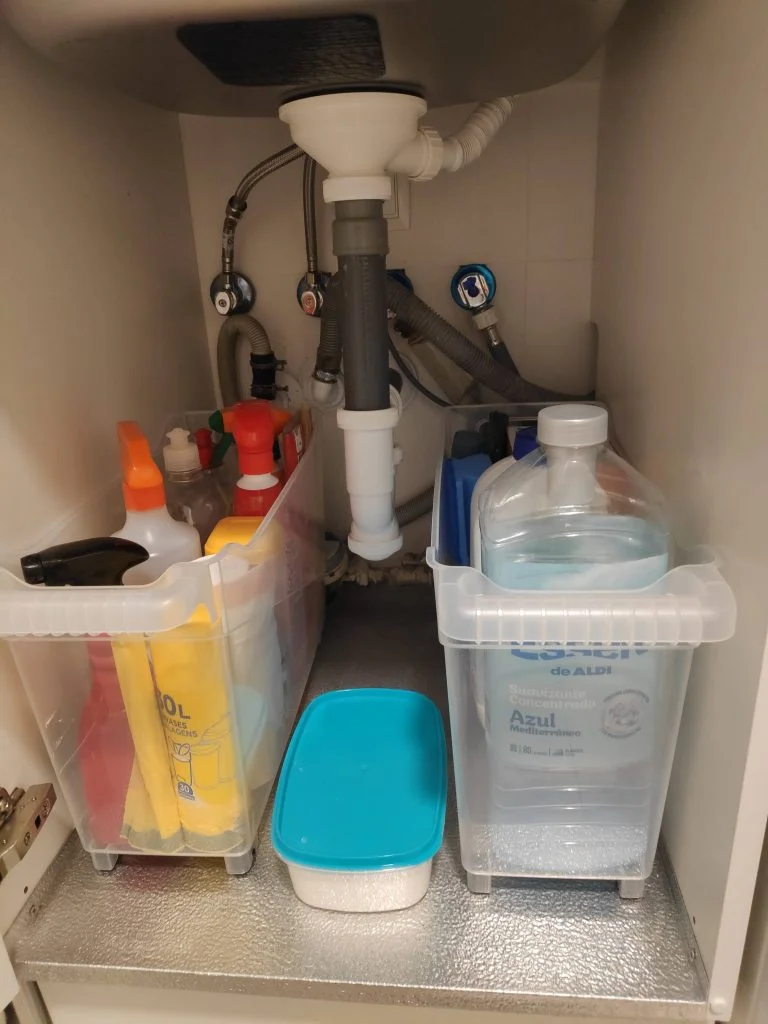
Cleaning chemicals represent another risk if not handled correctly. Inhalation of toxic fumes or skin contact can lead to irritations or poisoning. It is vital to follow usage instructions, avoid mixing products, and store them out of children's reach.
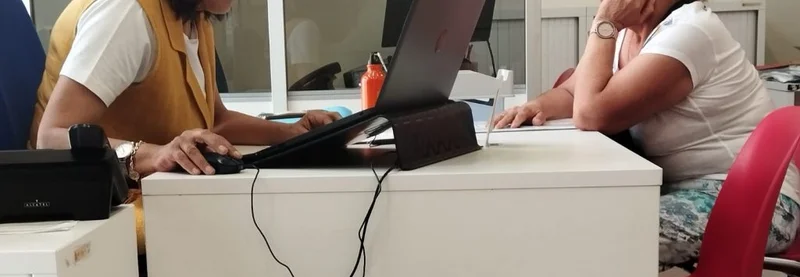
Ergonomic risks are particularly relevant in the context of remote work. Poor posture, inadequate furniture, or prolonged hours in front of a computer can lead to muscle pain and long-term health issues. Investing in an ergonomic chair, adjusting screen height, and taking regular breaks to stretch are important steps.
Moreover, fires are one of the most serious risks in the home. They can arise from electrical failures, kitchen negligence, or improper use of heaters. To minimize this risk, it is advisable not to leave candles unattended, keep appliances in good condition, and have a family evacuation plan in place.
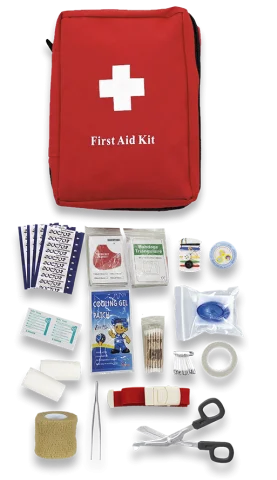
Preventive measures also encompass education. All household members should be aware of basic safety rules and know how to respond in emergencies. Keeping emergency contact numbers and a first aid kit accessible is a simple yet effective precaution.
In conclusion, while risks exist within the home, most accidents can be prevented through responsible habits and preventive measures. Cultivating a safety culture at home is as vital as in any workplace, contributing to the well-being and protection of the entire family.