Household Finance Management: Strategies for Success
Household finance management is crucial for daily life. This article explores effective strategies for budgeting, saving, and organizing tasks to achieve financial stability.
Managing household finances is a critical aspect of daily life that often goes unnoticed. Effective money management not only helps meet basic needs but also enables individuals to achieve long-term goals such as purchasing a home, saving for children's education, or enjoying a dream vacation. This article delves into practical strategies for managing household finances, from budgeting to future planning.
KEY STRATEGIES FOR HOUSEHOLD FINANCE MANAGEMENT

Understand Your True Needs
Understanding your household economic needs is essential for maintaining a balanced and healthy home. Start by taking an inventory of your monthly expenses. This should include essential bills such as water, electricity, and gas, as well as expenditures on food, transportation, and entertainment. Creating a detailed list will help visualize where your money goes and identify areas for potential adjustments.

Create a Budget
Creating a household budget is vital for keeping your finances organized. Begin by noting all monthly income sources. Next, list fixed expenses, including rent, utilities, and debts. Don't forget to account for variable costs such as food and entertainment. Assign specific amounts to each category and ensure that your expenses do not exceed your income. Regularly review and adjust your budget to accommodate any changes. Consider using apps or spreadsheets to simplify tracking. A solid budget can help you save and lead to a more peaceful financial life.
Establish an Emergency Fund
Establishing an emergency fund is one of the smartest financial decisions you can make. Aim to save between three to six months' worth of basic expenses to provide a financial cushion for unforeseen circumstances, such as job loss or unexpected medical bills. Start by opening a separate savings account for this purpose to avoid the temptation of spending it. Automating your savings by setting up automatic transfers from your main account to your emergency fund with each paycheck can make saving a habit without much thought. Reviewing monthly expenses to find areas to cut back, such as unnecessary subscriptions or dining out, can also contribute to savings. Remember, consistency is key; even if you start with a small amount, regular contributions will lead to significant growth over time.
Organize Household Tasks
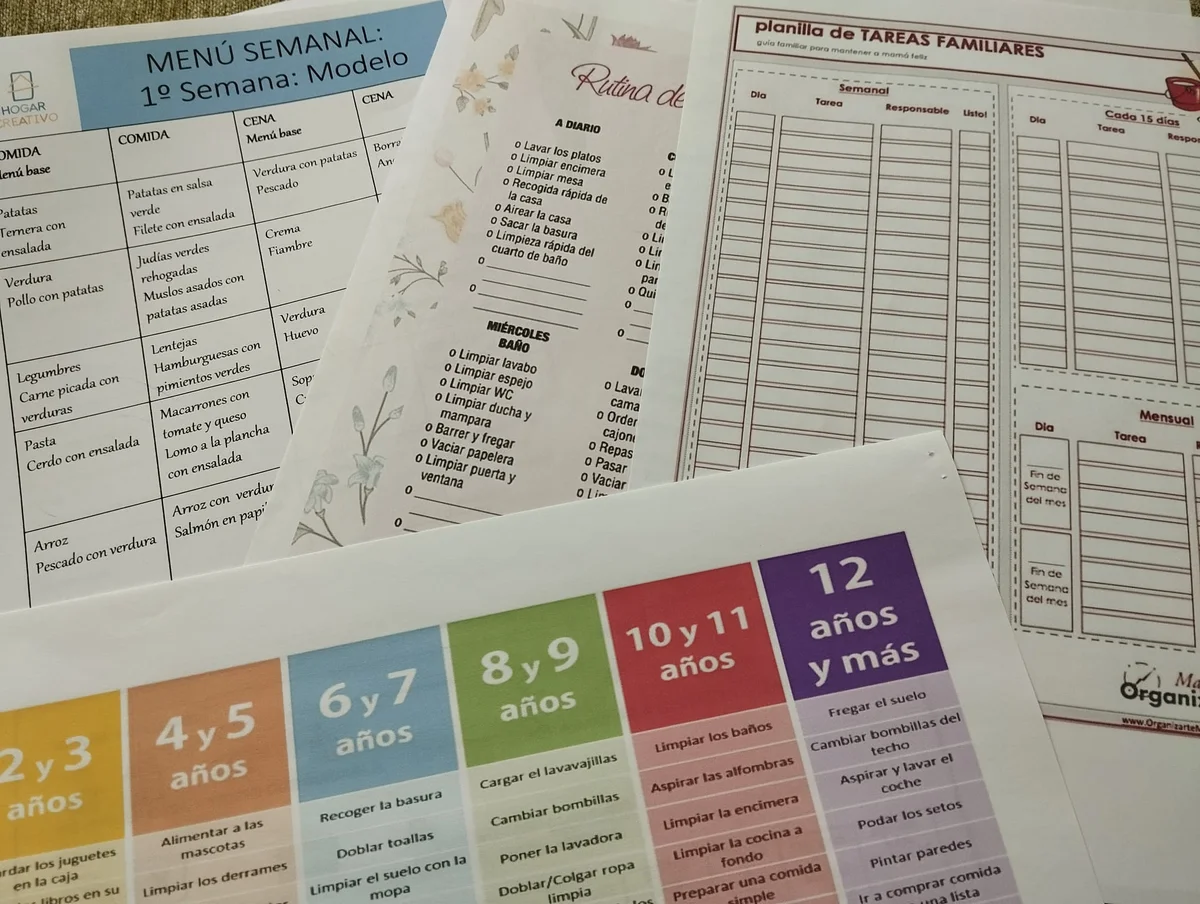
Efficiently organizing household tasks is crucial for saving both time and money. A practical approach is to create a cleaning and maintenance calendar that assigns specific tasks to each day of the week. This prevents work from piling up and reduces stress by clarifying expectations for each family member. Grouping similar tasks can also be beneficial; for example, designate one day for laundry and another for kitchen cleaning. This not only optimizes time but also allows for more efficient use of cleaning products, minimizing waste. Additionally, planning meals weekly helps create a precise shopping list, reducing impulsive purchases. Cooking at home and preparing meals in batches can lower food expenses and minimize waste. Lastly, involving all family members in household chores fosters collaboration and teaches valuable skills to younger generations. A well-organized home leads to a more harmonious environment and saves time and money in the process.
Track Income and Expenses
Monitoring income and expenses is essential for maintaining a healthy household budget. Begin by recording all sources of income, such as salaries and additional earnings. Next, document daily expenses, from fixed costs like rent and utilities to variable ones like food and entertainment. Utilize financial apps or a simple spreadsheet to facilitate tracking. Weekly reviews of your records can help identify patterns and adjust spending as needed. Establishing a monthly budget will aid in prioritizing needs and saving for future goals.
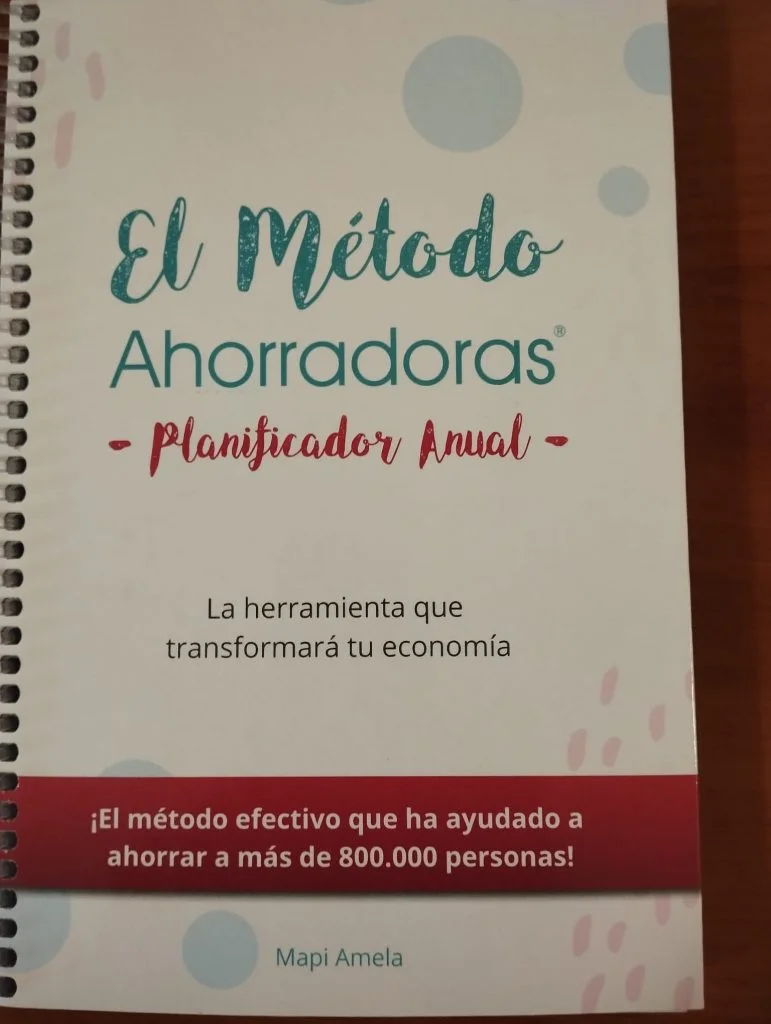
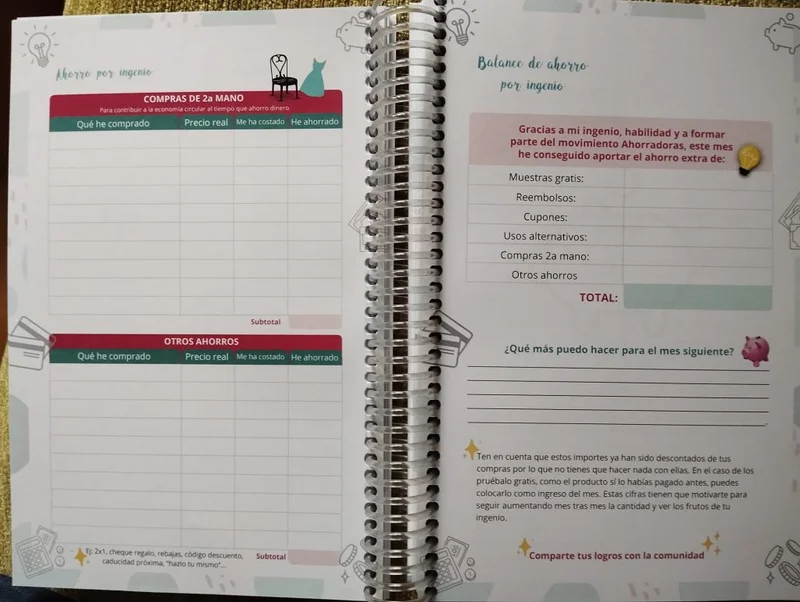
These images are from Mapi Amela's Annual Planner. I recommend exploring her website.
If you're interested in taking a course, I suggest doing so with my friend Beatriz from "Hogarizarte."
Energy-Saving Tips
Here are some tips for efficiently managing your home's energy use and saving on your electricity and gas bills.
Apps for Managing Household Finances
-
Mint: This app allows you to track expenses, create budgets, and receive alerts about your finances. It syncs with your bank accounts to provide a clear overview of your finances.
-
YNAB (You Need A Budget): YNAB focuses on creating a budget based on your income and expenses. It offers educational tools to help you manage your money better and save.
-
PocketGuard: This app helps you monitor your spending and see how much money remains after covering bills and savings. It’s ideal for those seeking simplicity in financial tracking.
-
GoodBudget: Utilizing the envelope system, this app helps you manage your money by assigning specific amounts to different expense categories, allowing for visual budget tracking.
-
Spendee: This app enables you to create budgets and categorize your expenses. You can also share accounts with family or friends, facilitating the management of shared expenses.