The Importance of Quality in Home Electronics
Smart home technologies like wall boxes and inverters are essential for modern living. Understanding the quality of electronics and manufacturing standards can ensure long-term reliability and efficiency.

In today's homes, smart technologies such as electric vehicle charging stations, rooftop solar panels, and app-controlled heating systems have become essential features for many homeowners. When selecting these devices, consumers often prioritize functionality, aesthetics, and price. However, the longevity and reliability of these products depend significantly on an unseen factor: the quality of the printed circuit boards (PCBs) within them. This article explores the intricacies of electronics in devices like wall boxes, inverters, and control systems, and how to identify high-quality components before making a purchase.
The Crucial Role of Electronics in Smart Home Technology
Modern home technology relies heavily on well-manufactured printed circuit boards. For instance, the wall box manages the charging current for electric vehicles, while the photovoltaic inverter converts direct current into alternating current suitable for the grid. Heating controls process data from various sensors throughout the home. Smart home sensors and actuators also depend on these meticulously crafted PCBs, which face daily operational stresses and fluctuating temperatures in areas like garages, basements, or utility rooms.
When a device fails after just a few years, the issue usually isn't due to the casing or software. Instead, it often stems from solder joints, components, or minor manufacturing errors on the PCB. In high-power electronics, such as those found in wall boxes and inverters, manufacturing defects may not become apparent until much later—often after months of operation. A weak solder joint might function properly for an extended period before failing under full load. Therefore, the quality of the electronics is a determining factor in whether your home technology will operate reliably for a decade or more, or if it will incur costly repairs and downtime. A closer look at the internal components of these devices can be quite revealing. How is the electronics actually manufactured?
From Component to Complete Assembly: The Electronics Manufacturing Process
The manufacturing of electronic components is a structured process, often referred to by acronyms like EMS (Electronics Manufacturing Services) and SMD (Surface Mounted Device). EMS involves the contract manufacturing of electronic assemblies by specialized providers. The process begins with sourcing materials: resistors, capacitors, processors, and connectors are procured based on a bill of materials and thoroughly inspected before the actual PCB assembly begins.
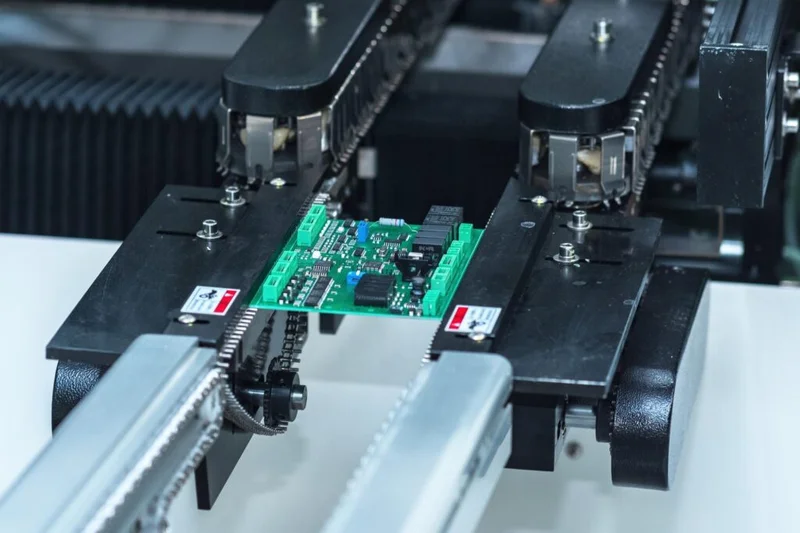
During SMD assembly, automated machines place tiny components directly onto the surface of the PCB and solder them with high precision and efficiency. This technique is prevalent in nearly all modern devices, from smart home sensors to inverters. Additionally, THT (Through Hole Technology) is used, where components with wire leads are inserted through the PCB and soldered, especially for robust connectors or power components. The final steps include testing, housing assembly, and quality control. Only through meticulous sourcing, precise assembly, and rigorous testing can individual components be transformed into reliable assemblies.
An example of this manufacturing process is Mebatron Elektronik GmbH, located in Brieselang near Berlin. The backbone of their production is efficient SMD assembly, which combines high component density with consistent processing quality. For over 30 years, the company has manufactured electronic assemblies for various sectors, including automation, mobility, and control technology, all of which are integral to smart home applications. With around 50 employees operating on 2,650 square meters of production space, they execute more than 815 projects annually, ranging from prototypes to large-scale production.
Quality Assurance: Identifying Good Electronics
While it may not be possible to inspect every device internally, you can inquire about the testing standards used in the manufacturing of the electronics. Manufacturers and their partners who take quality seriously are typically transparent about their processes. Here are four criteria to help evaluate quality:
- Certified Quality Management: Certification under ISO 9001:2015 indicates that manufacturing processes are documented, controlled, and regularly audited. While this does not guarantee flawless PCBs, it establishes a reliable minimum standard.
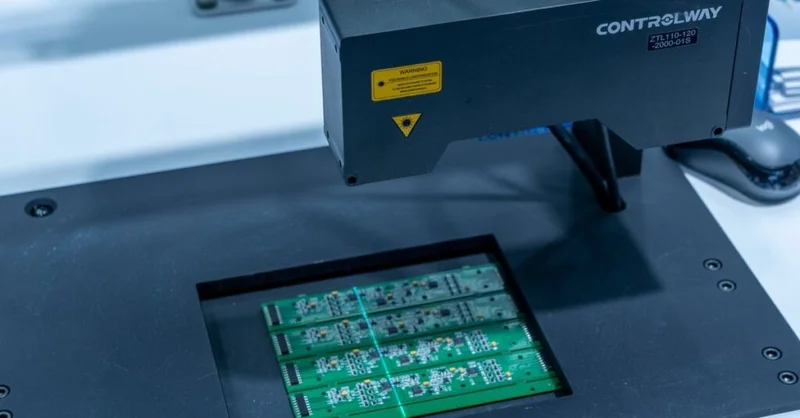
- Automated Optical Inspection (AOI): Modern 3D AOI systems automatically inspect every SMD component and solder joint for position, solder volume, and connection quality. Errors are detected before the assembly is incorporated into the device.
- X-ray Inspection of Hidden Solder Joints: For component types like BGA (Ball Grid Array) or LGA (Land Grid Array), solder connections are hidden beneath the component and are not visible externally. Only X-ray inspection can reliably reveal errors at these points.
- Transparency Regarding Manufacturing Locations: Open communication about where and under what standards products are made reflects positively on the provider. Manufacturing in Germany also means shorter distances for inquiries, adjustments, or complaints.
Mebatron exemplifies these practices: the manufacturing service provider is certified under ISO 9001:2015, inspects all SMD components and solder joints using 3D AOI, and additionally X-rays hidden solder joints. By asking about testing procedures and standards before purchasing a wall box or inverter, you can gauge how seriously a manufacturer takes quality.
Sustainability and Reliability as Quality Indicators
Quality is also influenced by the overall production practices of a company. Resource-efficient manufacturing goes beyond environmental considerations: companies that maintain well-documented processes, use energy responsibly, and minimize waste tend to also prioritize product quality. For homeowners investing in photovoltaics and efficient home technology, it aligns well if the electronics used are produced responsibly. Short supply chains and manufacturing in Germany further reduce the ecological footprint, indicating thoughtful operational practices.
For instance, Mebatron claims that approximately 44 percent of its energy needs are met through its own 170 kW peak photovoltaic system, saving about 88 tons of CO₂ annually. The production process is paperless, with documents and testing protocols maintained digitally. Additionally, the focus on repairability and durable assemblies conserves resources by reducing the frequency of device replacements. Such metrics are verifiable and complete the picture of a manufacturer committed to producing long-lasting, thoroughly tested assemblies rather than disposable products.
Frequently Asked Questions
Why do smart home technologies sometimes fail earlier than expected?
Often, the cause lies in the quality of the electronics rather than the casing or software. Defective solder joints, subpar components, or inadequate testing during manufacturing can lead to failures that only manifest under load after months of use. Factors such as moisture, temperature fluctuations, and continuous stress can exacerbate these vulnerabilities.
How can you identify high-quality electronics in a wall box or inverter?
Look for certifications like ISO 9001:2015, documented testing procedures like optical inspection and X-ray testing, and transparency regarding the manufacturing location. Reputable manufacturers are usually willing to answer such inquiries and often disclose their standards on their websites.
What is the difference between SMD and THT assembly?
In SMD assembly, small components are automatically soldered directly onto the surface of the PCB with high precision. THT components have wire leads that are inserted through the PCB and soldered; this method is commonly used for robust or heavily loaded components.
Does sustainability matter in electronics manufacturing for homeowners?
Indirectly, yes. A resource-efficient, paperless manufacturing process powered by solar energy contributes to a responsible overall image and aligns with a home focused on efficiency and longevity.
Next time you examine your home technology, it may be worthwhile to consider the quality behind every wall box, inverter, and sensor. The manufacturing quality of the PCB plays a crucial role in the reliability and lifespan of these devices. By inquiring about testing procedures, certifications, and manufacturing locations, you can make more informed purchasing decisions, ensuring your smart home remains a dependable and efficient environment.