
The Role of Rattan in Veranda Design: Benefits and Challenges
Explore the benefits and challenges of using rattan in veranda design, focusing on its aesthetic appeal, environmental adaptability, and maintenance requirements.
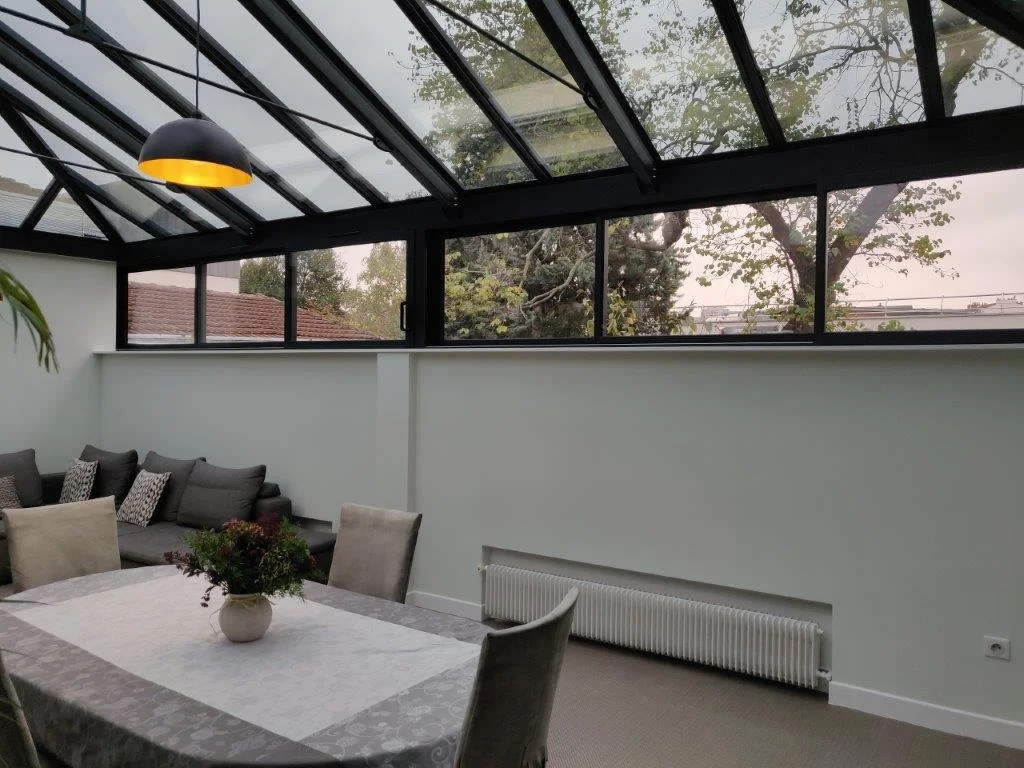
Rattan has emerged as a favored choice for veranda furnishings, seamlessly blending aesthetics with functionality. Its visual lightness makes it particularly suitable for these transitional spaces, where indoor and outdoor elements converge. Unlike bulkier furniture, rattan chairs and sofas do not overwhelm the area; instead, they enhance the room's openness and flow, making them a harmonious fit for verandas.
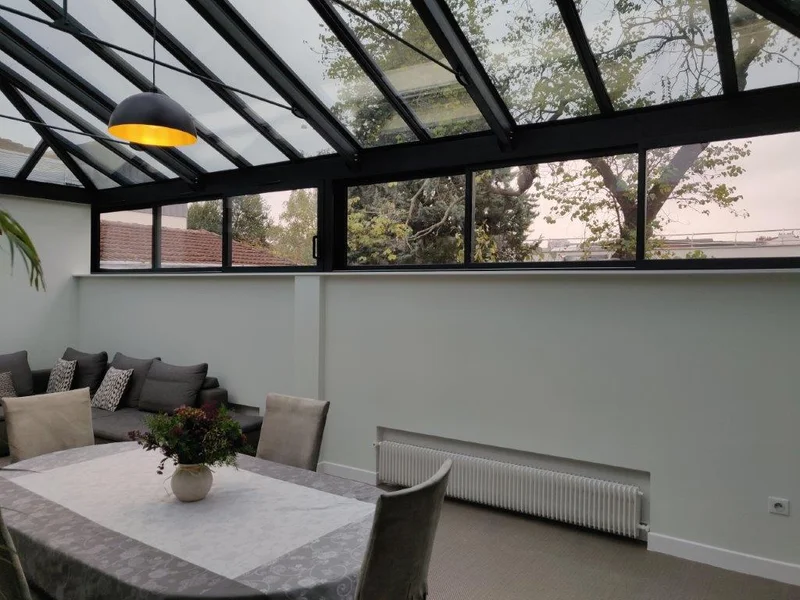
The aesthetic appeal of rattan largely accounts for its popularity in veranda settings. It is commonly found in various forms, including lightweight chairs, sofas, and benches, often complemented by cushions for added comfort.
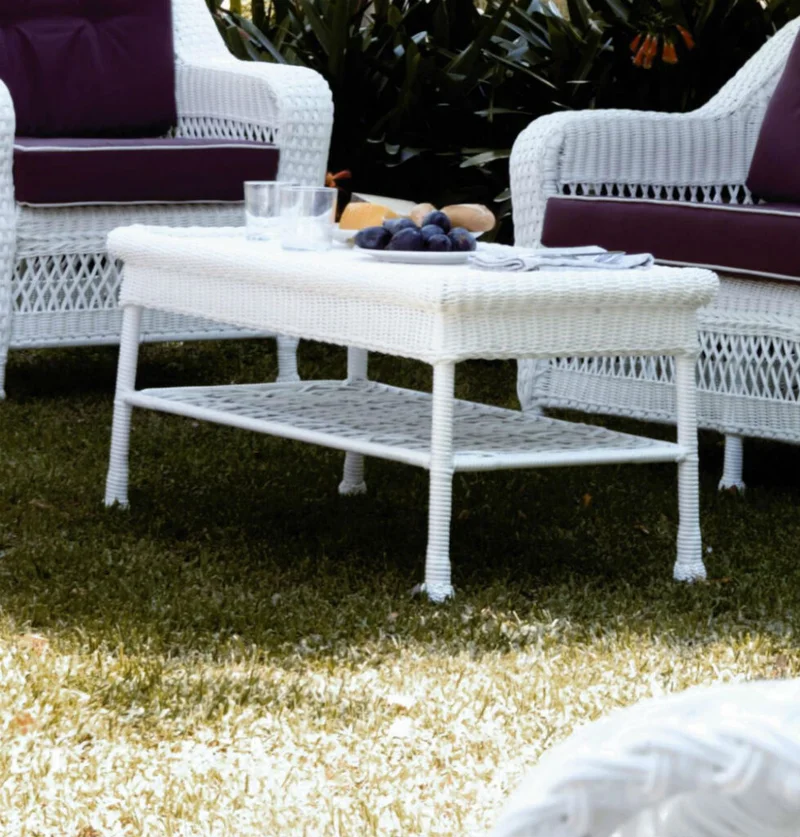
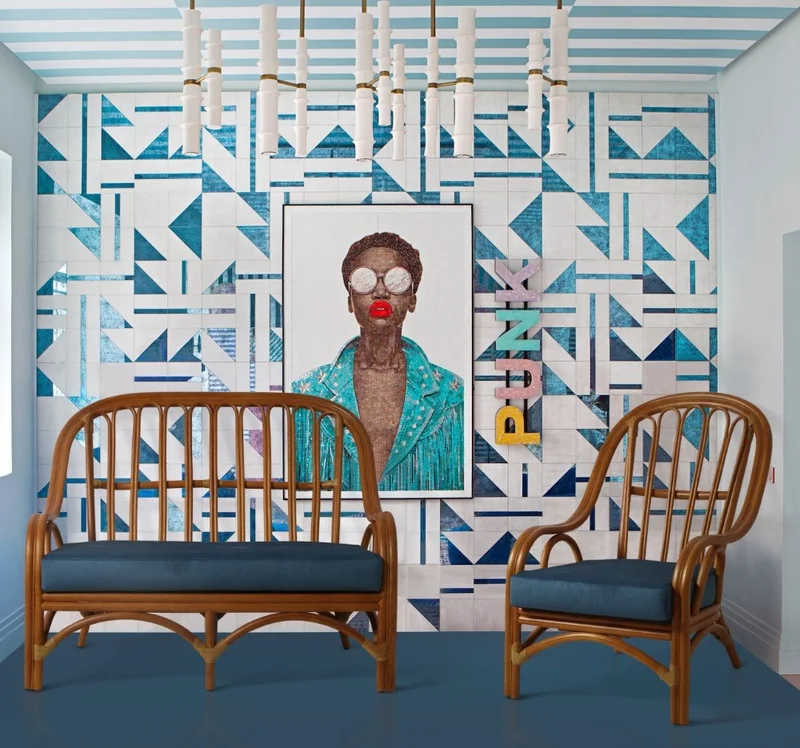
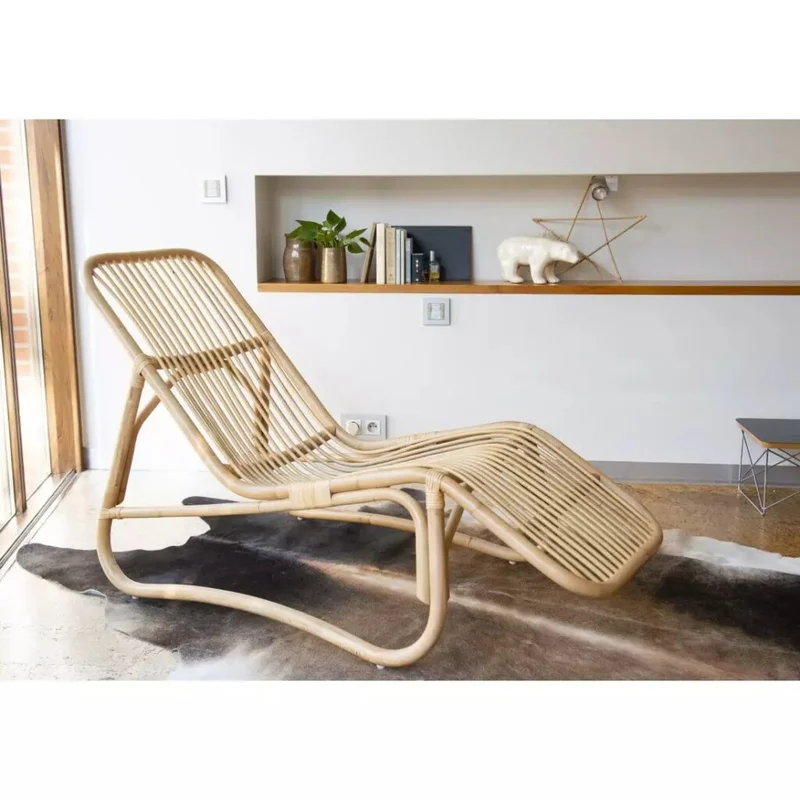
However, the visual harmony of rattan does not guarantee its durability in the face of the unique challenges posed by veranda environments. Verandas are subject to rapid fluctuations in temperature and humidity, which can complicate the use of rattan.
A Material Suited to the Veranda's Nature
Rattan possesses qualities that align well with the essence of a veranda. Its open structure promotes air circulation, allowing for the free movement of thermal currents. This characteristic is particularly advantageous in a space where heat can quickly rise and fall. Rattan furniture does not obstruct airflow, helping to maintain a balanced environment.
The lightweight nature of rattan also allows for flexible arrangements that can be adapted according to seasonal changes or sunlight exposure. This versatility is essential for maximizing the functional use of a veranda, which may serve multiple purposes throughout the year.
Moreover, rattan creates a visual continuity between indoor and outdoor spaces, extending the garden's aesthetic into the home while remaining suitable for indoor use.
Despite these advantages, the inherent behavior of rattan in varying environmental conditions must be considered.
Rattan's Interaction with Ambient Conditions
As a natural fiber, rattan maintains a constant relationship with its surroundings. It absorbs moisture when the air is humid and releases it when conditions dry out. This natural expansion and contraction are part of the material's lifecycle.
In stable environments, these movements are minimal and often go unnoticed. However, in a veranda, where conditions can change rapidly, rattan responds more dramatically to temperature and humidity shifts.
These changes do not signify a flaw in the material; rather, they highlight the need for careful consideration of the veranda's climate.
Thermal Cycles and Rattan's Performance
The thermal dynamics of a veranda involve rapid heating during sunny periods followed by quick cooling when sunlight diminishes or heating ceases. Coupled with changes in humidity, this can lead to significant stress on rattan furniture.
In a poorly regulated veranda, rattan may experience frequent cycles of expansion and contraction, which can affect its structural integrity over time. While initially, these changes may not be apparent, they can lead to a stiffer feel in chairs or sofas, diminishing comfort.
Conversely, in a controlled environment, rattan retains its flexibility and adaptability, showcasing its true potential.
Impacts on Comfort and Longevity
The variations in temperature and humidity directly influence the daily usability of rattan furniture. For instance, a rattan sofa with cushions may provide excellent comfort in a well-regulated veranda. Yet, in a space subjected to extreme fluctuations, the experience can vary. Cushions may absorb excess moisture, and the overall structure might become firmer over time.
While comfort may not vanish entirely, it can become inconsistent. Regarding durability, rattan can dry out if frequently exposed to hot, dry air, leading to a loss of flexibility and increased vulnerability to mechanical stress.
These changes are gradual and often tied to improper usage rather than any inherent weakness in the material. In a well-managed veranda, such issues remain minimal, whereas they can be exacerbated in an unstable setting.
Rattan: A Material Needing Stability
Rattan thrives in a veranda with some degree of climate regulation. Maintaining a consistent temperature, managing solar gain, and ensuring proper ventilation can significantly enhance the longevity and comfort of rattan furniture.
In contrast, a veranda left cold in winter and excessively hot in summer exposes rattan to conditions it isn't designed to withstand over the long term. While the material is not fragile, it does require a supportive environment to perform optimally.
Balancing Usage and Material Choice
Selecting rattan for a veranda goes beyond mere aesthetics; it necessitates a commitment to how the space will be utilized. In a veranda designed for regular living with maintained heating and careful management of sunlight, rattan excels, offering lightness, comfort, and visual coherence.
However, in a veranda used sporadically and subject to significant environmental changes, additional care is essential. Factors such as placement, protection from direct exposure, and appropriate textile choices become crucial.
Ultimately, rattan is adaptable; it responds to its environment rather than imposing itself upon it.
Rattan: A Demanding Yet Rewarding Choice
Choosing rattan is neither an obvious nor a poor decision. It aligns well with the spirit of the veranda but also exposes any imbalances within the space. Unlike some materials that disguise environmental stresses, rattan reveals and responds to them.
This duality is what makes rattan both a rich and demanding choice. In a controlled environment, it offers lasting comfort and quality. In an unstable setting, it calls for thoughtful planning and thermal management.
Opting for rattan means embracing the natural dynamics of the veranda and creating the conditions for it to thrive.