What are the trendy tile styles? - Home Management
Tile is no longer the default choice that is laid without much thought. In 2026, it has become a true decorative choice, on par with wall colors or furniture. Discover the trending tile styles for your home.
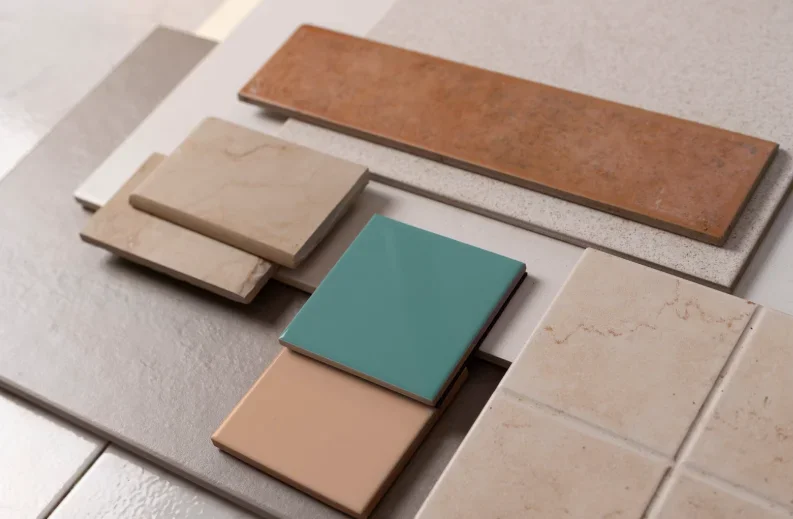
Tile is no longer the default choice that is laid without much thought. In 2026, it has become a true decorative choice, on par with wall colors or furniture. Handmade zellige, large format tiles, modernized terrazzo, stunning wood imitation, graphic cement tiles: the styles that are trending this year have in common the ability to tell a story, to bring an atmosphere rather than just cover a floor. Here are the currents dominating renovation projects and new constructions right now.
Before delving into the details of each style, a practical note: trends evolve quickly in the world of tiles, and collections change each season. Visiting a specialized tile store like As de Carreaux allows you to see and touch the materials in person, which online photos never truly convey. On a zellige or travertine, the texture and color variation from one piece to another can only be understood by holding them in your hands.
| Style | Atmosphere | Best Suited For | |-------------------|--------------------------------|----------------------------------| | 🧱 Zellige | Warm, artisanal, lively | Kitchen, bathroom, backsplash| | ⬜ Large Format | Sleek, modern, spacious | Living room, entryway, master suite| | 🧡 Terrazzo | Modern vintage, graphic | Kitchen floor, bathroom, terrace| | 🌳 Wood Imitation | Warm, natural, reassuring | Living areas, bathroom, outdoor| | ⚫ Cement Tiles | Character, graphic, authenticity| Entryway, kitchen, hallway | | 🤍 Travertine / Natural Stone | Soft, mineral, timeless | Bathroom, living room, chic outdoor| | 📏 Subway Tiles | Universal retro, easy to live with | Kitchen backsplash, bathroom walls|
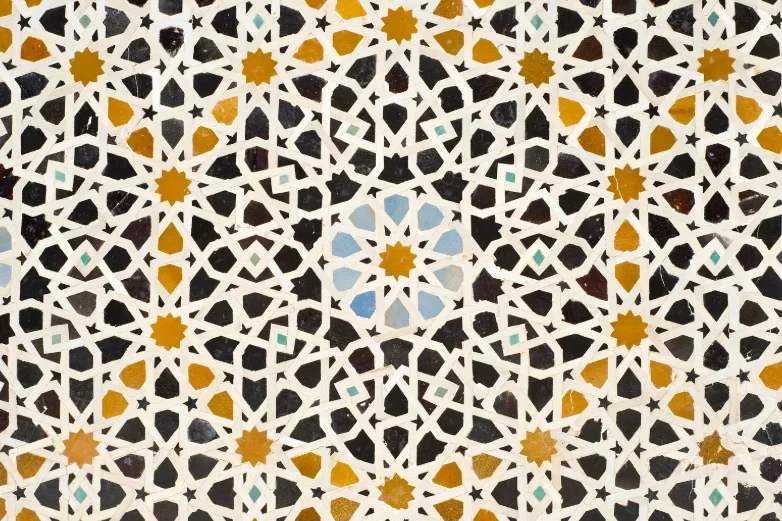
Zellige: Imperfect, and that's exactly what we want
Zellige is probably the style that has progressed the most in the last three years. This hand-glazed Moroccan tile, with its surface irregularities, color variations, and slight shape imperfections, represents everything that sanitized interiors of the 2010s sought to avoid. That’s precisely why it is so appealing today. On a kitchen backsplash, a bathroom wall, or a shower niche, it brings an organic warmth that no industrial tile can imitate.
The dominant colors right now are: slightly pearlescent off-white, deep bottle green, midnight blue, terracotta, and matte black. The installation method greatly influences the result: classic staggered, herringbone, or opus incertum (random jointing), each arrangement gives a different personality to the same tile. Watch out for the grout: on zellige, a grout that is too thin or too thick alters the visual balance. Consult the manufacturer or installer about the recommended width before starting.
Zellige costs more than a standard industrial tile (between 60 and 150 euros per m² depending on origin and quality) and requires an installer experienced with format irregularities. It’s an investment worth making in visually impactful spaces, less relevant on large neutral surfaces where its character could quickly become overwhelming.
Large Format: Fewer Joints, More Space
Large format tiles (60×60, 80×80, 120×60, and even 120×120 cm) continue their rise with no signs of slowing down. The effect is easy to understand: fewer visible joints, a smoother floor reading, an increased sense of space even in small rooms. In a narrow hallway or a 4 m² bathroom, a large tile laid lengthwise works visual miracles.
The finishes that work best in large format are: ceramic tiles with a polished concrete effect (light gray, warm beige, or anthracite depending on the desired ambiance), lava stone imitation with mineral nuances, and natural colors that match wooden furniture and white or sand-colored walls. Satin finishes have taken over from glossy ones, which show footmarks and age less gracefully. For those unsure about colors to pair in a room with existing flooring, the question changes with a neutral large format: its discretion allows much more freedom with walls and furniture.
On the installation side, large format tiles are more demanding: the substrate must be perfectly flat (tolerance of 2 mm under a 2 m rule), and installation generally requires an experienced installer to avoid lippage (level discrepancies between adjacent tiles). Don’t skimp on floor preparation: this is where 90% of the results are determined.
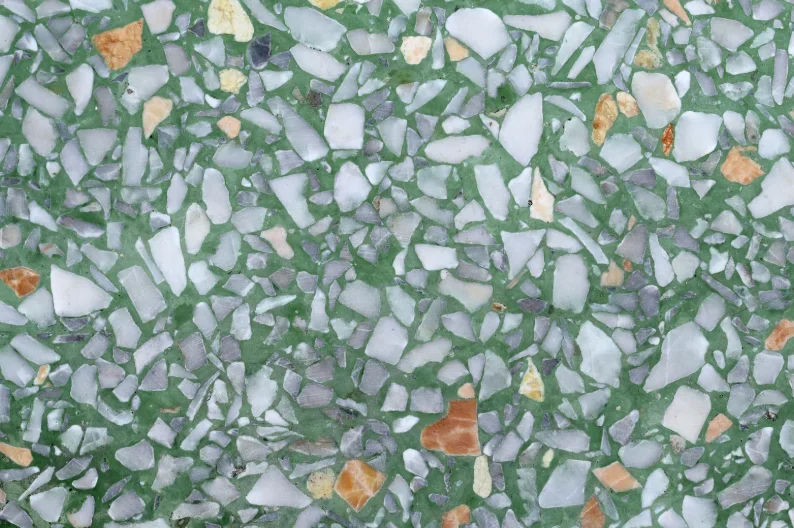
Terrazzo: The Comeback We Didn’t See Coming
Five years ago, mentioning terrazzo in a residential renovation conjured images of 1970s school hallways. Today, it is one of the most requested styles in kitchens and bathrooms. This turnaround is explained by a complete modernization of the compositions offered: current terrazzo plays with fine aggregates in bold contrasts (white and black, beige and green, pink and gray), in compact formats that integrate easily without taking over the entire room.
Ceramic tiles with a terrazzo effect have widely democratized this style: for 30 to 70 euros per m², you can achieve a result very close to real terrazzo (which requires on-site pouring and polishing, thus a much higher budget). 20×20 or 30×30 tiles with fine grout are perfect for backsplashes and bathroom floors. In large formats, the effect is more graphic and contemporary.
Terrazzo pairs very well with brushed brass (faucets, handles), light wood, and white or cream walls. To avoid: associations with overly busy wall patterns that compete with the tile composition itself.
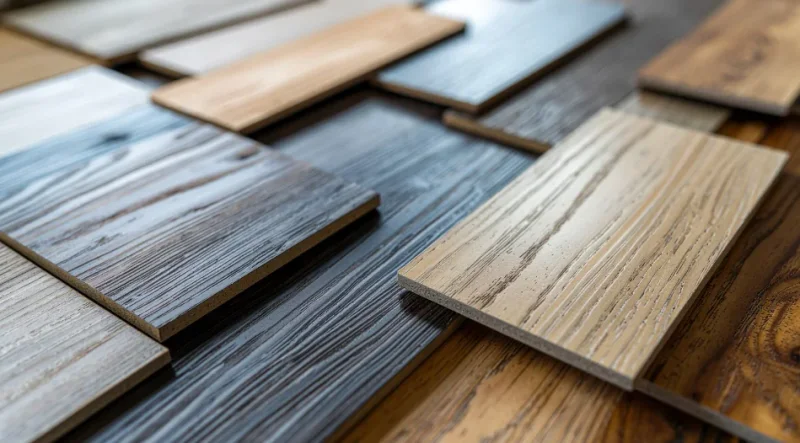
Wood Imitation: The Tile That Has Definitely Won This Battle
Wood imitation tiles have long suffered from a reputation for being too obviously fake. That era is over. Current digital printing technologies produce textures and grains with astonishing fidelity, with pattern variations that avoid systematic repetition from one tile to another. From a few meters away, the eye can no longer tell the difference from solid wood.
The decisive advantage of wood imitation tiles over parquet remains their resistance to moisture. In a bathroom, kitchen, or entryway exposed to the elements, they offer the aesthetic of wood without the maintenance constraints and swelling risks. Long formats (20×120 cm or 30×180 cm) enhance the illusion and give a very contemporary effect, especially when laid diagonally or in herringbone. The installation greatly influences the final result: two tiled rooms with the same model but two different layouts seem to have no common points.
The shades that work best right now are: bleached light oak, medium walnut with warm tones, and gray wood for coastal or industrial atmospheres. Very dark colors (wenge, ebony) are less in demand and show more marks in daily use.
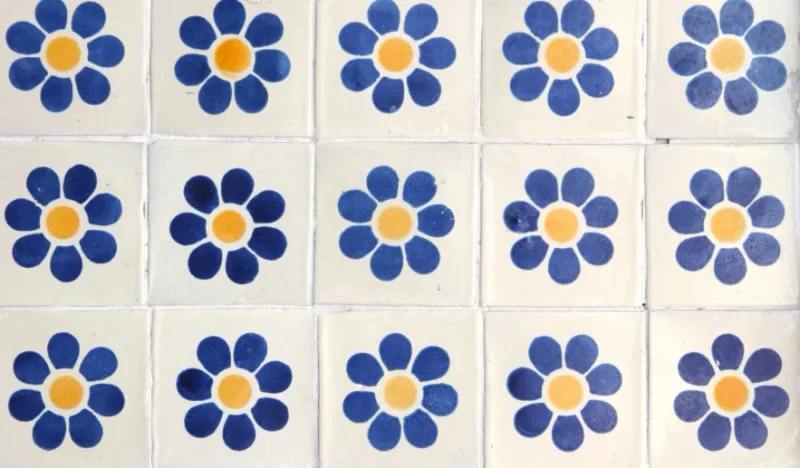
Cement Tiles: Character Without Noise
Cement tiles are a true tool for personalization. Their geometric, floral, or abstract patterns allow you to create a floor or wall that belongs only to you, in a color range that adapts to the ambiance of the room. Laid in an entryway, hallway, or kitchen, it sets the tone for the rest of the space without needing to add much more.
In ceramic tile imitation cement, maintenance constraints almost completely disappear: no more waxing, regular treatment, and sensitivity to stains that characterize traditional cement tiles. For high-traffic areas or families with children, this is the reasonable path. For those who want the authentic with all its patina, real cement tiles remain incomparable but require treatment upon installation and annual maintenance with wax or oil.
The current trend is moving towards more geometric and less floral patterns than previous collections: checkered, hexagons, broken lines. The palette has calmed down towards terracotta tones, sage green, petroleum blue, ochre, and off-white, moving away from the bright multicolors of 2018-2020. This evolution makes cement tiles easier to integrate into neutral interiors without the floor becoming the only focal point. For those juggling similar constraints in other rooms, the maintenance of outdoor tiles poses the same questions of grouting and finishing as indoors, with additional climatic constraints.
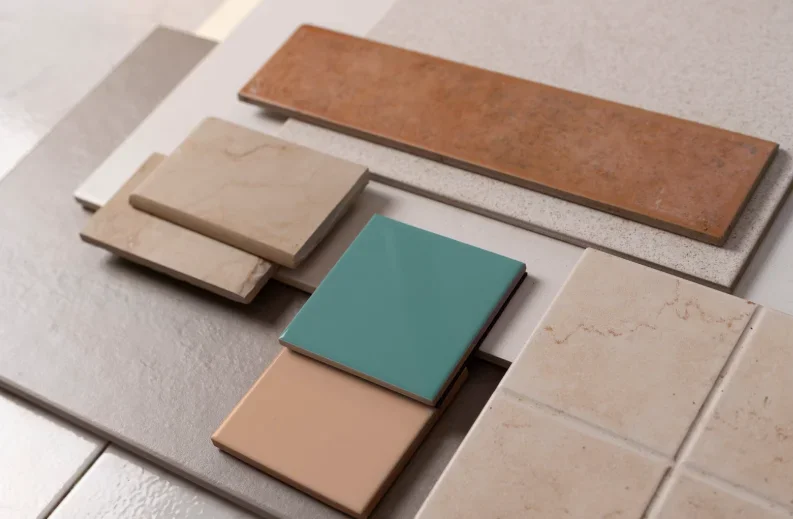
Travertine and Natural Stone: Accessible Luxury
Travertine is making a strong comeback after a long period in the shadows, but in a version very different from the golden bathrooms of the 2000s. The 2026 aesthetic focuses on both raw and soft: tiles with irregular veins, in cream, warm beige, or light gray tones, with softened finishes (brushed, patinated, aged) rather than the shiny polish of the past. The result evokes more of a contemporary Tuscan interior than a palace in the Emirates.
Ceramic tiles with a travertine effect democratize this style starting from 25-40 euros per m², with zero maintenance constraints (real travertine requires regular waterproofing treatment). In bathrooms, it creates a soft mineral atmosphere that pairs wonderfully with brushed brass fixtures and natural wood furniture. On the living room floor, laid in large format, it brings that mineral warmth that industrial gray tiles from the 2010s failed to create.
The trend of from floor to wall in the same material has taken hold this year: using the same tile or the same family of tiles on the floor and walls of a bathroom creates a very contemporary visual continuity, which enlarges the space and gives it a coherence that cannot be achieved otherwise. This requires precision in installation, particularly for the drying times of the grout that condition the final success of the project.
FAQ on Trendy Tile Styles
Is zellige difficult to maintain on a daily basis?
Traditional zellige, hand-glazed, is less porous than cement tiles but more sensitive to acidic products than industrial ceramic. Avoid white vinegar and acidic descalers on the glaze. A cleaning with soapy water is sufficient for daily maintenance. The natural color variation of zellige has the advantage of masking small marks and wear much better than a uniform shiny surface.
Can large format tiles be installed by oneself?
Technically yes, but it is significantly more demanding than 30×30 tiles. The substrate must be perfectly flat, the adhesive must be applied with a notched trowel over the entire surface (double gluing recommended), and lippage (discrepancy between two tiles) does not forgive on large slabs. If you have never installed tiles before, start with an intermediate format. For tiles of 80×80 cm and larger, an experienced installer avoids costly surprises.
Is terrazzo suitable for humid areas like the bathroom?
In ceramic tile imitation terrazzo, absolutely. Real poured terrazzo can absorb moisture if the waterproofing treatment is insufficient or aging. In ceramic tiles, ...