
Understanding Refrigerant Costs: Air Conditioners and Heat Pumps
Refrigerants are crucial for air conditioning and heat pump systems, yet their costs are often misunderstood. This article explores the pricing structure, environmental impacts, and signs of refrigerant loss.
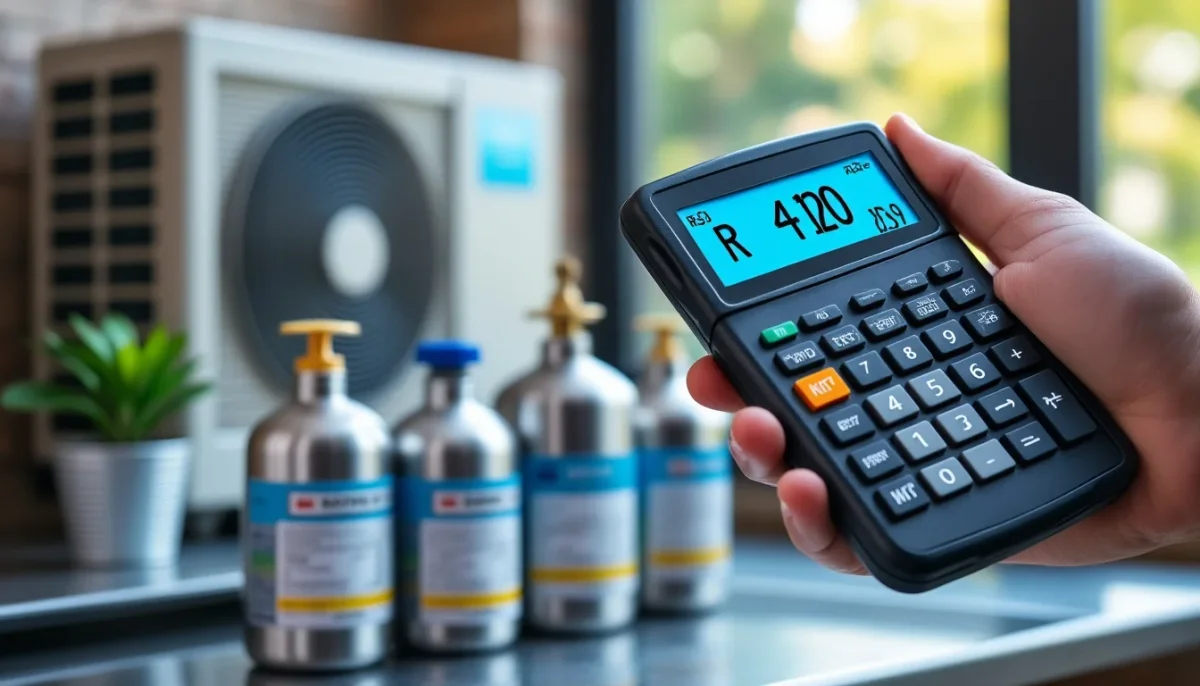
Refrigerants are essential to the operation of any air conditioning or heat pump system. However, their costs often remain unknown to the general public, typically discovered only during a breakdown or unexpected technical intervention. With various types of refrigerants available, evolving regulations, and rising specialized labor costs, it is crucial for homeowners to grasp the pricing structure of a recharge to manage their budgets effectively. Situations where a technician arrives without a prior estimate, resulting in bills exceeding 400 euros without clear explanations, are unfortunately common. Recognizing the difference between the cost of refrigerant and the service charge, identifying signs of a leak before it escalates, and understanding why R22 has become increasingly scarce are all practical insights that can facilitate smoother discussions with refrigeration professionals.
- A complete recharge typically costs between 150 and 400 euros, depending on the type of refrigerant and the amount needed.
- Technician travel fees range from 50 to 80 euros, sometimes included in the service package.
- An air conditioning unit in good condition should never require recharging: repeated recharges always indicate a leak.
- R32 and R290 are progressively becoming the standard refrigerants in newer equipment.
- The handling of refrigerants is restricted to certified technicians: no DIY interventions are legally permissible.
- Repairing a leak before recharging is mandatory to avoid damaging the compressor.
What the Price of Refrigerant Reveals in 2026
The line item labeled "refrigerant" on a bill conceals a much more complex reality than just a material cost. The price of refrigerants varies significantly based on their chemical composition, environmental impact, and the regulatory constraints governing their distribution.
For instance, R410A, commonly used in installations from 2000 to 2020, costs between 15 and 30 euros per kilogram for the refrigerant alone. While this may seem reasonable at first glance, a standard split air conditioning system requiring 2 to 4 kg during a recharge can quickly lead to refrigerant costs ranging from 80 to 200 euros, not including the technician's service.

The R32, which is found in most air conditioners installed since 2015, has a slightly higher cost, around 18 to 35 euros per kilogram. A complete recharge for this refrigerant ranges from 90 to 180 euros. However, this higher cost is offset by its superior energy performance and a climate warming potential that is half that of R410A.
The most challenging scenario involves older systems using R22, which has been banned for sale in Europe since 2015. This refrigerant is now only available through recycled channels, with prices sometimes reaching 50 to 90 euros per kilogram. For homeowners with older systems from the 1990s, the question of complete equipment replacement becomes pressing, as recharging with R22 can cost between 150 and 400 euros for the refrigerant alone.
On the other hand, R290 (natural propane) represents the future of refrigerants: costing between 8 and 15 euros per kilogram, it is significantly cheaper. However, it requires specially designed equipment for use, and its flammable nature necessitates installations adhering to strict safety standards.
Why Refrigerant Prices Have Changed in Recent Years
The European F-Gas regulation, gradually strengthened since 2015, has profoundly impacted the refrigerant market. By imposing production quotas on gases with high global warming potential, it has mechanically driven up the prices of certain refrigerants, particularly R410A.
This regulatory pressure is pushing manufacturers toward newer, less polluting refrigerants, although the distribution network for these alternatives is still being developed. Consequently, specialized technicians now face a rapidly changing market where knowing the right refrigerant for the right equipment has become a differentiating skill.
For homeowners, this means that refrigerant prices are not fixed; they fluctuate based on regulatory decisions, production quotas, and import dynamics. Comparing multiple estimates before any intervention remains the best safeguard against overcharging.
Breaking Down the Total Cost of an Air Conditioning Recharge
The cost of refrigerant is just one part of the overall bill. Understanding all the cost components can help avoid unpleasant surprises and ensure that the received invoice aligns with market realities.
The technician's travel fee is the first variable cost. Depending on the geographical area and the company, this fee ranges from 50 to 80 euros, sometimes included in a service package and sometimes charged separately. In the Paris region or on the Côte d’Azur, this fee can exceed 80 euros due to higher structural costs.
Next comes the preliminary diagnostic, which involves checking the pressures in the system before any recharge. This step is legally required and typically costs between 40 and 80 euros. It confirms the exact nature of the problem and prevents unnecessary recharges on equipment that has an unresolved leak.
The actual recharge labor costs an additional 60 to 120 euros. This operation is regulated: only a technician with a refrigerant handling certificate from an accredited organization can legally manipulate these substances. The training required for this certification logically impacts the pricing.
Adding these costs together yields a total range of 150 to 400 euros for a complete intervention, excluding any necessary leak repairs. This budget is crucial to anticipate, especially since some companies offer all-inclusive packages that may seem high at first but prove competitive once the various cost components are itemized.
The Special Case of Leak Repair Combined with Recharge
When a leak is diagnosed, merely recharging is insufficient. It is necessary to first locate and seal the leak before recharging the system. This scenario significantly increases the bill, depending on the problem's location.
A leak on a fitting or valve is the least expensive to repair, costing between 80 and 200 euros, bringing the total intervention budget to between 250 and 550 euros. A leak in copper tubing can escalate to 150 to 350 euros for repairs, totaling 300 to 650 euros. The most concerning cases involve a leak in the heat exchanger (condenser or evaporator), with repair costs ranging from 300 to 800 euros, pushing the total budget up to 1,100 euros.
In these extreme cases, replacing the outdoor unit may be more rational, especially if the equipment is over ten years old. An honest professional will always guide you toward the most economical medium-term solution rather than the most profitable repair for them.
Recognizing Signs of Refrigerant Loss Before Complete Failure
One of the most common mistakes is waiting until the air conditioning system fails entirely before contacting a technician. However, several warning signs allow for earlier intervention, often at a lower cost.
The first sign is a gradual decrease in cooling performance. If the ambient temperature drops more slowly than before, or if the indoor unit blows less cool air despite the thermostat being set the same, this is often the first indication of insufficient refrigerant levels. Many homeowners initially attribute this symptom to external heat, delaying diagnosis.
The presence of frost on the indoor unit or connecting pipes is a more difficult-to-ignore visual signal. This phenomenon occurs when the refrigerant pressure in the system is too low, causing an abnormal drop in temperature in certain parts of the system.
Unusual noises, such as hissing or gurgling in the system, can also indicate a leak. These sounds typically arise from air or moisture entering a refrigerant-depleted circuit.
Finally, an unexplained increase in electricity consumption warrants attention. A compressor running empty or underloaded to compensate for a lack of refrigerant consumes more energy for less output. Cross-referencing electricity bill readings with observed performance is a simple yet revealing habit.
- Insufficient cooling despite a clean filter and correctly set thermostat.
- Frost formation on pipes or the indoor unit during normal operation.
- Abnormal noises: hissing, gurgling in the pipes.
- Oil traces on fittings or copper connections.
- Increased electricity consumption without changes in usage habits.
- Frequent starting and stopping cycles of the compressor.
Before anything else, checking the condition of the indoor unit's filters is a reflex to adopt consistently. Clogged filters can reduce air conditioning performance by up to 50% with no connection to the refrigerant. Monthly cleaning during peak usage is cost-free and often sufficient to restore good efficiency.
Heat Pumps and Refrigerants: Specific Issues to Understand
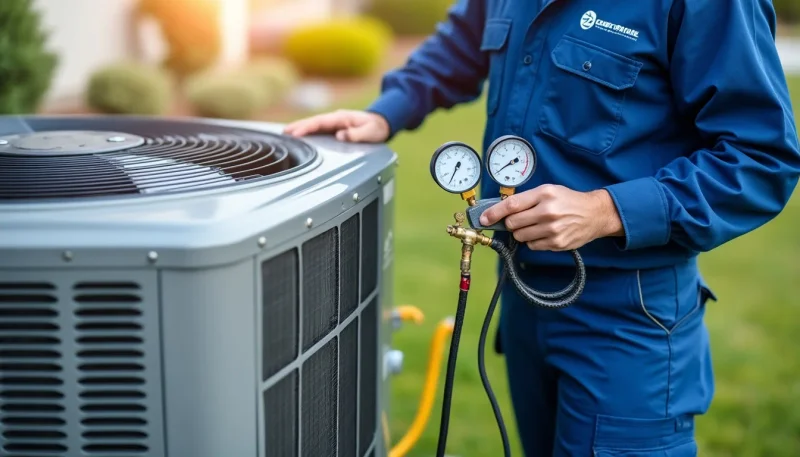
Heat pumps share the same thermodynamic principle as air conditioning systems, but their refrigerant requirements have some important distinctions that must be recognized.