Building Your Own Sauna: A Step-by-Step Guide to Creating a Personal Wellness Retreat
Explore how to build your own sauna with our comprehensive guide, covering types, materials, costs, health benefits, and step-by-step instructions.
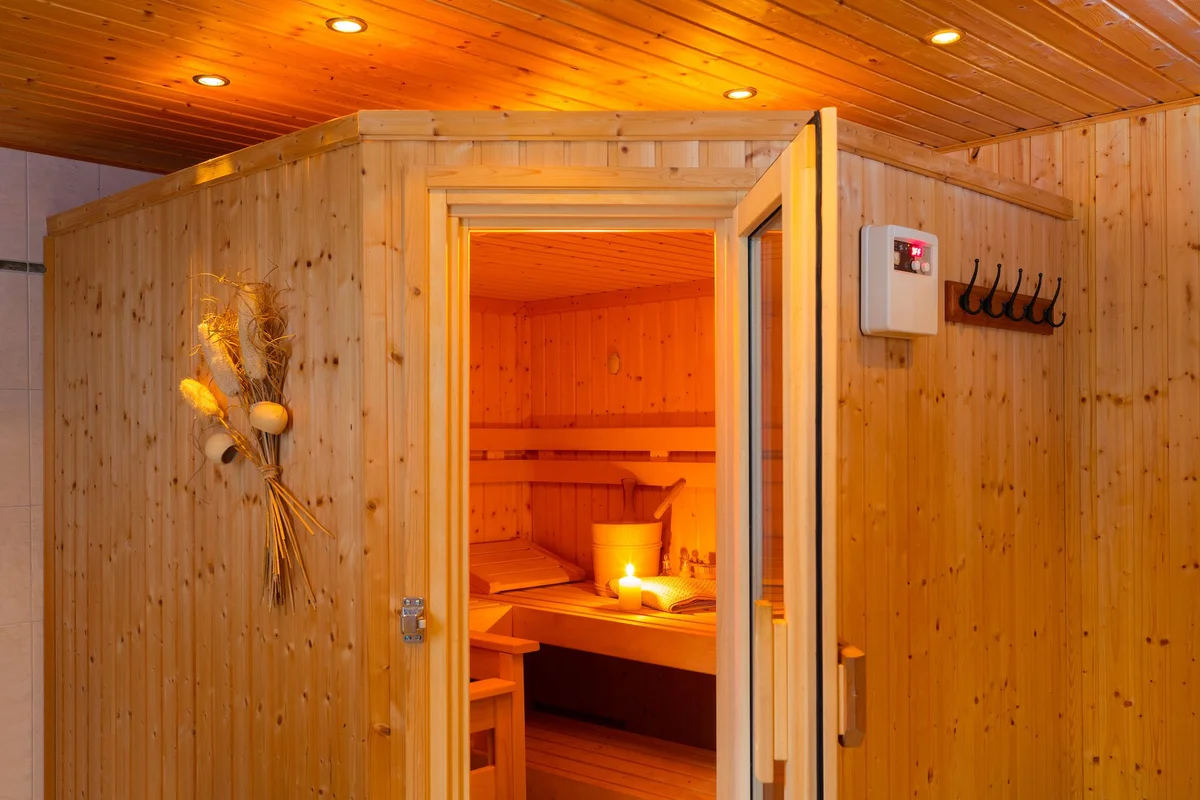
What Types of Saunas Can You Build?
You can create both outdoor and indoor saunas. For indoor options, you can customize the sauna to fit your available space, while outdoor designs can be planned as small structures in your garden.
What Materials Are Needed?
In addition to sufficient wood, you will need insulation materials such as cork, mineral wool, or hemp.
What Are the Costs Involved in Building a Sauna?
If you decide to build a sauna without a kit, you should expect to spend around €2,500. Alternatively, a sauna kit, like a mobile barrel sauna, can start at approximately €1,600.
For many, nothing beats the relaxation of a sauna session during the cold months. If you're dreaming of having your own sauna at home or in your garden, we provide insights on what to consider during construction, the recommended materials, and the costs you should anticipate.
1. The Health Benefits of Sauna Use
For centuries, the Finnish have understood the benefits of sauna bathing: not only does it provide incredible relaxation, but it also positively impacts health. Regular sauna use can stimulate your metabolism and circulation, keep your blood vessels elastic due to increased blood pressure, and boost your immune system.
For those suffering from chronic pain, the warmth can offer relief, and it can also help alleviate muscle tension. Additionally, consistent sauna use can improve skin appearance.
2. Key Considerations for Building Your Own Sauna
Before embarking on your sauna construction project, there are several factors to consider, such as whether you want an indoor or outdoor sauna and the type of wood you plan to use. Here are some tips to guide you in your “build your own sauna” journey:
The history of the sauna is rich; while the Finns are often credited with its invention, similar practices existed in East Asia over 1,500 years ago. Archaeological evidence suggests that even during the Stone Age, hot stones were placed in caves and doused with water.
- Space Requirements: Don’t plan for a sauna that’s too large. You should allocate approximately 1 to 1.5 square meters per person. Thus, for a sauna accommodating four individuals, a space of 4 to 6 square meters is advisable.
- Location: If you’re constructing an indoor sauna, such as in a basement, ensure there is adequate space from the walls, ideally at least 10 cm. Also, the ceiling height should be a minimum of 1.90 meters for comfortable seating. Ensure a waterproof floor and sufficient air circulation in the room.
- Type of Sauna: Decide whether you want a pre-fabricated sauna or if you prefer to build one from scratch. Options include garden sheds, mini saunas, or barrel saunas. A barrel sauna can be transported as a trailer, while a traditional Finnish sauna is a solid structure built from blocks that doesn’t require additional insulation due to its wall thickness. A wood-element sauna is constructed in layers, typically using a chipboard for insulation.
- Materials: The best wood choices for sauna construction include spruce, Abachi wood, or Hemlock. These types do not splinter or resin and can withstand moisture effectively.
- Stove and Connections: You can choose from wood stoves, electric heaters, or infrared heaters. Note that an electric heater requires a high-voltage connection.
- Sauna Accessories: Purchase essential accessories such as the sauna door, stove, ventilation flaps, and control unit. To enhance your sauna experience, consider adding infusions, sauna lamps, buckets, ladles, and a thermometer or hygrometer.
Important: Depending on the size, you may need to obtain a building permit. This requirement varies by region and is often based on the built area or floor space. In many areas, outdoor saunas exceeding 10 square meters require permission. If you plan to install a wood stove, consult your chimney sweep, as a wood stove sauna is classified as a heating facility and must be approved. Most saunas, however, are equipped with electric heaters.
3. Step-by-Step Guide: Creating Your Wellness Oasis at Home
If you’ve decided to build a sauna without a kit, follow these steps to ensure proper wall construction and insulation:
- Project Planning: Ensure there is adequate space and that ventilation is accounted for, along with any necessary connections. Consider the number of users and the corresponding size of the sauna in your plans.
- Wall Construction and Insulation: Start with a sturdy frame made of wooden beams. Use high-quality vapor barriers and insulation materials to prevent heat loss. The insulation should be placed between the wooden beams of the frame. Cover the insulation with a vapor barrier to stop moisture from penetrating the walls. Finish the interior walls with wooden panels, ensuring they are mounted with sufficient space from the ceiling and floor for good air circulation.
- Benches: Install benches made from the same wood as the wall paneling. In traditional saunas, benches are usually arranged on two levels, with the wall serving as a backrest.
- Leave the installation of the heating system to a professional for safety reasons.
- Construct the door and any windows using heat-resistant glass.
- Sand down the wood to eliminate splinters and sharp edges.
- Create a pleasant atmosphere in your sauna with suitable lighting and accessories.
4. Purchasing Sauna Accessories
No products found.