Designing a Veranda: Choosing Furniture for Lasting Comfort
Explore essential tips for designing a comfortable and functional veranda. Discover how to select furniture that adapts to changing light and temperature for lasting enjoyment.
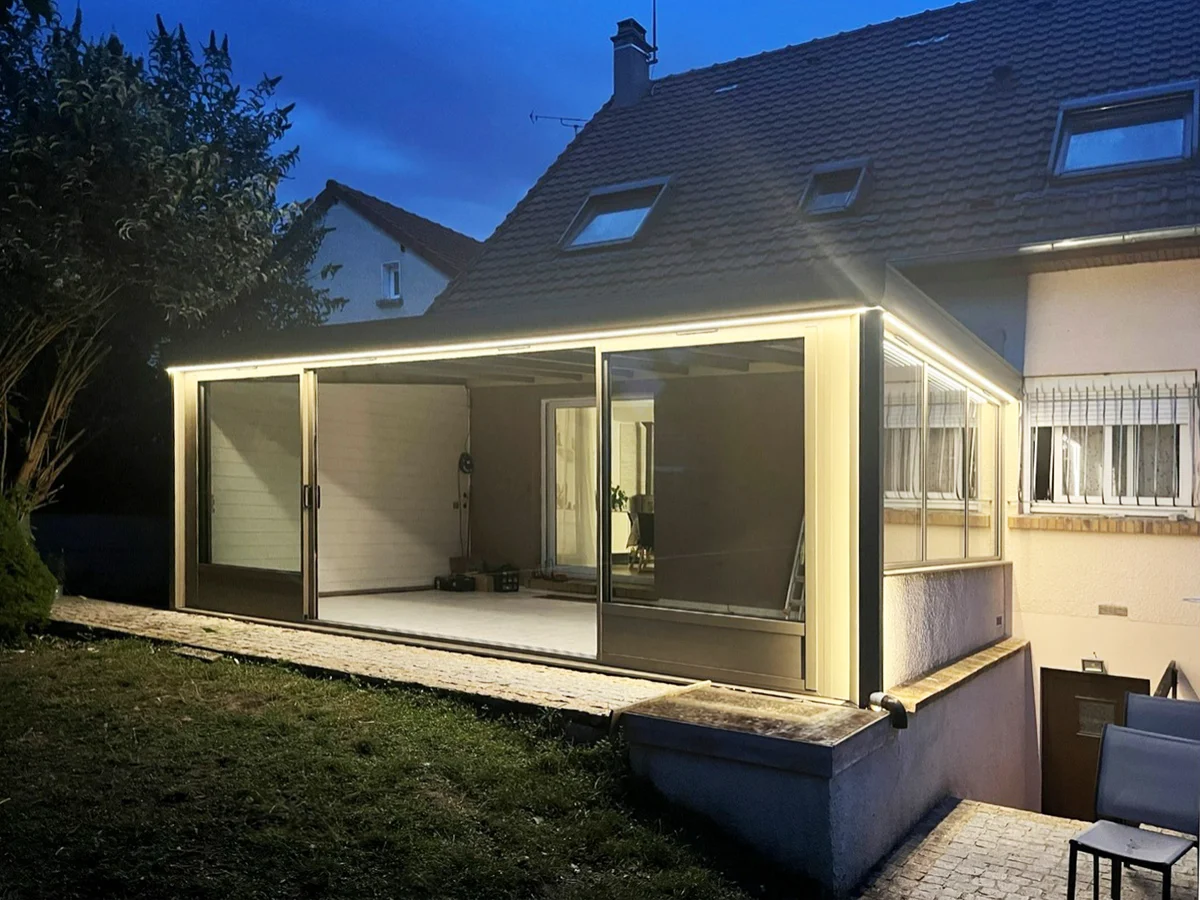
Creating a veranda is often motivated by similar desires: an abundance of natural light, an enhanced view of the outdoors, and the vision of a pleasant space that bridges the living area and garden. While it may seem that only a few pieces of furniture are needed to establish a cozy corner, achieving this balance requires careful consideration.
Stéphane Micheneau, manager of Verre Claire and a veranda specialist in Oise, emphasizes that a veranda does not function like a traditional room. It is in constant interaction with the outside environment. Temperatures can rise quickly under the sun and drop as light diminishes. Additionally, heating can dry the air, which may regain some humidity naturally. These subtle yet persistent fluctuations directly influence the comfort level within the space.
Yannig Le Hir, manager of Brindouest in Lesneven and a furniture and decoration expert for over 30 years, notes that in this context, furniture is not just about aesthetics. The right choices dictate how the space is utilized throughout the day. When well-selected, furniture can maximize the area’s potential; conversely, poorly chosen items can lead to discomfort, such as seating that feels pleasant in the morning but less so in the evening.
Rethinking Veranda Design
The instinct often leans toward replicating a traditional living room setup: a deep sofa, a substantial coffee table, and a defined arrangement. While this may seem logical, it rarely stands the test of time in a veranda.
In such spaces, light amplifies the presence of furniture. A sofa that feels balanced in a living room may appear bulkier in a veranda, especially when sunlight enhances contrasts. At certain times, this effect can make the area feel more cluttered than it actually is.
Temperature also affects perception. Heavy furniture can trap heat when exposed to sunlight, taking longer to cool down as the temperature drops. Conversely, some surfaces may feel cooler as the day progresses. These are not flaws but factors that should be considered. A veranda necessitates furniture that can adapt to a shifting environment without exacerbating these variations.
Common Mistakes
One frequent error pertains to the volume of furniture. Overcrowding or using oversized pieces can quickly diminish the sense of space, particularly in brightly lit areas.
Another mistake involves placement. Positioning seating directly against the glass allows for beautiful views but also exposes occupants to significant temperature variations. A spot that is comfortable in full sun can become less so as temperatures decrease.
Circulation is often overlooked. Movement in a veranda is more frequent than one might assume. A dense arrangement can hinder natural flow and reduce overall enjoyment.
Lastly, material choices are sometimes made without regard to their actual behavior. Some materials react quickly to changes in air and temperature, making a surface feel neutral at one moment and cooler or slightly damp a few hours later.
The Sofa: Striking the Right Balance
The sofa is a central element, immediately setting the tone and comfort level of the space.
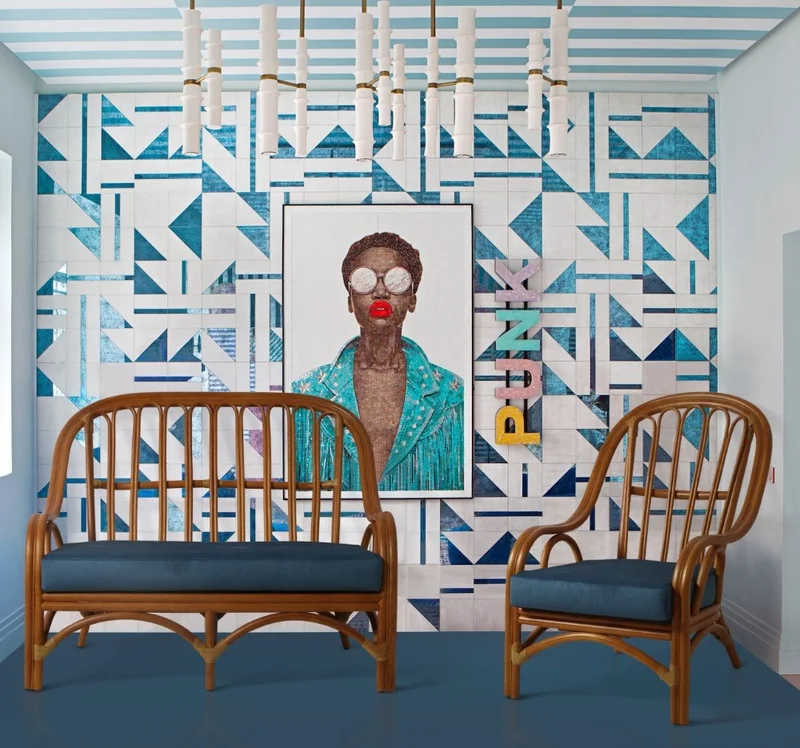
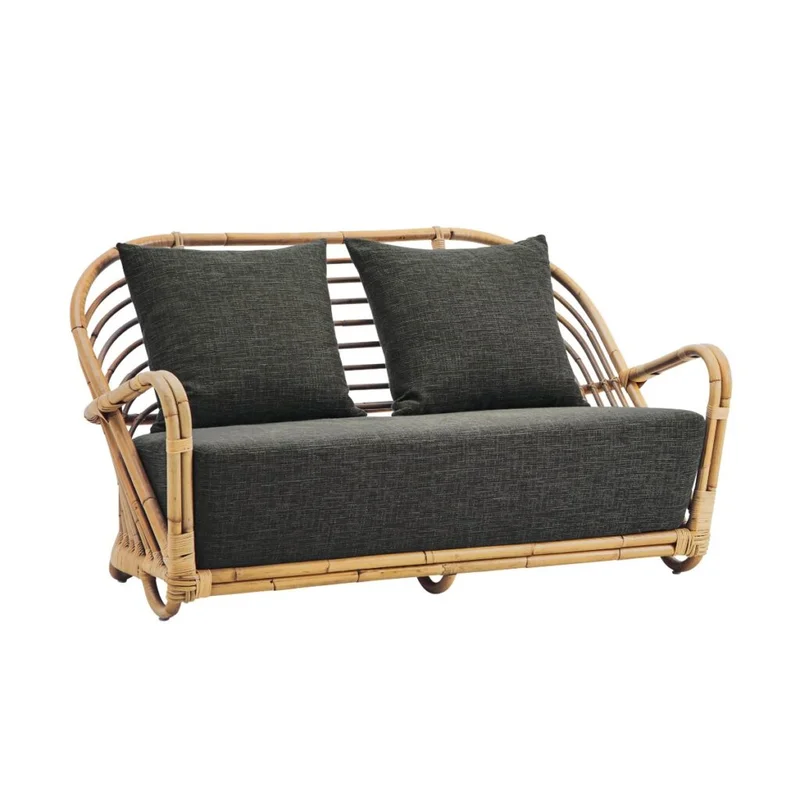
In a veranda, a bulky model can be limiting. It absorbs heat in direct sunlight and takes longer to adjust when temperatures drop. Conversely, certain areas of the seating may feel cooler in the evening, especially if positioned near glass.
A well-proportioned sofa mitigates these effects, maintaining a more consistent comfort level and ensuring the space does not feel overcrowded.
Its placement is equally crucial. A slight distance from the glass can often enhance comfort throughout the day without sacrificing natural light.
Chairs: Flexible Adaptation
Chairs provide a versatility that sofas cannot match.
In a veranda, conditions change throughout the day. A pleasant spot in the morning may become too hot at midday and cooler by evening. Chairs allow for adjustments to these shifts without hassle.
They can be moved to follow the light, avoid overly warm areas, or settle in cooler spots. This adaptability aligns perfectly with the actual use of the space.
Visually lighter models also help prevent the area from feeling heavy and maintain good circulation.
Coffee Tables: Daily Functionality
Coffee tables are in constant use, serving as a central point for everyday items.
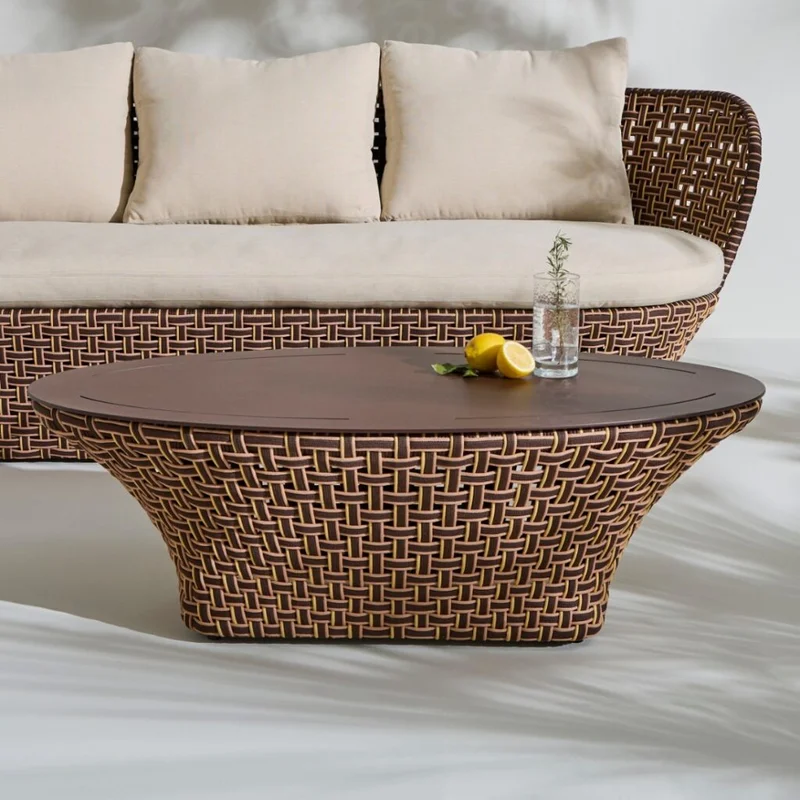
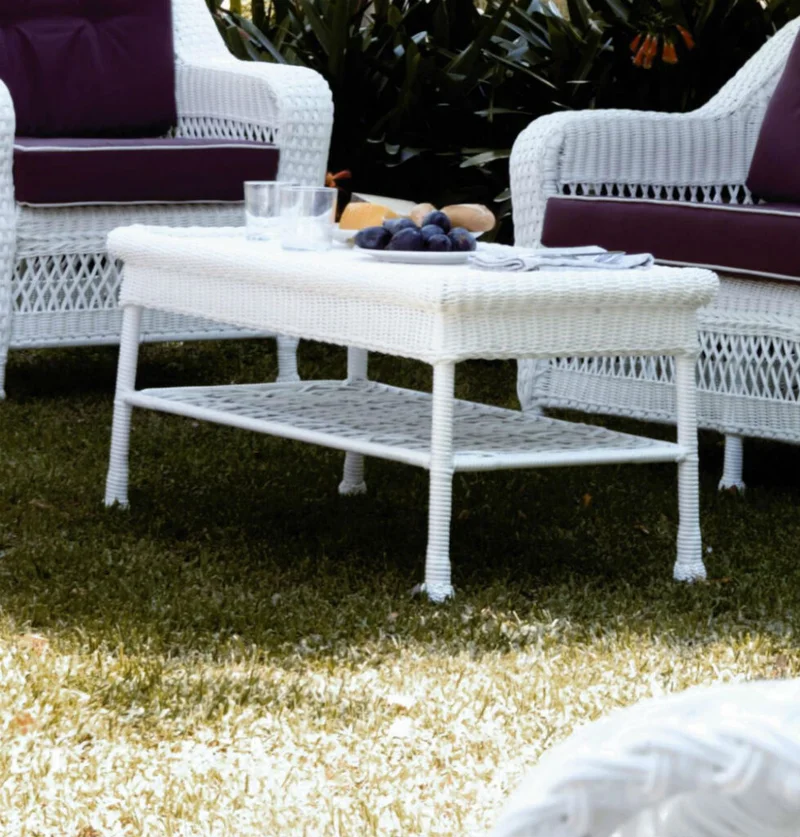
In a veranda, this contact is particularly pronounced. A surface can heat up in the sun and then quickly cool down. Some materials may retain a slight dampness as air conditions change.
An appropriately designed coffee table can minimize these discrepancies and ensure a comfortable daily experience.
Its dimensions should also fit the space; an oversized table can obstruct movement, especially in a room where positions are frequently adjusted.
Storage Solutions: Organizing Without Overloading
Storage furniture is crucial for maintaining an inviting atmosphere.
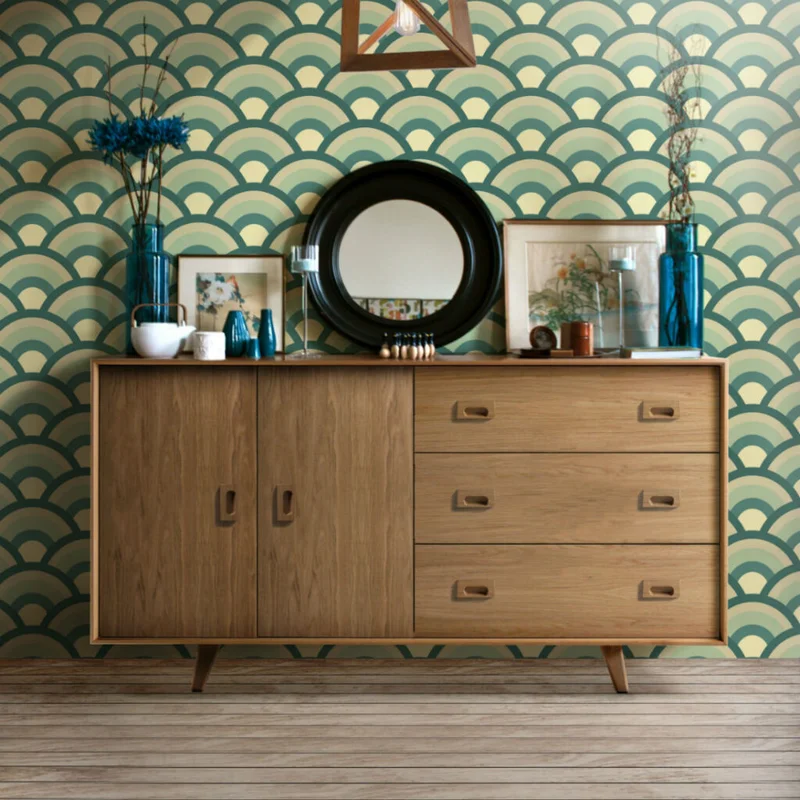
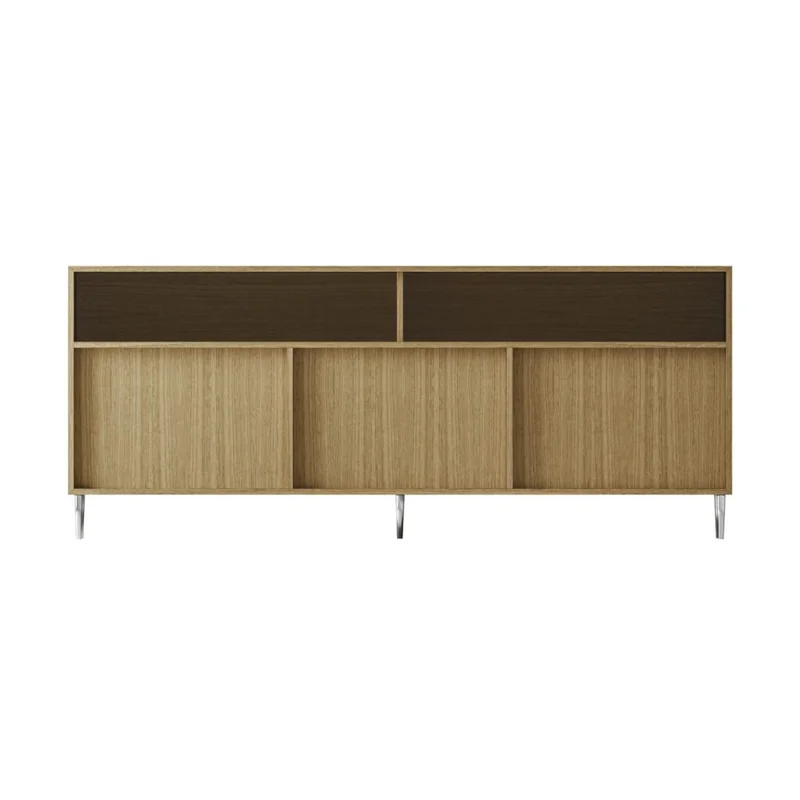
In a veranda, everything is more visible. The light highlights objects, making clutter more apparent. Adequate storage helps keep the space looking tidy and visually calm.
The choice of storage unit is vital. A bulky piece can weigh down the overall aesthetic and intensify heat retention when exposed to sunlight. In contrast, a well-proportioned unit integrates seamlessly.
Buffets are particularly advantageous in this setup, allowing for the organization of everyday items without excessive clutter. Rattan buffets, especially those featuring caned sections, appear lighter visually and fit well within a veranda environment.
Placement: A Decisive Factor
Comfort is influenced as much by furniture placement as by the selection itself.
Areas near glass are the most exposed and fluctuate throughout the day according to light and temperature.
A slightly offset arrangement can help manage these variations, creating a more uniform space.
Leaving space around furniture aids circulation and enhances the overall livability of the room.
Designing a veranda requires an understanding of how it operates. Light, temperature, and humidity directly impact comfort levels. The choice of furniture must reflect this reality. Well-proportioned, appropriately placed, and condition-appropriate furniture can create a pleasant space over time. It is this harmony between use and environment that truly makes a difference.