Double-Faced Fireplace Inserts: Functionality and Costs
Discover the functionality, benefits, and cost considerations of double-faced fireplace inserts, a stylish and efficient heating solution for modern homes.
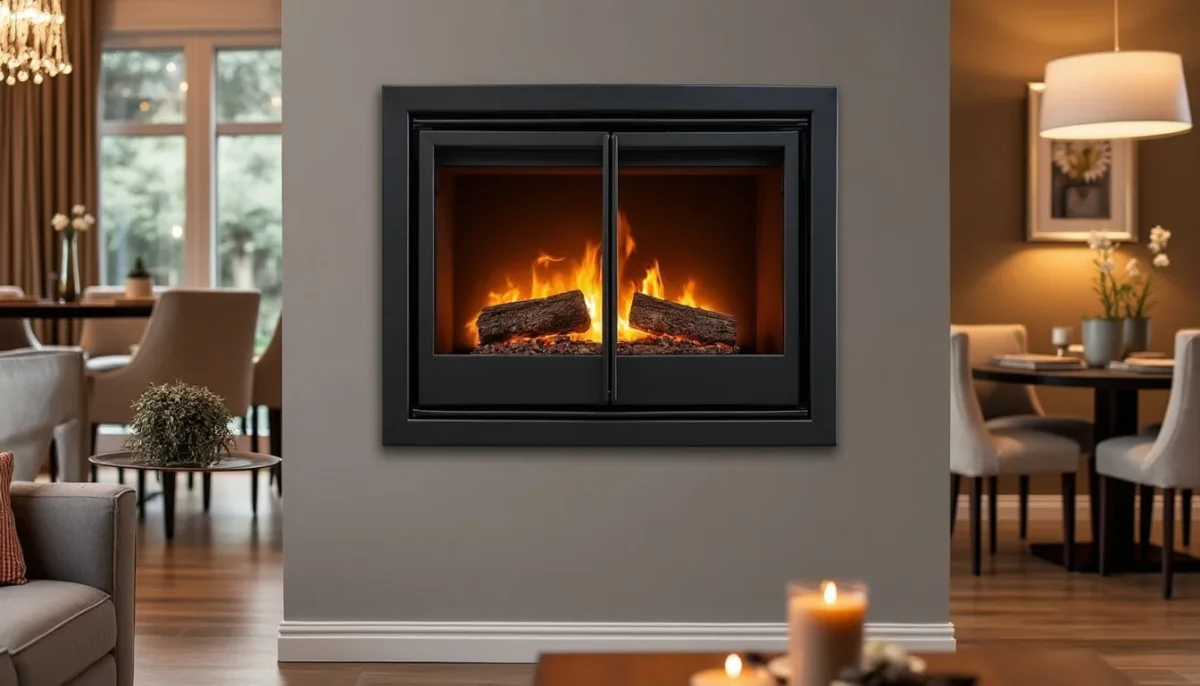
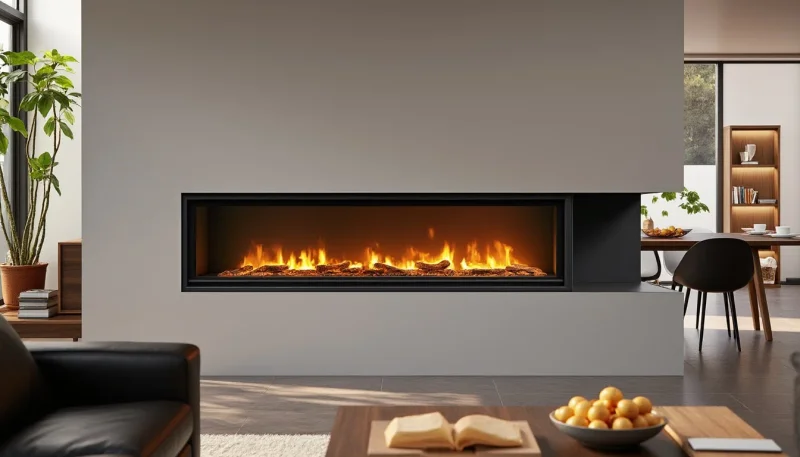
Installing a double-faced fireplace insert represents a bold choice that combines thermal efficiency with contemporary aesthetics. This unique device literally extends through a wall, allowing flames to be viewed from two distinct rooms, creating a shared ambiance between spaces like a living room and dining area or a master bedroom and living space. As homeowners increasingly seek to lower their energy bills while enhancing their interiors, this type of installation is gaining popularity among those looking for comfort and energy management.
However, the visual appeal of these inserts comes with technical, regulatory, and financial considerations that potential buyers should understand before proceeding. Questions regarding expected efficiency, preferred materials, and budget—covering purchase, installation, and any necessary structural work—are critical. These practical concerns, informed by years of observations on various projects, guide the following discussion.
- In Summary:
- A double-faced insert is installed within a load-bearing wall or partition to provide a view of the fire from two rooms.
- Energy efficiency can reach 75 to 90%, significantly higher than that of a traditional open fireplace.
- The price for a double-faced insert ranges from €1,500 to €4,000 for the unit alone, excluding installation and additional work.
- Installation requires a qualified professional and must adhere to strict standards, including EN 13229.
- Various materials are available—steel, cast iron, and refractory materials—each with its own advantages.
- The Flamme Verte label ensures a good balance between efficiency and low pollutant emissions.
- Regular maintenance, including flue cleaning and glass cleaning, is essential to maintain performance.
Understanding the Functionality of Double-Faced Inserts
A double-faced fireplace insert functions as a closed hearth with two opposing glass panels. It is embedded within a traversing wall, allowing two spaces to benefit from both the radiant heat and the visual spectacle of the fire simultaneously. This design not only enhances aesthetics but also doubles the thermal diffusion efficiency, eliminating the need for two separate heating devices.
The combustion process relies on wood logs, with air introduced in a controlled manner through a double or triple combustion system. In the case of double combustion, unburned gases from the initial phase are reintroduced into the firebox at high temperatures, allowing them to combust a second time. This significantly reduces carbon monoxide emissions and enhances the overall efficiency of the device.
Some models include a third air intake, further optimizing the combustion process. Recent installations in a renovation project in Bordeaux demonstrated that these systems can significantly reduce wood consumption without compromising heating power.
Heat is distributed from both sides through integrated fans that accelerate the circulation of warm air in both rooms. In the absence of forced ventilation, heat disperses solely through radiation and natural convection, which is suitable for smaller spaces. For larger areas, a ventilation kit becomes nearly essential.
Structural Considerations for Installation
Integrating a double-faced insert into a wall presents significant structural constraints. The wall must support the weight of the unit, which can exceed 200 kg depending on the model. Reinforcing the foundation or creating a dedicated slab may be necessary, particularly for cast iron versions.
The wall's depth must also match the insert's depth. If the partition is too thin, additional work to thicken it or a specific casing will be required. Conversely, a wall that is too thick may necessitate creating a symmetrical niche on both sides to ensure optimal visibility of the flames.
This type of project is ideally suited for new constructions, where all aspects can be planned from the design phase. In renovation contexts, a prior technical study is essential. However, the opportunity is significant: one fireplace, one flue, and one installation can effectively heat two rooms. When well-planned, this approach can provide substantial long-term economic benefits.
Technical Criteria: Materials, Dimensions, and Power
Choosing a double-faced insert without considering its technical specifications can lead to regrets for many buyers. The nominal power, measured in kilowatts, determines the area the unit can effectively heat. An 8 kW insert is suitable for heating approximately 80 to 100 m² of well-insulated space, while a 12 kW unit is necessary for larger volumes or homes with less effective insulation.
Energy efficiency is another crucial indicator, representing the percentage of energy contained in the wood that is converted into usable heat. An efficiency of 80% means that only 20% of the energy is lost. In contrast, a traditional open fireplace has an efficiency of around 10%, making it an energy drain. A well-chosen double-faced insert can achieve efficiencies between 75 to 90%, fundamentally altering the economic equation.
Material Choices: Steel, Cast Iron, or Refractory
The heating body can be constructed from steel, cast iron, or refractory materials. Steel heats up quickly, warming the room within minutes of ignition. It is lighter and generally less expensive but less durable against repeated thermal shocks over time.
Cast iron, on the other hand, retains heat and gradually releases it, even after the fire has gone out. This thermal inertia is especially valued in regions with harsh climates. Its significant weight, often exceeding 250 kg for larger models, requires specific structural precautions.
Refractory materials, often used in conjunction with steel or cast iron, optimize combustion by maintaining high temperatures in the firebox. They also contribute to the thermal insulation of the unit, protecting outer walls from overheating. The choice of material will depend on the intended use, available budget, and structural constraints of the home.
In high-end construction projects, contractors often recommend cast iron bodies with refractory linings for durability. For a weekend residence, a steel model would suffice.
Budgeting for a Double-Faced Insert
The cost of a double-faced fireplace insert often captures immediate attention. It is a significant investment, but its profitability is realized over time. The price of the unit alone varies based on several factors: viewing surface area, power, material quality, and technological sophistication.
Entry-level models start at around €1,500. Mid-range versions, featuring integrated ventilation kits and finishing frames, range between €2,000 and €4,000. High-end models, equipped with remote control, self-cleaning glass, and custom casings, can exceed €5,000.
Installation and Masonry Costs
In addition to the unit's price, installation costs are substantial. Professional installation typically ranges from €800 to €1,500, depending on the complexity of the project. If masonry work is required to create or adapt an opening in the load-bearing wall, expenses can escalate quickly.
Connecting to the flue is another significant expense. If the house lacks a suitable flue, creating one or lining an existing flue with stainless steel can cost between €500 and €1,500, depending on height and configuration.
It is advisable to obtain multiple detailed quotes and ensure that the installer is certified. Certain financial aids, such as tax credits or subsidies from the National Housing Agency, may help reduce costs, subject to income conditions and the performance of the chosen device.
Choosing the right wood is also crucial; some types are unsuitable for heating as they provide little energy or quickly clog the flue. Selecting dry and appropriate wood is essential for maintaining good efficiency and minimizing soot deposits.
Long-Term Savings and Return on Investment
Despite the significant initial investment, a double-faced insert can lead to substantial savings on heating bills. Wood remains one of the cheapest fuels, with log prices estimated at €0.038 per kWh and pellets at about €0.062 per kWh. Compared to gas or electricity, the cost advantage is considerable.
A unit with an efficiency of 85% will consume significantly less wood than a less efficient device to heat the same space. Over a full heating season, this difference can translate into hundreds of euros in savings. Considering the unit's lifespan of over 20 years with proper maintenance, the return on investment is tangible.
Regulations, Standards, and Safety
The installation of a double-faced fireplace insert is not a matter of improvisation. It is governed by technical norms that ensure safety and efficiency. Compliance with these regulations is essential to guarantee the safe operation of the appliance and to protect the integrity of the home.