Matte Black Epoxy Paint: Uses and Applications
Matte black epoxy paint is more than a color choice; it is a durable and elegant solution for various surfaces. Discover its applications in flooring, metal, walls, and furniture renovation.
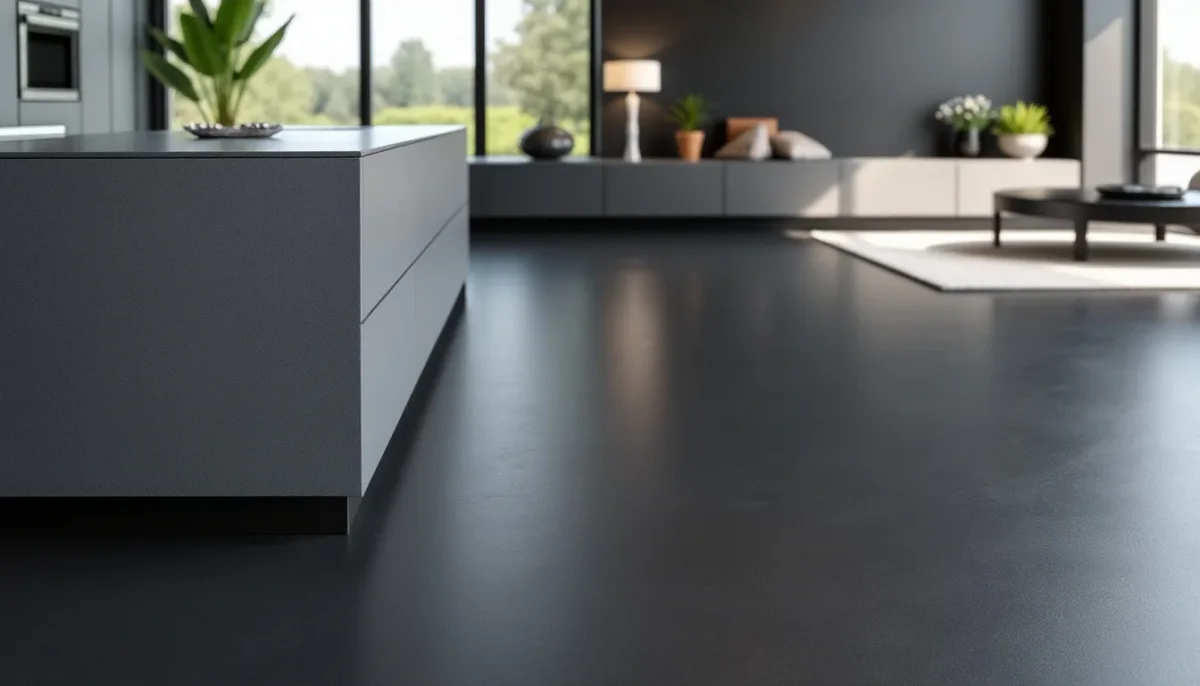
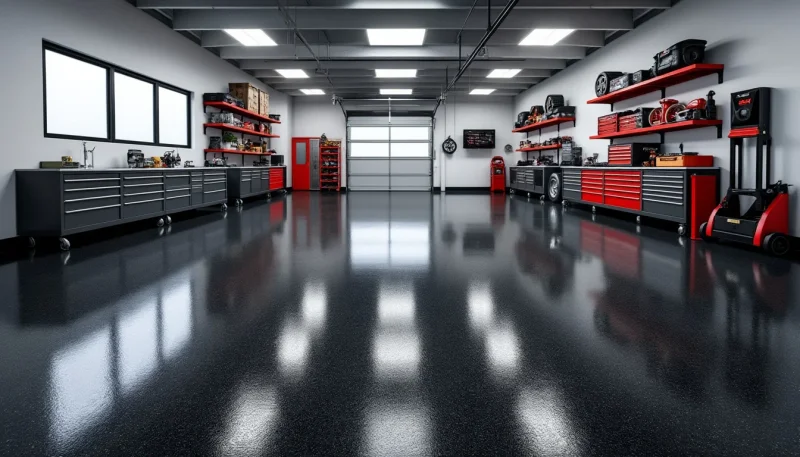
Matte black has a captivating allure. It asserts itself, structures, and adds character to surfaces without being overly ostentatious. Over the years, matte black epoxy paint has evolved into more than just a color choice; it represents both a technical and aesthetic decision. From renovated garages to industrial floors, and from refurbished furniture to metal body parts, this finish has become a benchmark for those seeking a blend of durability and understated elegance. Its ability to adapt to radically different contexts while maintaining a strong visual coherence is striking. For instance, an epoxy-treated garage floor transforms the space, giving it the appearance of a professional workshop rather than just a storage area. This is just one of many examples.
In summary:
- Matte black epoxy paint is suitable for a wide range of substrates: concrete, metal, wood, and tiles.
- It offers high resistance to impacts, chemicals, and moisture.
- Various formats are available depending on the use: professional 2K systems, aerosols, touch-up pens, wall paints, and powder coating.
- Proper surface preparation is the most critical step to ensure the coating's durability.
- Matte black effectively conceals minor imperfections better than glossy finishes, simplifying daily maintenance.
- Each application (floor, wall, metal, furniture) requires an appropriate formulation to achieve lasting results.
Matte Black Epoxy Paint on Floors: A Finish That Transforms Spaces
Few flooring options provide as much visual impact as concrete treated with matte black epoxy. The surface becomes dense, uniform, and almost architectural. This is exactly what homeowners renovating a garage, workshop, or even a spacious kitchen with a clear industrial intent seek.
Technically, epoxy on concrete acts as a waterproof film. It prevents moisture infiltration, protects the slab against oils and fuels, and withstands frequent traffic without degrading. In a garage where vehicles are parked, tools are handled, and mechanical work is performed, this is a significant advantage. The matte finish does not reflect light, which helps to minimize tire marks and shoe prints much better than a glossy finish.
The success of the project hinges entirely on surface preparation. A cracked, greasy, or damp concrete surface will never hold the resin properly. Deep irregularities must be filled before any application, followed by meticulous degreasing of the surface. Mechanical sanding enhances adhesion. Residual moisture in the slab is the primary enemy: a freshly poured slab or an area exposed to rising damp must be properly dried before treatment.
Application typically involves two crossed coats using a lint-free roller that is solvent-resistant. The first coat penetrates the pores of the concrete and consolidates adhesion, while the second provides coverage and the desired finish. Adhering strictly to the product's indicated recoat time is non-negotiable: if applied too soon, the binder will not set properly; if too late, the bond between layers may be compromised.
Complete curing of a matte black epoxy floor generally takes between five and seven days before it can accept vehicle traffic. Patience is not optional here; it is a condition for durability. A well-applied floor can last ten to fifteen years, or even longer, under normal usage conditions.
Metal Applications: Bodywork, Mechanical Parts, and Industrial Structures
Metal and matte black epoxy form a particularly effective duo. The resin adheres well to prepared metal surfaces, creates a robust anti-corrosion barrier, and offers an aesthetic finish that meets both automotive and industrial demands. This is one of the oldest and most mastered uses of this category of products.
2K systems, composed of a resin and a hardener mixed just before use, are particularly suited for automotive and mechanical parts. This formulation generates a chemical reaction that produces an extremely hard film, resistant to solvents, oils, and impacts. For classic vehicle bodywork restoration or undercarriage parts, this format ensures lasting protection without the need for an additional topcoat, simplifying the process and reducing the risk of surface defects.
Powder coating represents the pinnacle for industrial applications on steel and aluminum. The powder is applied via electrostatic projection and then cured in an oven, typically between 160 and 200 °C depending on the formulation. The result is a homogeneous film that is extremely resistant to abrasion, free of runs and irregularities. This technique is commonly used for metal joinery, display structures, gates, office furniture, or decorative interior elements made of metal. The matte black achieved through powder coating has an unparalleled depth of color, very close to RAL 9005.
For touch-ups on existing matte black surfaces, such as a scratched rim or a scuffed bumper, a touch-up pen offers a quick and discreet solution. Equipped with an integrated applicator, it allows for the application of a fine localized layer of paint without specialized equipment, ideally suited for touch-ups covering an area of a few square centimeters. For larger areas, an aerosol can provides better uniformity of tone and texture.
The matte black aerosol paint is highly versatile. It is suitable for metals, rigid plastics, composite materials, and certain wood substrates. Its use requires good ventilation in the workspace and careful masking of areas to protect. When maintained at the correct distance and applied in light crossed layers, it produces a uniform matte finish without marks. This is the tool of choice for quick touch-ups, model-making projects, or small pieces that need customization.
Matte Black Epoxy Paint on Walls and Interior Surfaces
The use of matte black on interior walls may be surprising at first. However, when used judiciously, it can create remarkable effects. A wall treated in matte black in a hallway, behind a TV unit, or as a backdrop for a bookshelf creates unexpected depth, making the space feel more expansive and enhancing the clarity of objects placed in front.
Matte black wall paints, especially those formulated with water-based components, offer several practical benefits. They are breathable, allowing water vapor to pass through and naturally regulating ambient humidity. This is particularly important in poorly ventilated rooms. They emit no strong odors and can be applied with a roller or brush on plaster, wallpaper, wood, and slightly porous substrates, drying quickly.
A good-quality matte wall paint typically achieves satisfactory coverage in two coats without requiring a prior base coat. On more absorbent substrates, a primer layer will improve the uniformity of the final finish. It is advisable to work in continuous sections to avoid visible touch-up marks, which are more noticeable on dark shades than on lighter tones.
For interior surfaces needing increased resistance to impacts, splashes, and frequent cleaning, such as kitchens or bathrooms, a paint with a slight waterproof component or a satin-matte finish is more appropriate than a pure matte. The matte finish absorbs splashes slightly and may dull over time in high-traffic areas. This is a compromise that should be carefully evaluated based on the intended use of the room.
When paired with well-installed baseboards, the matte black wall gains clarity. The precision of corner baseboard cuts is a detail that significantly enhances the perceived quality of a renovation. Those looking to work with accuracy without complex tools will find it helpful to refer to techniques for cutting a baseboard at 45 degrees without a miter box, an accessible method that refines peripheral finishes.
Renovating Furniture and Decorative Surfaces: Matte Black as a Stylistic Signature
Renovating a piece of furniture with matte black paint gives it a new life while imparting a contemporary character. This approach has become highly popular in interior decoration projects where there is a desire to enhance existing pieces rather than replace them. An old dresser, a reclaimed shelf, or a worn mirror frame can all regain visual unity and a strong presence in the space when painted in matte black.
Chalk paint or chalk-like paints, designed for direct application without sanding on most surfaces, greatly simplify the process. They adhere to wood, painted metal, ceramics, and even certain plastics, provided the surface is clean and degreased. The matte finish is pronounced, resembling a velvety texture that pleasantly captures low-angle light. A finish with neutral wax or matte varnish protects the surface and enhances resistance to daily wear.
This approach aligns with a trend of reuse and personalization increasingly observed in home renovation projects. Instead of investing in new furniture, existing items are transformed. Matte black is particularly effective in unifying a disparate set: chairs of different styles painted the same shade immediately form a coherent ensemble around a table.
For polished concrete countertops, surface treatment plays a crucial role in both durability and aesthetic outcome. A well-renovated countertop with the right products can regain a new look in just a few hours. Specialized guides on how to renovate a polished concrete countertop help navigate this step methodically, avoiding common mistakes that compromise the final finish.
On exterior surfaces like concrete window sills, weather resistance becomes a crucial criterion. Choosing an appropriate paint formulated to withstand freeze-thaw cycles and UV exposure is essential for the longevity of the treatment. Consulting resources on the right paint for concrete window sills aids in selecting the appropriate formulation based on exposure and substrate nature.
Choosing the Right Matte Black Epoxy Paint According to Use and Substrate
Given the diversity of available products, selecting the right option can seem complex. However, several key criteria can help make the decision quickly. The first is the nature of the substrate. A garage concrete floor requires a different product than a wall or furniture surface. Understanding the specific needs of each application ensures optimal results and longevity.