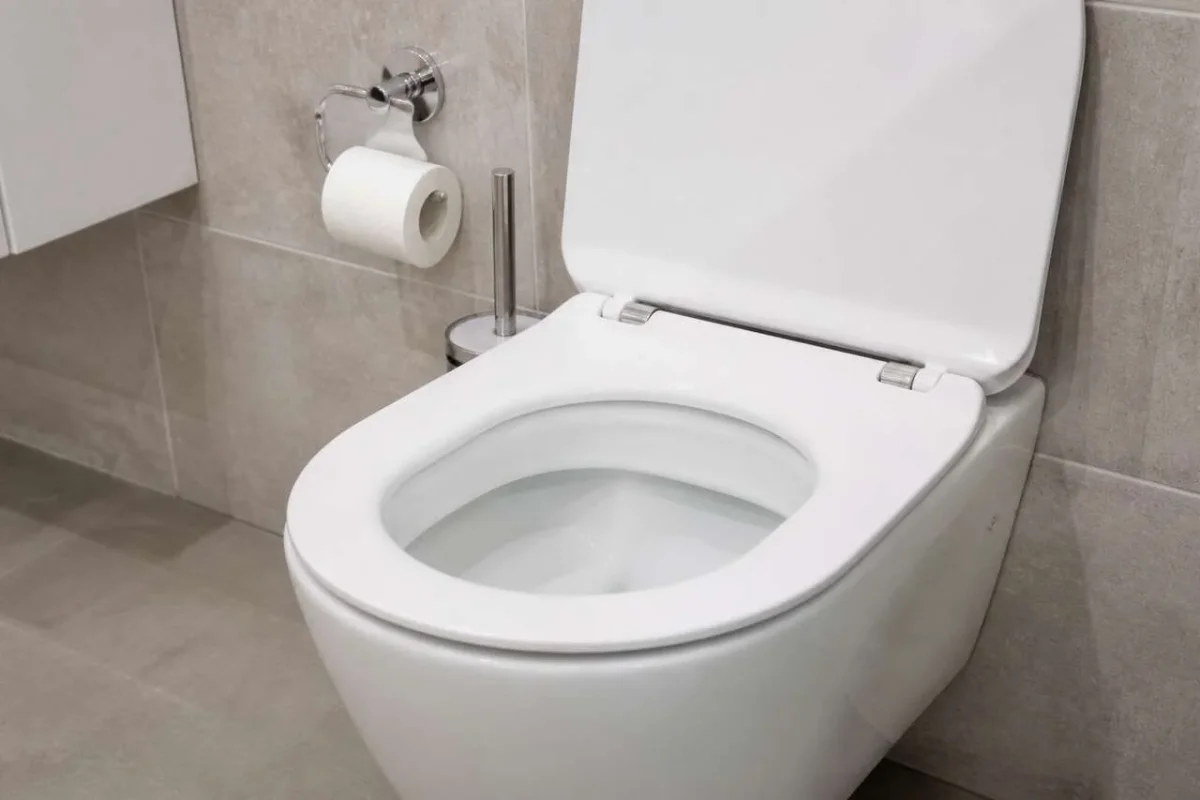
Essential Hygiene Practices for Daily Living
Hygiene is not just about surface cleanliness; it is an essential shield that protects us from invisible threats. This article explores key practices that enhance personal and public health.
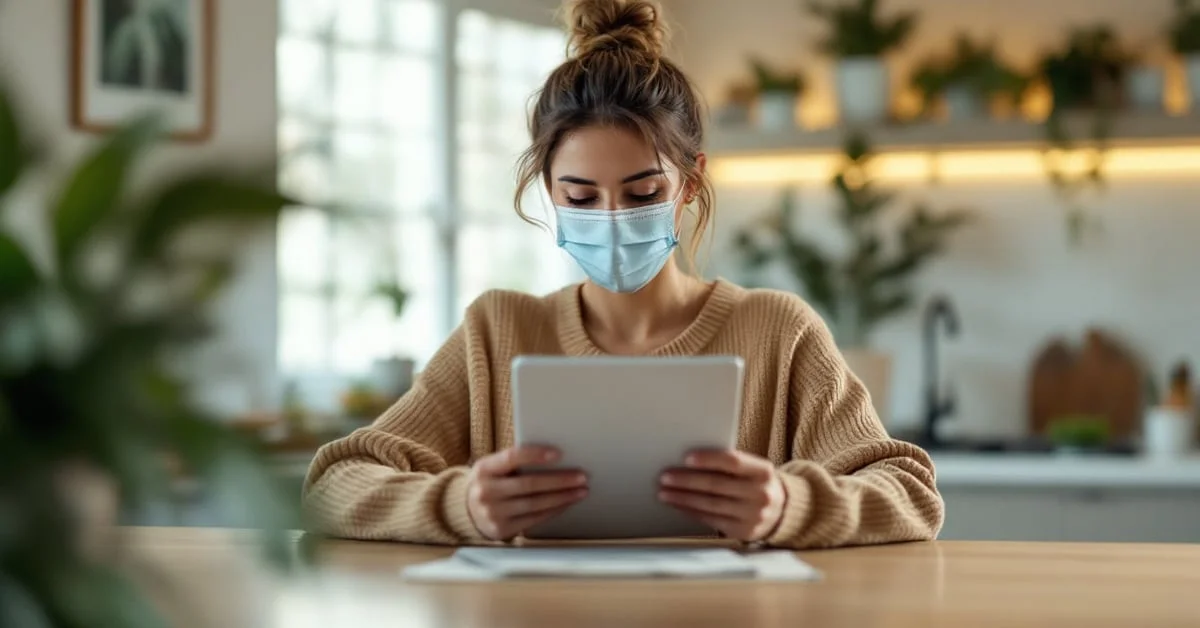
Hygiene extends beyond mere surface cleanliness; it serves as an invisible shield that protects our bodies, loved ones, and environment from unseen threats. These threats include bacteria, viruses, and fungi—tiny adversaries that can have significant consequences.
Understanding the importance of hygiene is crucial. Good hygiene practices drastically lower the risks of illness, enhance our quality of life, and contribute to public health. This article will explore essential practices that truly make a difference.
Hygiene: A Cornerstone of Our Well-being
Why Should We Care?
Every day, we come into contact with millions of microorganisms, some harmless and others potentially harmful. Our first line of defense against these threats is our hygiene. A simple cough or improperly stored food can trigger a chain of contamination.
Maintaining hygiene is also a form of respect—both for ourselves and for others. After all, who enjoys shaking hands with someone who has dirty nails? This is not only a cultural norm but also a biological necessity.
Impact on Public Health in France
For decades, public health campaigns in France have emphasized the importance of hygiene. Illnesses like seasonal flu, gastroenteritis, and even more severe diseases such as COVID-19 have highlighted how individual hygiene practices affect collective health. An epidemic often stems from widespread hygiene issues.
Did you know? Handwashing alone could reduce respiratory diseases by 40% and diarrheal diseases by 50% worldwide. This statistic is thought-provoking.
Handwashing: The Ultimate Preventive Measure
Technique and Frequency: Keys to Effectiveness
Handwashing is more than just a quick rinse under water. It requires thorough scrubbing: palms, backs of hands, between fingers, thumbs, and wrists. Aim for at least twenty to thirty seconds—singing "Happy Birthday" twice can help you keep track of the time.
What type of soap should you use? A standard soap is sufficient; there’s no need for ultra-powerful antibacterial products in daily life, as they can disrupt the skin’s natural flora.
When to Wash Your Hands: Specific Situations
While there are many moments to wash your hands, some are non-negotiable:
- Before preparing or eating food.
- After using the restroom.
- After coughing, sneezing, or blowing your nose.
- After handling animals or their waste.
- Upon returning home, especially after using public transport.
- Before and after caring for a wound or tending to a sick person.
Establishing this simple routine requires just a bit of discipline. Hand sanitizer is useful when soap and water aren’t available, but it should not replace thorough handwashing.
Daily Personal Hygiene: More Than Just Cleanliness
Showering and Bathing: Finding the Right Balance
A daily shower is a healthy habit that removes sweat, dead skin cells, and accumulated dirt. However, be cautious not to overdo it. Hot water or excessively long showers can dry out the skin, particularly in winter.
Baths can be relaxing but consume more water, so alternating between the two can be a good strategy. The key is to feel clean and refreshed without damaging the skin.
Hair and Skin Care: Tailoring Products to Your Needs
Every skin type and hair texture has specific needs. Using appropriate shampoo, a gentle soap, and moisturizing your skin post-shower are essential practices that help maintain the skin's protective barrier. Healthy skin is less permeable to pathogens, as dermatology professionals in France frequently remind us.
Don't forget about nail hygiene; nails can harbor bacteria. A simple scrub under running water can do wonders.
Oral Hygiene: A Major Component of Overall Health
Brushing and Accessories: The Fundamentals
A healthy mouth is crucial for overall health. Brush your teeth at least twice a day for two minutes with a soft-bristled toothbrush and fluoride toothpaste. Don’t forget to clean your tongue, as it also harbors bacteria.
Dental floss or interdental brushes are equally important, reaching areas that a toothbrush may miss. This small investment of time helps prevent cavities and gum disease.
Regular Visits to the Dentist
An annual dental check-up is essential, even if you’re not experiencing pain. Dentists can identify issues before they escalate. Regular cleanings can prevent many problems, and for children, these visits are crucial for monitoring dental development.
Maintaining a Healthy Environment: Home and Workplace
Effective Cleaning: Products and Methods
A clean environment reduces germ spread. Regularly cleaning high-touch surfaces (doorknobs, switches, remote controls) is vital. Utilize suitable cleaning products that aren’t necessarily harsh; a simple mix of water and white vinegar can be both eco-friendly and effective.
Ventilating rooms is another simple yet powerful action. Just ten minutes a day can refresh the air and eliminate particles and pollutants.
Waste Management: Sorting and Proper Disposal
Trash cans can be breeding grounds for bacteria. Empty them regularly, especially those in the kitchen and bathroom, and use sealed trash bags. Recycling not only benefits the planet but also reduces the volume of organic waste in the main trash bin.
For hazardous waste (expired medications, batteries), designated collection points exist. Check with your local municipality for details.
Food Hygiene: From Purchase to Consumption
Food Preservation: Golden Rules
Food safety is a cornerstone of hygiene. Maintaining the cold chain is crucial—quickly refrigerate perishable items after shopping. The coldest section of the fridge is usually the bottom.
Pay close attention to expiration dates, especially "Use by" dates. Don’t let bacteria take hold in your food; discard any questionable items without hesitation. Health is priceless.
Preparation and Cooking: Avoiding Risks
Always wash fruits and vegetables, even those you plan to peel. Use separate cutting boards for raw meat and vegetables, or wash them thoroughly between uses to avoid cross-contamination.
Ensure cooking is thorough, particularly for meat, eggs, and fish. An internal temperature of at least 70°C destroys most harmful bacteria. A kitchen thermometer can help mitigate risks.
Good Practices in Public and Professional Settings
Specific Rules: An Example from Healthcare
In healthcare settings, hygiene regulations are extremely strict. Healthcare professionals follow handwashing protocols, and gloves are mandatory for certain tasks. These measures protect vulnerable patients.
As visitors, it is our responsibility to adhere to guidelines: disinfecting our hands upon entry and exit and avoiding sitting on beds, for example.
The Role of Employees and Visitors
In a workplace, maintaining cleanliness in shared spaces (kitchen, restrooms, offices) is a collective responsibility. A clean office, regularly disinfected surfaces, and effective waste sorting contribute to a healthier and more pleasant work environment.
As visitors in public spaces such as museums or train stations, we also have a role to play. Avoid littering, use designated trash bins, and refrain from touching your face after contacting common surfaces. Simple actions can significantly reduce germ spread across France.
Demystifying Hygiene: Real Questions, Misconceptions
Can You Be "Too Clean"?
Yes, excess can be harmful. Overzealous cleanliness, especially in young children, may hinder immune system development. Exposure to certain germs is necessary for building defenses—this is known as the "hygiene hypothesis."
Using disinfectants excessively at home is not always beneficial and can even encourage the emergence of resistant bacteria. Regular cleaning with standard household products is sufficient for most homes.
Hygiene and Children: Building Good Habits
Teaching hygiene to children is an investment in their future. Explain why handwashing and tooth brushing are important. Make it a fun game or routine. Lead by example, as children tend to mimic what they see.
A solid hygiene education from a young age will help them adopt these practices naturally, contributing to their development into responsible adults regarding their health and that of others.
Adopting a Sustainable Hygiene Routine for Everyone
Tips for Easy Implementation
Incorporating these good practices into your daily life isn’t as challenging as it may seem. Start small by focusing on one or two actions, such as washing your hands after every outing, and stick to it for a week. Once it becomes a habit, add another.
- Identify current gaps in your routine.
- Choose one or two priority actions.
- Set reminders (sticky notes, alarms).
- Celebrate small victories.
Consistency is more important than intensity. Simple daily actions are more effective than a major clean-up once a month.
Raising Awareness and Sharing Knowledge
Share this information with those around you. Discuss hygiene practices in a community setting, fostering a culture of health and well-being. Together, we can create a healthier environment for everyone.