Removing Dried Glue from Various Surfaces
Dried glue can often be removed from surfaces, but the method depends on the type of glue and material. Learn effective techniques and products for glue removal.
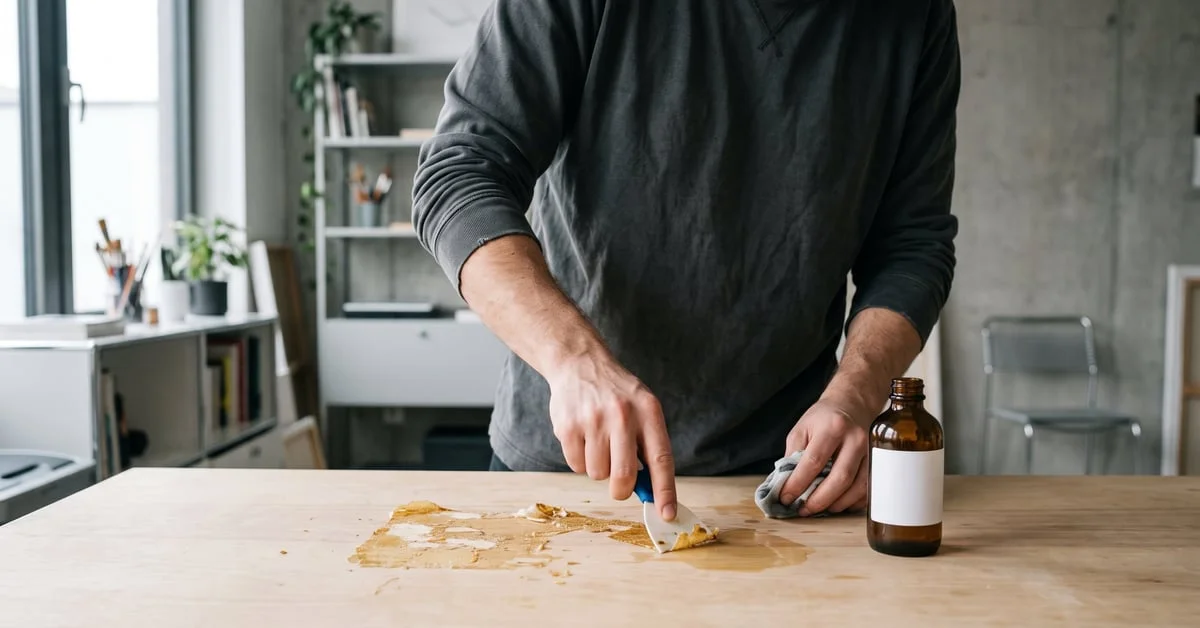
Dried glue can be a frustrating problem, often leaving homeowners wondering if the affected surface is ruined. Fortunately, in most cases, it can be salvaged. The method to remove it, however, largely depends on the type of glue and the material of the surface. Pouring hot water over superglue, for instance, will not help and may even worsen the situation.
Identifying the Glue Before Taking Action
Why the Type of Glue Matters
Each type of glue has a different chemical composition, which means it requires a specific solvent for removal. For example, trying to dissolve epoxy glue with warm water is futile, and applying acetone to delicate plastics can lead to melting. Taking just 30 seconds to identify the glue can save you from an hour of ineffective cleaning.
- PVA Glue (white glue, wood glue): water-based and soluble in hot water once dried if sufficient pressure is applied.
- Superglue (cyanoacrylate): dissolves with acetone or a specific remover.
- Epoxy Glue: consists of two components and requires isopropyl alcohol or a chemical stripper.
- Contact Cement (neoprene glue): sensitive to acetone and aromatic solvents.
- Wallpaper Glue: water-based, usually responds well to hot water.
- Silicone: neither water nor acetone works—only a mechanical tool or silicone remover is effective.
💡 Tip: If unsure about the type of glue used, conduct a test on a small hidden area before applying any removal method. Look for a concealed corner or a fabric edge to test first.
Reading the Surface as Carefully as the Glue
The surface itself has limitations. Acetone may dissolve superglue but can also damage certain plastics (like ABS or acrylic). Heat can soften many glues but can burn delicate fabrics. Mechanical scraping on varnished wood can scratch the finish as well as the glue. Matching the type of glue with the nature of the surface is crucial for selecting the right removal approach.
⚠️ Methods Based on Surface Type
On Fabric and Clothing
For PVA or wallpaper glue, submerge the area in hot (not boiling) water for 15 to 20 minutes, then gently scrape with a fingernail or plastic spatula. The glue often comes off in chunks. For superglue on fabric, acetone can be effective, but always test on an inner seam first, as some dyes may not withstand the solvent. Use a cotton swab for application, avoiding spreading it over the entire stain.
⚠️ Important Note: The heat from a dryer can permanently set certain acrylic glues into fibers. Before washing a stained item, ensure the glue is fully removed; otherwise, it may become irreversible.
On Wood and Floorboards
For dried wood glue, place a warm, damp cloth on the area for 5 to 10 minutes to soften the bond. Then, use a flat spatula or a non-serrated knife to peel it off in sections. On varnished floors, avoid high-concentration alcohol, which can dull the finish. Diluted household alcohol (70°) is a safer option. For superglue on untreated wood, mechanical removal with 120-grit sandpaper, rubbing with the grain, is effective.
On Tiles, Glass, and Hard Surfaces
Tiles can generally tolerate various solvents, including acetone, alcohol, and chemical strippers. The challenge lies in the grout, which can absorb solvents and become discolored. On glass, a razor blade held at a 30° angle can remove dried superglue without scratching, provided the angle is maintained consistently. The same technique applies to glossy tiles.
On Plastic
Plastic is the most delicate surface when it comes to glue removal. Acetone can damage polystyrene, acrylic, and ABS in seconds. For these materials, opt for 90% isopropyl alcohol, which is less aggressive. For more durable plastics (like polyethylene and polypropylene), gentle heat from a hairdryer held 40-50 cm away can soften epoxy or neoprene glue, which can then be mechanically removed.
🎯 Effective Products You Likely Have at Home
Acetone and Nail Polish Remover
Typical nail polish remover contains acetone, albeit at a lower concentration. It is effective on superglue, neoprene glue, and certain contact adhesives. Apply it with a cotton ball, let it act for 2 to 3 minutes, and then gently rub without applying too much pressure. There is no risk on metals and glass, but always test on plastics first.
70% Alcohol or Household Alcohol
Less harsh than acetone, this is suitable for partially dried epoxy glue, wallpaper glue, and adhesive residues. It is often the first choice for painted or varnished surfaces. A contact time of 5 minutes followed by gentle scraping is usually sufficient.
Hot Water and Soap
For water-based glues (PVA, school glue, wallpaper glue), hot water is the best solvent, requiring no chemical products. A sponge soaked in very hot water, kept in contact for 10 minutes, can soften the bond. This method is also the least risky for untreated fabrics and woods.
| Type of Glue | Recommended Solvent | Avoid On | |-----------------------------|------------------------|-------------------------| | Superglue (cyanoacrylate) | Acetone | Soft plastics | | PVA / white glue | Hot water | Untreated wood | | Epoxy | Isopropyl alcohol | Painted surfaces | | Silicone | Silicone remover + scraping | Water and acetone (ineffective) | | Neoprene / contact | Acetone or white spirit | ABS plastics |
The Progressive Scraping Technique
Regardless of the solvent used, scraping should always be done from the outside towards the center of the stain—never the opposite, as this can spread the glue. A plastic tool (like an expired credit card or a kitchen spatula) is better for delicate surfaces than a knife. For resilient hard surfaces, a slightly inclined razor blade remains the most precise solution.
✅ Remember: Identify the glue first, test the solvent on a hidden area, allow it to act without dry rubbing, and scrape from the outside in. This sequence works in 90% of common cases without damaging the surface.
When Residue Persists
Some glues, particularly epoxies and silicones, may leave a film even after treatment. A mixture of baking soda and vegetable oil creates a slightly abrasive paste, effective for removing any remaining traces on hard surfaces without scratching. For fabrics, rinsing with cold water (never hot) after solvent treatment helps remove residues without setting anything.
If you frequently work with adhesives and encounter this issue often, consider consulting our tips on selecting the right glue for the surface—prevention can save you from many headaches.
FAQ — Frequently Asked Questions
Does hot water remove superglue?
No. Water has no effect on cyanoacrylate once dried. Only acetone (or a specific superglue remover) can dissolve this type of glue. Warm water can help soften the skin around the glue if you are stuck, but it does not dissolve the glue itself.
How can I remove dried glue from fabric without damaging it?
Start by freezing the area with an ice cube—some glues become brittle and can be removed in small pieces. Then, gentle scraping with a fingernail often suffices. If that doesn’t work, a cotton swab soaked in acetone on a small area can test the fabric’s resistance before proceeding further.
Does white spirit remove dried glue?
It depends. White spirit works well on neoprene and contact glues. It is less effective on acrylic glues or superglue. On fabrics, it often leaves a greasy halo that requires rinsing with cold water and dish soap.
Can vinegar be used to remove dried glue?
White vinegar is slightly acidic and may soften certain water-based glues (like school glue or wallpaper glue) after prolonged soaking. However, it is completely ineffective on superglue or epoxy. It is a gentle option for fragile surfaces when avoiding chemical solvents.
How do I remove dried epoxy glue?
90% isopropyl alcohol is the best accessible option. Apply generously, cover the area with plastic wrap to prevent evaporation, and let it sit for 20 to 30 minutes. Then, scrape with a rigid spatula. For very old bonds, a specific chemical epoxy stripper may be necessary.