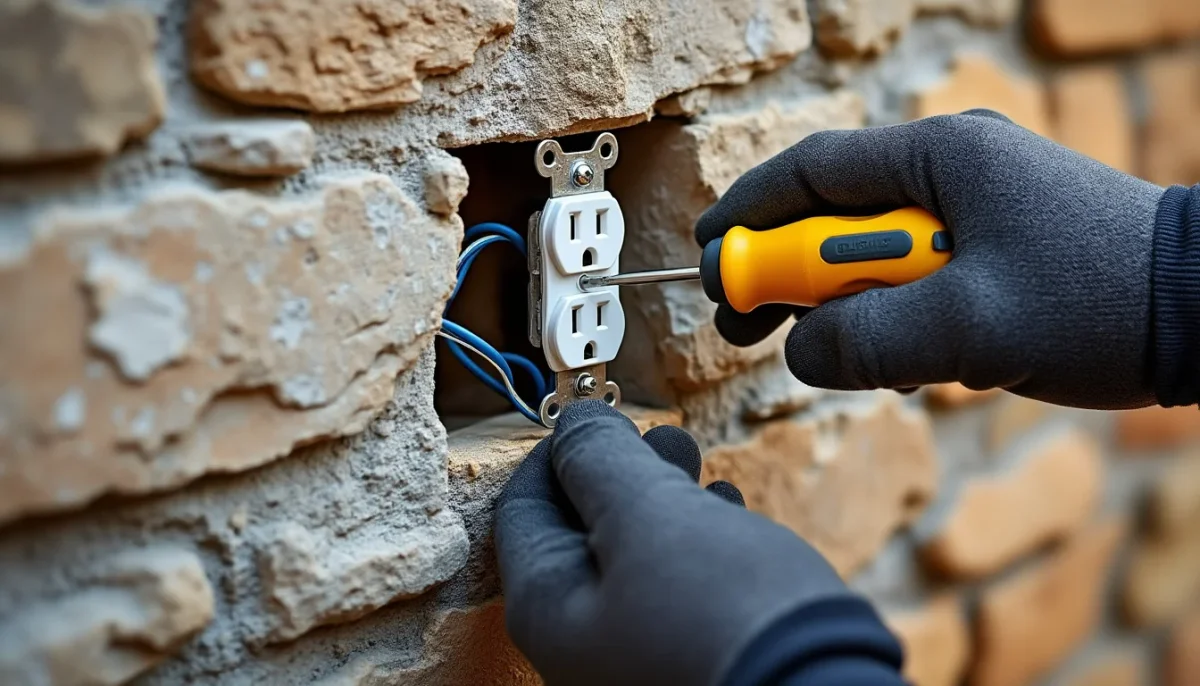
Fire-Resistant Insulation: Choosing the Best for Your Home Protection
With over 250,000 domestic fires reported annually in France, the choice of fire-resistant insulation materials is crucial for home safety. This guide explores effective insulators, regulations, and innovations in fire protection.
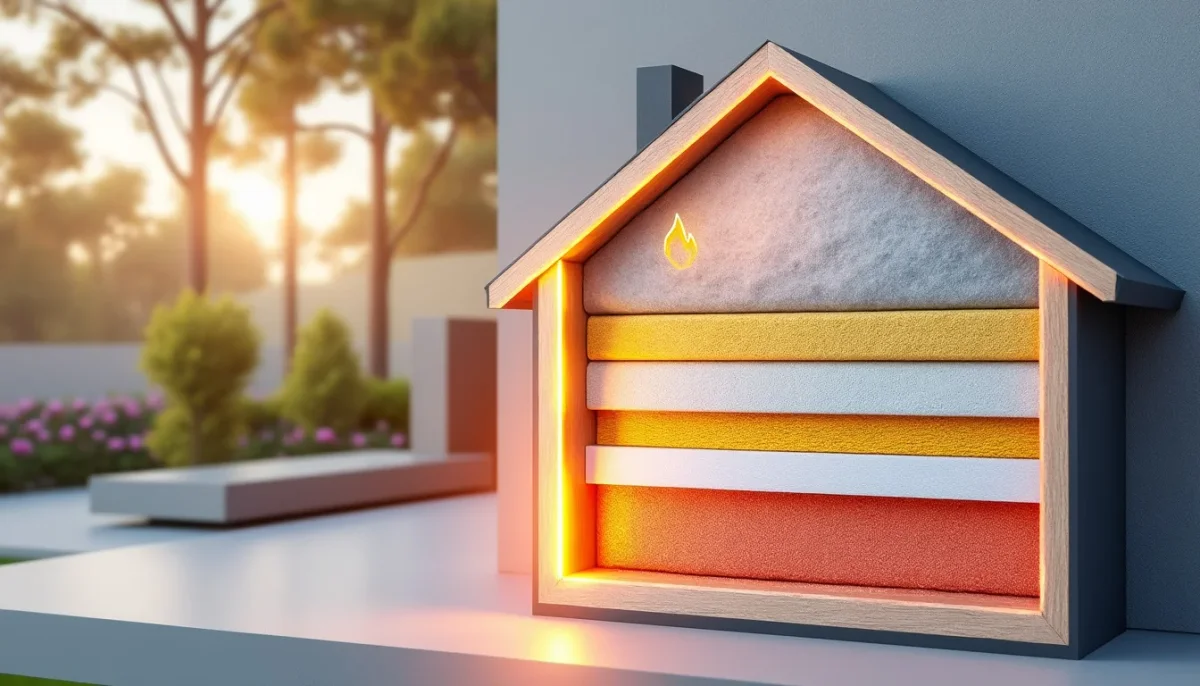
Every year in France, over 250,000 domestic fires are reported, resulting in more than 450 deaths, according to the National Institute for Prevention and Health Education. These statistics highlight a crucial yet often overlooked reality: the selection of insulation materials plays a pivotal role in either facilitating or hindering the spread of a fire. An improperly chosen insulation can not only ignite but also emit toxic fumes that can be more lethal than flames themselves. Given these risks, the selection of appropriate fire-resistant materials is not merely a technical formality; it is a decision that directly impacts the safety of families. Whether renovating a kitchen, insulating a chimney flue, or rethinking a home's thermal envelope, choosing a fire-resistant insulation requires genuine expertise. This detailed guide reviews the most effective materials, selection criteria, current regulations, and innovations shaping the future of construction.
- Over 250,000 domestic fires occur annually in France.
- Some common insulators are flammable and can accelerate flame spread.
- The European classification Euroclasses assesses the fire resistance level of each material.
- Rock wool and glass wool are among the most effective fire-resistant insulators.
- Strict regulations govern material selection based on building type.
- Recent innovations such as silica aerogels and fiber-reinforced concretes are opening new perspectives.
Why Choose Fire-Resistant Insulation for Your Home
The choice of fire-resistant insulation may seem technical, often perceived as a concern for construction professionals. However, this decision is directly relevant to any homeowner committed to safeguarding their residence. Insulation materials are often hidden within walls, attics, under floors, and around flues, placing them at the very heart of potential fire hazards.
Consider a couple renovating their countryside home who opt for a cheap yet highly flammable insulation for their attic. Years later, a short circuit in the roof triggers a fire. Instead of slowing the flames, the insulation acts as an accelerant. This unfortunate scenario underscores the critical importance of prioritizing fire safety over budgetary constraints.
Certain insulating materials not only support combustion but also release toxic fumes when burned. These fumes, laden with dangerous chemicals, can lead to poisoning in mere minutes, often before flames reach the occupants. Therefore, selecting a fireproof insulation is a dual action: it limits fire spread while reducing toxicity risks.
The installation of fire-resistant insulation is especially recommended in several sensitive areas of the home. The kitchen, exposed to constant heat sources, is a critical point. Similarly, the chimney flue faces extreme temperatures and risks of cracks that can allow flames and gases to escape. More broadly, any confined space where heat can accumulate deserves special attention regarding material choices.
Beyond individual homes, this requirement extends to workshops, offices, and commercial spaces. Professional regulations are often much stricter than those for residential buildings, reflecting the emphasis placed on this issue by public authorities. Effective thermal insulation and fire protection are not mutually exclusive goals; they converge in the selection of suitable materials.
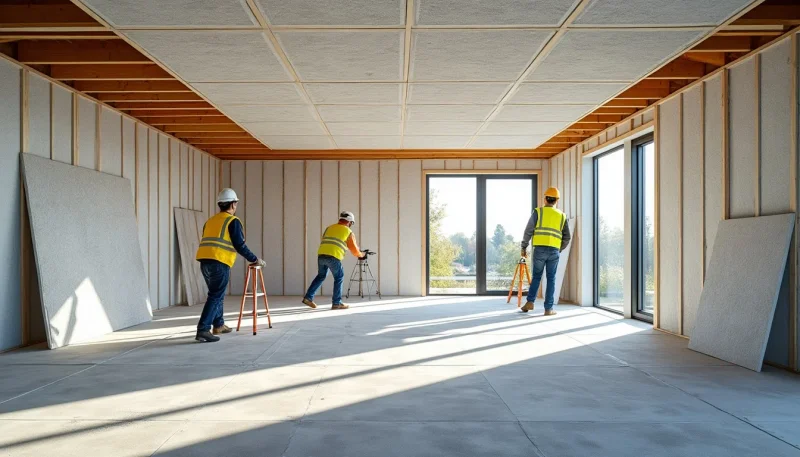
Understanding Fire Resistance with the European Euroclasses
To evaluate an insulation material's performance against flames, one should rely on more than just marketing claims. The European standard EN 13501-1, which outlines the Euroclass system, provides an objective and harmonized framework for comparing materials. This classification is based on standardized laboratory tests that measure several fundamental parameters.
Fire reaction assesses how a material contributes to the ignition and development of a fire, evaluating flammability, flame spread speed, and smoke production. Fire resistance, on the other hand, measures a construction element's ability to maintain its functions for a specified duration under fire exposure.
Classes A1 and A2: Non-Combustible Insulators
Materials classified as A1 and A2 are considered non-combustible or very low in combustibility. They do not contribute to fire development and produce little to no toxic smoke. Among these are concrete, natural stone, glass, rock wool, and certain metals.
These materials are recommended for load-bearing structures and compartmentalization elements in high-risk buildings, providing effective barriers that significantly limit fire spread from one area to another.
Classes B to F: Increasing Combustibility
Classes B to E pertain to combustible materials of varying degrees. Class B indicates a very low contribution to fire, while Class E signifies a significant contribution. These classifications are supplemented by indices related to smoke production (s1, s2, s3) and flaming droplet formation (d0, d1, d2).
Class F includes materials whose performance has not been determined or that do not meet minimum criteria. Their use is generally discouraged in construction and may be strictly regulated.
It is crucial to note that a single material can receive different classifications based on its application. An insulator used as wall covering may not perform the same as the same product installed under the roof. Thus, verifying the product's classification concerning its actual use is essential, rather than relying on a generic assessment.
Rock Wool and Glass Wool: Leading Fire-Resistant Insulators
Among the various insulation materials available, two products frequently stand out for their fire performance: rock wool and glass wool. Both belong to the mineral wool family and share remarkable fire-resistant properties, although they exhibit some notable differences.
Rock Wool: Exceptional Resistance to High Temperatures
Made from melted volcanic rocks, rock wool can withstand temperatures exceeding 1,000 °C. This exceptional performance makes it a preferred choice for the most exposed areas: chimney flues, party walls, and roofs of industrial buildings.
In the event of a fire, it acts as a true firebreak, preventing flames from spreading and limiting the diffusion of toxic smoke through partitions. Classified A1 in the Euroclass system, it does not contribute to fire development.
For optimal thermal insulation and fire protection, semi-rigid rock wool panels are highly recommended. For budget planning, it is beneficial to consult available information on rock wool prices for insulation, typically ranging from 10 to 50 euros per square meter depending on the treated area and chosen thickness.
Glass Wool: Versatile Yet with Cautions
Glass wool is another cornerstone of thermal insulation. Available in rolls, semi-rigid panels, or blown flakes, it adapts to a wide variety of configurations: attic insulation, wall insulation, and interior partitions.
Its fire classification ranges between A1 and A2, depending on the product's technical specifications. However, caution is warranted: when covered with a kraft paper facing, glass wool becomes flammable. This detail, often overlooked during purchase, can have significant consequences in the event of a fire.
To maximize protection, it is advisable to select glass wool panels without combustible facing or with a mineral coating. The price of this material, ranging from 3 to 25 euros per square meter, makes it an accessible solution for many renovation projects.
Beyond Mineral Wools: Fire-Resistant Natural Materials
In addition to mineral wools, other natural materials offer remarkable fire resistance without requiring special chemical treatments. They form the basis of intrinsically safer constructions and can be part of a comprehensive fire prevention approach.
Reinforced concrete is perhaps the most widely used construction material in France, partly due to its fire-resistant properties. Non-combustible (classified A1), it has low thermal conductivity and maintains mechanical stability at high temperatures, creating a protective barrier that slows the temperature rise of steel reinforcements. In the event of a fire, this thermal inertia provides valuable time for occupant evacuation and emergency response.
Refractory bricks, made from special clays, can withstand temperatures often exceeding 1,000 °C. Their low thermal expansion and good insulation make them a preferred material for fireplaces, wood stoves, and firewalls. In a home, their use in high thermal risk areas represents a durable and proven solution.
The question of insulation extends beyond fire resistance alone. Additional considerations, such as sound insulation of ceilings, also come into play in a complete renovation. A good fire-resistant material can sometimes combine multiple functions, simplifying implementation and optimizing the overall project budget.
It is also worth mentioning the role of gypsum boards and cellular concrete, which can be used in chimney flue construction. These materials, combined with mineral wool for insulation, create a coherent system offering both smoke tightness and heat resistance.
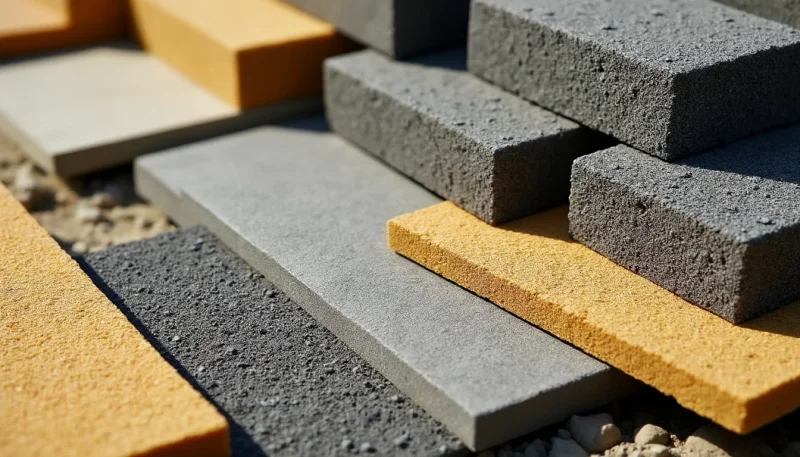
Innovations and Treatments for Enhanced Fire Protection
Not all materials are naturally fire-resistant. Wood, for instance, is an excellent thermal insulator but has an inherent flammability that requires treatment. Several techniques can significantly improve the fire resistance of wood, allowing it to be used safely in various applications. Innovations in fire-retardant coatings and treatments are evolving, providing homeowners with more options to enhance safety without compromising on aesthetics or functionality. As the building industry advances, staying informed about these developments can help ensure that homes remain safe from fire hazards while maintaining comfort and energy efficiency.