Flat Roof in Tourcoing: Waterproofing, Insulation, and Maintenance (2026 Guide) - Home Management
A flat roof relies on three inseparable pillars: waterproofing, thermal insulation, and drainage. Neglect any one of them, and the entire durability of the building is jeopardized. Learn about materials, maintenance, and costs.

A flat roof relies on three inseparable pillars: waterproofing, thermal insulation, and drainage. Neglect any one of them, and the entire durability of the building is jeopardized. Unlike sloped roofs, a flat roof does not allow water to drain naturally. It stagnates, seeps in, and damage occurs quickly.
For professional support, consult a qualified roofer in Tourcoing who can diagnose and renovate your flat roof.
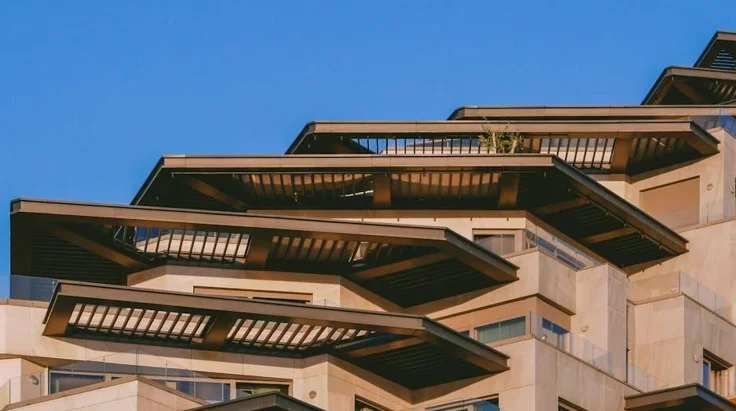
What Waterproofing Materials to Choose for a Flat Roof?
Three main families of materials dominate the flat roof waterproofing market in 2026: elastomeric bitumen, EPDM membrane, and liquid waterproofing system (SEL). Each solution meets specific constraints regarding support, budget, and longevity.
Elastomeric bitumen (calandrite) remains the most widespread solution, accounting for about 70% of the market. Roofers install it in a two-layer system welded with a torch directly onto the concrete or steel deck. Its lifespan ranges from 15 to 20 years, with costs between €37 and €65/m² including installation. It is a proven, reliable choice, but it ages faster than its competitors.
EPDM membrane, made of synthetic rubber, boasts remarkable longevity: 30 to 50 years. Fully recyclable, it is particularly suitable for wooden structures due to its flexibility. Expect costs of €40 to €60/m² including installation. Its durability-to-price ratio makes it an increasingly popular option.
The SEL (polyurethane or PMMA resin) is applied with a roller, without welding. This technique excels in renovation, applied directly over an old bituminous waterproofing. Budget: €40 to €70/m² including installation. The final choice depends on the nature of the support, the accessibility of the terrace, and the requirements of DTU series 40 and 43.
Thermal Insulation of a Flat Roof: Effective Techniques and Materials
The roof accounts for about 30% of a building's energy losses. Insulating a heated flat roof is not an option; it is a regulatory obligation and a major lever for savings.
Two technical configurations exist. The warm roof places the insulation between the vapor barrier and the waterproofing membrane: this is the technique recommended by professionals. The inverted roof positions the insulation above the waterproofing, which protects the membrane but requires water-resistant insulation.
In terms of materials, four insulators stand out: polyurethane/PIR panels (best lambda on the market, reduced thickness), high-density rock wool (excellent fire resistance, good sound insulation), expanded perlite (light and rot-proof, suitable for heavy roofs), and cellular glass (incompressible, perfect under slabs or heavy protection).
The vapor barrier, placed on the load-bearing element, prevents condensation from migrating into the insulation. Without it, the insulation becomes waterlogged and loses all effectiveness. In 2026, several financial aids facilitate these works: eco-PTZ, energy bonus, and 5.5% VAT if you hire an RGE-certified craftsman.
The 4 Annual Maintenance Actions to Preserve Your Flat Roof
Regular maintenance doubles the lifespan of your waterproofing. Four simple actions are sufficient, provided they are followed each year.
Clean the rainwater drains. Unclog the outlets, gutters, and downspouts at least twice a year, in autumn and spring. Clogged drains cause water stagnation, putting pressure on the waterproofing.
Visually inspect the membrane. Walk over the entire surface looking for blisters, cracks, or detachments. Pay particular attention to the waterproofing upstands along the parapets, a frequently fragile area.
Remove unwanted vegetation. Moss, roots, and debris retain moisture permanently. This moisture accelerates the degradation of the membrane and promotes seepage.
Check the expansion joints and penetrations. Chimneys, skylights, VMC outlets: these sensitive points account for about 90% of leaks. Check the condition of the collars and sealing joints.
A maintenance contract with a professional roofer guarantees a complete annual inspection and alerts you before a small defect becomes an expensive project.
How to Spot Signs of Degradation in Flat Roof Waterproofing?
The first signs often appear on the roof itself. Blisters and bulges on the membrane, cracks in the bitumen, detachment of the upstands, puddles that persist for more than 48 hours: each of these signs warrants prompt intervention. Ignoring them allows water to seep into the structure.
Inside the building, other signals reveal a problem. Yellowish stains on the ceiling, blistering paint, persistent musty odors, visible mold on the walls: your waterproofing is likely compromised. These symptoms may appear weeks after the first infiltration.
Delaying repairs exacerbates damage exponentially. Water deteriorates the load-bearing structure (concrete, wood), the moisture-laden insulation loses all performance, and mold poses a real health risk. Good news: the ten-year warranty covers waterproofing defects if a professional carried out the work.
Cost Table for Renovating a Flat Roof in 2026
Before starting a project, calibrate your budget. Here are the price ranges observed in 2026, installation included:
| Item | Price per m² (incl. VAT) | |----------------------------------------|---------------------------| | Elastomeric bitumen waterproofing | €37 – €65 | | EPDM membrane | €40 – €60 | | SEL (polyurethane/PMMA resin) | €40 – €70 | | Thermal insulation | €15 – €60 | | Vapor barrier | €1.5 – €3 | | Heavy protection (gravel) | ≈ €20/m³ | | Slabs on pedestals | €40 – €100 |
For a complete renovation (waterproofing + insulation), budget between €130 and €250/m² all-inclusive. For a typical project of about 50 m², the average observed budget is between €3,500 and €5,000 incl. VAT. Always compare multiple quotes and ensure that each craftsman has a valid ten-year warranty.
FAQ
Can a flat roof be greened, and what are the benefits?
Yes, provided that the load-bearing element can support the additional weight (substrate + vegetation) and that the drainage system is perfectly sized. A green roof improves thermal and acoustic insulation, reduces urban heat islands, and slows down rainwater runoff. Expect costs of €300 to €500/m² for complete greening, whether extensive or intensive.
What is the lifespan of an EPDM waterproofing membrane?
A properly installed EPDM membrane lasts between 30 and 50 years, which is two to three times longer than conventional bitumen. Its resistance to UV, frost, and its natural flexibility allow it to absorb the building's expansions without cracking. Fully recyclable, it is the most durable and eco-friendly solution on the market in 2026.
Is a building permit required to create a terrace on a flat roof?
The development of a rooftop terrace alters the exterior appearance of the building. Depending on the surface area and the local urban plan (PLU) of your municipality, you will need to submit a prior declaration of works (DP) or a building permit. The involvement of an architect becomes mandatory once the surface exceeds 150 m². In a co-ownership, first obtain authorization from the general assembly of co-owners.