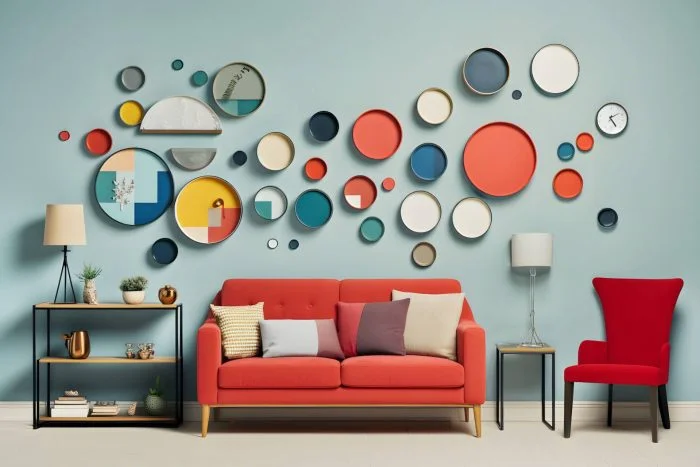
How to Decorate an Empty Wall Without Overcrowding the Space
Learn how to decorate an empty wall effectively without overcrowding your space. Discover tips on focal points, arrangement, material variation, and adapting decor to room functions.
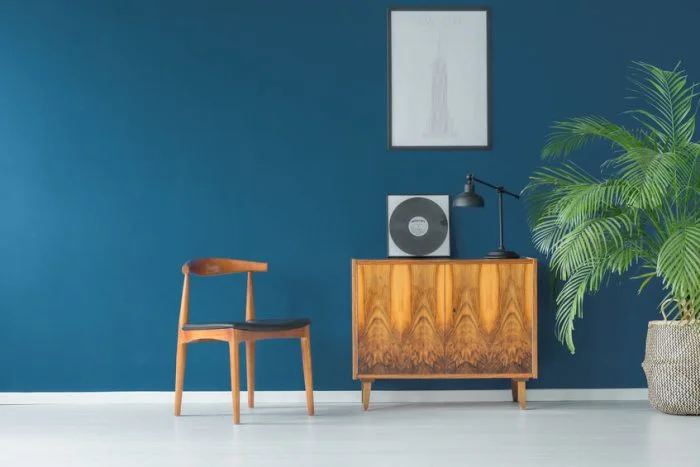
An empty wall in a home can often create a feeling of incompleteness. However, filling it without careful consideration can lead to a cluttered appearance. The challenge lies in adding character to the room while avoiding a sense of overload. Here are some straightforward guidelines to keep in mind before you start decorating.
Focus on a Focal Point Instead of Clutter
One common mistake when dressing up a blank wall is to overcrowd it with numerous small items without a clear theme. To prevent a chaotic look, it is better to select a strong piece that captures immediate attention. For instance, you might choose a large mirror, a tapestry, or a sizable framed artwork. This approach helps to structure the space and prevents the wall from becoming overly saturated.
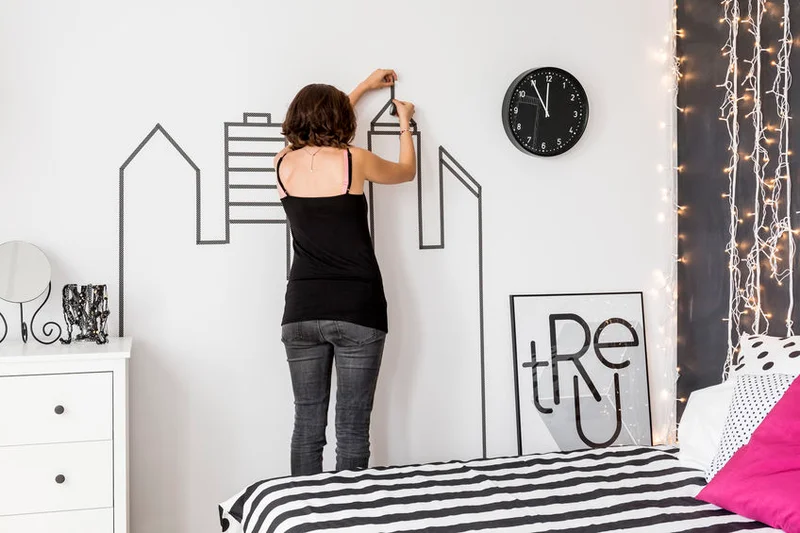
For inspiration and ideas on wall decoration that cater to different interior styles—be it contemporary, bohemian, or classic—there are plenty of options to enhance a wall without going overboard. The key is to maintain coherence between the size of the chosen object and the dimensions of the wall. A small frame placed alone on a large wall can easily feel lost in the space.
Consider Arrangement and Proportions
The arrangement is just as crucial as the selection of elements themselves. A gallery-style composition featuring variously sized frames can work well, provided that certain proportional rules are followed. It is advisable to leave a consistent space between each item, typically between five and ten centimeters, to maintain a clear visual reading.
Centering the arrangement in relation to a piece of furniture or at eye level also helps to anchor the composition within the room rather than letting it float aimlessly. For very tall walls, using vertical elements can occupy more space and prevent a sense of emptiness.
Mix Materials Without Overdoing Colors
To add dimension to a wall without overwhelming it visually, it is preferable to vary materials rather than colors. Combining wood, metal, rattan, or textiles can create an interesting depth while keeping the color palette limited—ideally to two or three tones maximum.
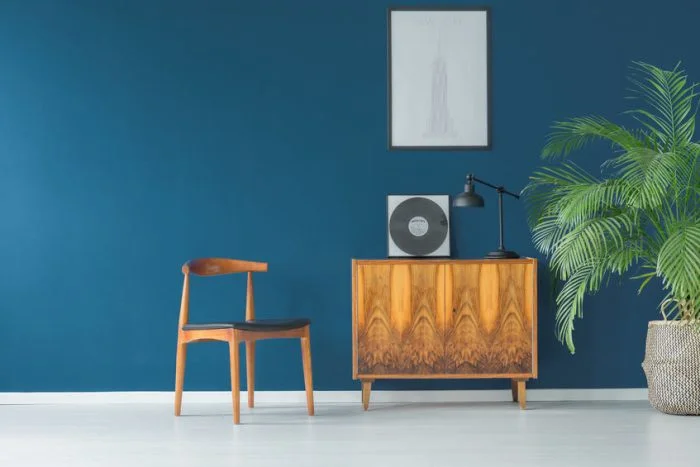
By blending different materials, the wall gains texture while maintaining a harmonious appearance. Wall shelves, for example, allow for a mix of decorative objects and functional storage while keeping unity through a dominant material or color that ties everything together.
Tailor Decoration to the Room's Function
Each room has its own constraints and deserves a different approach. In a living room, larger pieces or elaborate compositions can be embraced, as this is a space where people tend to linger. In contrast, a bedroom should favor simplicity with calming elements like a decorative headboard or a simple hanging plant, ensuring that the restful atmosphere is not disrupted.
In narrow spaces such as hallways or entries, elongated and slender elements like stylish hooks or small frames aligned horizontally can structure the area without cluttering it. Successful decoration primarily considers how the space is utilized on a daily basis.
In summary, dressing an empty wall without overwhelming a room relies on moderation. Prioritize quality over quantity, respect proportions, and design the decor according to the specific living area involved.