
How to Properly Adjust Your Kitchen Sink Stopper
Is your kitchen sink backing up with water despite the stopper being closed? This guide provides easy steps to diagnose, clean, and adjust your sink stopper for a proper seal.
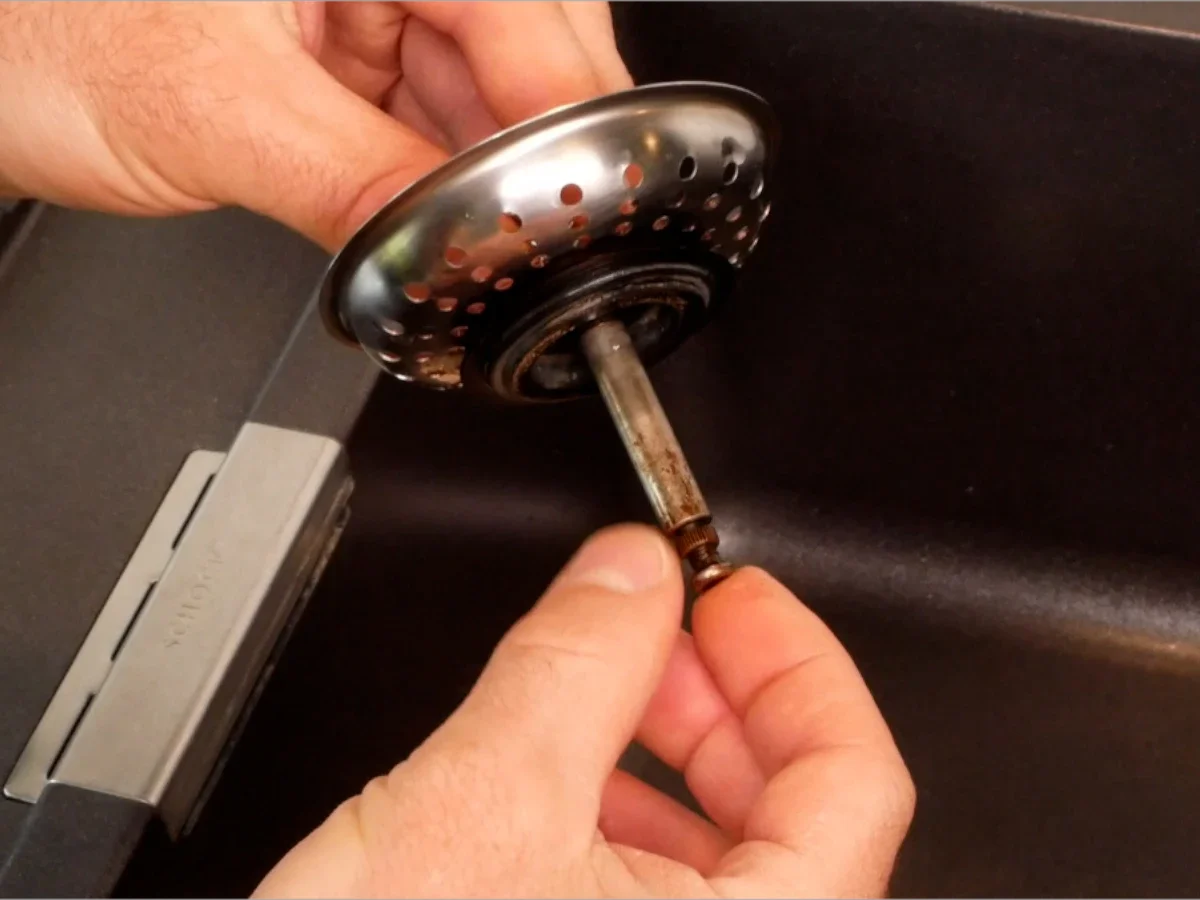
Is water pooling in your sink even when the stopper is closed? This is a common issue faced by many users of kitchen sinks equipped with an eccentric mechanism. Fortunately, the solution is often straightforward. With a few targeted adjustments, you can ensure that your stopper functions effectively and prevents unwanted drainage.
In this guide, we will walk you through the process step-by-step—from diagnosing the issue to cleaning, adjusting, and maintaining your sink stopper. This approach not only saves you unnecessary repair costs but also empowers you to manage your household plumbing effectively.
Understanding the Eccentric Mechanism
The eccentric mechanism is a feature found in many modern sinks. By turning a knob, you can raise or lower the stopper via a connecting rod. The stopper is equipped with a sealing ring that closes off the drain when it is fully lowered. When lifted, it allows water to flow out.
Problems arise when the stopper is not positioned correctly. This misalignment can result from an improperly adjusted screw, dirty components, or a worn-out seal. The good news is that these issues can typically be resolved without professional help.
Step-by-Step Instructions
-
Visual and Functional Check
Start by determining whether the stopper is indeed the source of the problem. Remove it from the drain and inspect it for any damage, bending, or dirt. Fill the sink with a bit of water, reinsert the stopper, and operate the knob. Observe if the drain is effectively sealed or if water continues to escape. If water is still draining, a readjustment is necessary.
-
Cleaning the Stopper and Drain
Completely remove the stopper from the drain and clean it thoroughly under hot water. Use a soft brush or an old toothbrush to eliminate grease and grime, paying special attention to the sealing surface and the threads of the adjusting screw. If possible, clean the mechanism beneath the sink as well, as debris can accumulate there and hinder movement.
-
Adjusting the Screw
The adjusting screw is located at the bottom of the stopper. It controls how deeply the stopper sits in the drain when closed. If the screw is too loose, the stopper will not seal properly; if it is too tight, it may block the mechanism.
Here’s how to adjust it:
- Reinsert the cleaned stopper into the drain.
- Carefully loosen the lock nut on the screw with your fingers.
- Turn the screw slightly out or in.
- Operate the knob and check if the stopper now seals properly. Repeat this process until water remains in the sink. Once the adjustment is correct, tighten the lock nut to secure the position.
-
Function Test and Fine-Tuning
Fill the sink with water again and verify that everything is functioning as expected. Monitor the water level to see if it remains stable or begins to drop. If water continues to leak, you may need to make minor adjustments to the screw. This process requires patience, but achieving a lasting seal is worth the effort.
Tips for Long-Lasting Sealing
To keep your sink sealed effectively over time, consider implementing a few additional measures. Using Loctite can enhance durability due to its temperature resistance. Additionally, applying a suitable silicone spray on the moving parts can help maintain smooth operation.
Once you find the ideal position for the adjusting screw, measuring and recording the protrusion can be beneficial for quick adjustments in the future.
When to Consider Replacement
In certain situations, replacing individual components can be particularly worthwhile. Here’s when you should consider purchasing new parts or seeking professional assistance:
- If the stopper is deformed or damaged, it’s best to buy a new one.
- If the adjusting screw no longer functions properly, replacing it is advisable.
- If the eccentric mechanism is consistently jammed or only partially operational, a complete replacement may be necessary.
- If the seal has become brittle or leaks, simply replacing the rubber seal can resolve the issue.
- For hard-to-reach mechanisms or more extensive defects, consulting a plumber is recommended.
Conclusion
A leaking stopper is usually not a cause for major concern. With some DIY skills and this guide, you can quickly restore your sink’s functionality.
However, if the stopper is damaged or the mechanism beneath the sink is malfunctioning, replacement is often the best option. For more significant defects or difficult-to-reach components, seeking professional help can be a wise choice.