How to Remove Slime Stains Without Leaving Residue
Discover effective methods to remove slime stains from fabrics without leaving any residue. Learn how to tackle fresh and dried slime with expert tips and techniques.
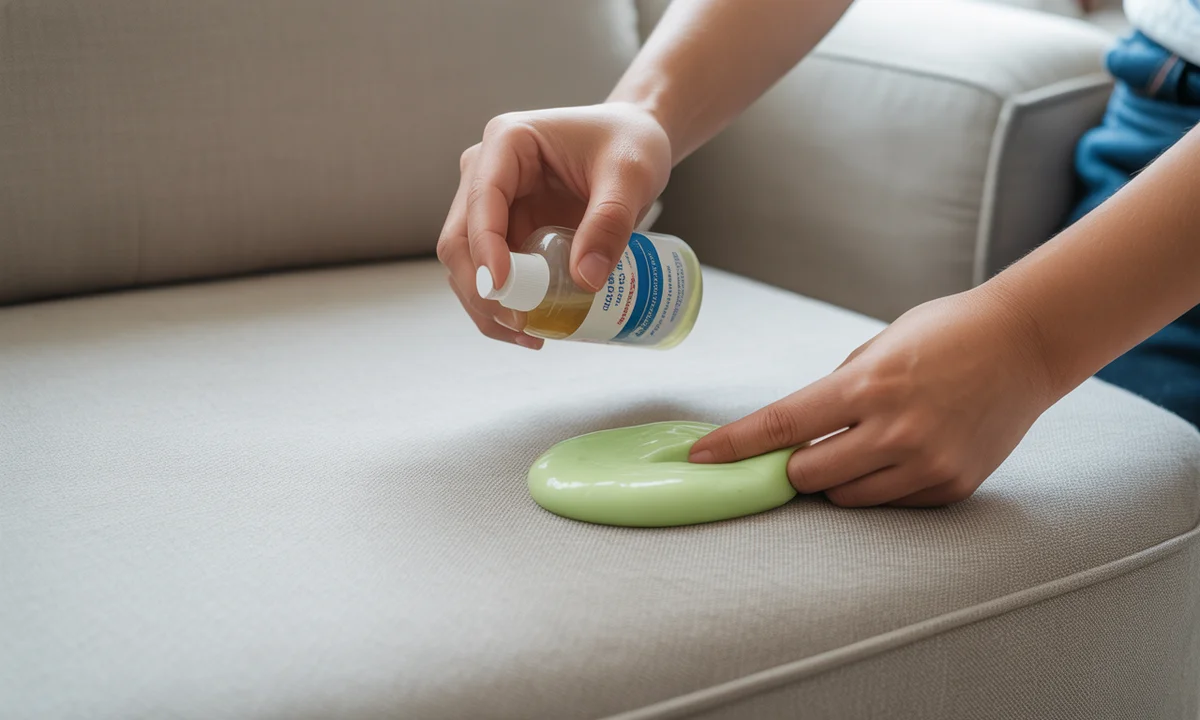
Slime, that colorful and captivating gel, brings joy to children but often leaves parents in despair when it lands on jeans, carpets, or freshly cleaned sofas. Its sticky and sometimes greasy nature, often enhanced with bright colors or glitter, can create stains that seem impossible to remove. However, there’s no need to panic! In 2026, you can tackle slime stains effectively without sacrificing your favorite clothing. Here’s a guide to help you eliminate every trace of slime without leaving any residue.
Key Takeaways for Spotless Textiles
- ✨ Act Quickly: Fresh slime is always easier to deal with than dried and embedded slime.
- 💡 Never Rub: Avoid rubbing the slime stain directly; instead, gently scrape off the excess.
- ✅ White Vinegar is a Champion: It effectively dissolves the sticky base of most slimes.
- ❄️ Cold is Your Best Friend: For dried slime, ice cubes or a freezer can work wonders to make it brittle.
- 💧 Liquid Detergent: Apply directly and soak to tackle the final traces and sticky residues.
- 🧵 Adjust Your Method: Tailor your approach based on the fabric type—gentle for silk and wool, more vigorous for cotton and denim.
- ⚠️ Avoid the Dryer: Never use the dryer until you are absolutely sure the stain is gone, as heat can set the stain permanently!
- 🔬 Targeted Solutions Exist: There are specific methods for colored stains, stubborn glitter, and greasy marks.
- 🛡️ Prevention is Key: Protect clothing and surfaces during playtime sessions.
Understanding Slime: Know Your Enemy to Defeat It
Picture this: a calm afternoon suddenly disrupted by a cry. The infamous slime, crafted with care, has landed on your child's favorite outfit. Before you spring into action, it’s essential to understand this unwelcome visitor better. Knowing your adversary is half the battle.
What is Slime Made Of? The Components that Make it Sticky
Slime, a phenomenon that has taken over social media and craft boxes, is a polymer substance with varying compositions. Typically, it consists of a PVA-based glue (polyvinyl alcohol) and an activator such as borax, liquid detergent, or saline solution. This mixture creates a chemical reaction that binds the molecules, resulting in that elastic and sticky texture. Some slimes are enhanced with dyes, glitter, polystyrene beads (for “fluffy slime”), or even essential oils for fragrance. The more additives present, the more complex the stain can be, as it may include pigments, micro-plastics, or fats.
Homemade slimes using strong glue and potent activators can adhere strongly to textile fibers. These polymers embed deeply into the weave, making a simple rinse often ineffective. Thus, targeted action is essential to avoid leaving any residue.
Every Fabric Has Its Weaknesses: How Slime Interacts with Cotton, Silk, and Synthetics
When faced with a slime stain, the type of fabric plays a crucial role. A sturdy cotton will react differently than a delicate cashmere sweater or a silk shirt. Just like in DIY projects, the right tool is essential for each material.
Natural fibers like cotton or linen are generally more resilient. They handle vinegar and most detergents well and can withstand some scrubbing. However, their porosity may allow pigments to penetrate deeply. Synthetic fibers (polyester, acrylic, elastane) resist initial adhesion better but can be sensitive to harsh solvents or excessive heat, which may melt the material or set the stain. Lastly, delicate fabrics like wool or silk require maximum care. These fibers can shrink with heat or be damaged by strong acids or intense friction. Therefore, testing on a hidden area (like a hem or the inside of a seam) is non-negotiable to check the fabric's reaction to the chosen cleaning method. Remember: it’s better to be cautious, especially with valuable garments!
Immediate Action: Removing Fresh Slime Without a Trace
Time is crucial when dealing with a fresh slime stain. Every minute counts to prevent the paste from embedding and drying. Acting promptly and methodically is key to a residue-free clean.
The First Step: Scrape, Peel, but Never Rub!
When slime first lands on a fabric, the biggest mistake is to panic and rub. Rubbing will only push the pigments and sticky material deeper into the fibers, making the stain harder to remove. The correct reflex is to gently remove the excess mechanically. Use the rounded edge of a spoon, a plastic spatula, or even the back of a non-sharp knife to delicately scrape off as much of the paste as possible. For very pliable slime, an effective grandmother's trick is to use a piece of clean slime. Dab it onto the stain: the dirty slime should adhere to the clean slime and gradually pull away. This gentle technique avoids damaging the fabric.
White Vinegar: The Secret Weapon Against Sticky Slime
Distilled white vinegar is one of your most effective and economical allies against slime. Its acidity helps dissolve the polymer base of the paste without harming most textiles. Here’s how to proceed:
- 🧪 Generously soak the stained area with white vinegar. Ensure the slime is fully covered. Do this over a sink or basin to avoid spills.
- ⏳ Allow the vinegar to act for 3 to 5 minutes. This time is crucial for the acid to begin dissolving the paste. If the stain is particularly stubborn, you can extend this time.
- 🧽 Use an old toothbrush, a soft scrubbing brush, or a clean cloth to gently scrub the stain in circular motions. The paste should start to break down. Feel free to add a bit more vinegar if necessary.
- 🚿 Rinse the area with warm water, continuing to gently massage with your fingers to help dislodge any remaining residues.
If the stain proves particularly persistent, isopropyl alcohol (rubbing alcohol) can be a powerful alternative to vinegar. It acts as a solvent that quickly dissolves the components of slime. However, always test it on a discreet area of the garment first, as it may be harsher than vinegar for certain dyes or synthetic fibers.
The Final Wash: Ensuring Total Elimination and Bidding Farewell to Residues
Once most of the slime has been removed and the fabric rinsed with vinegar, it’s time for the final step to ensure complete absence of residues and eliminate any potential vinegar odor. This is a crucial step to "seal" the cleaning.
Apply a few drops of your usual liquid detergent directly on the still damp area. Gently rub the fabric against itself or massage with your fingers to deeply penetrate the detergent. Let it sit for about 10 minutes. The enzymes and cleaning agents in the detergent will work on the last sticky films and residual pigments. Then, rinse thoroughly with warm water. The garment is now ready for machine washing, following the care label instructions meticulously. This is a golden rule in textile care: never exceed the recommended temperature to avoid damaging the fibers or setting an invisible stain.
The Time Challenge: Overcoming Dried Slime and Stubborn Stains
Dried slime presents a tougher challenge but is by no means insurmountable. It simply requires a bit more patience and a different approach. Don’t give in to the temptation to toss the garment!
When Slime Hardens: Tips to Make It Brittle and Easy to Remove
Dried slime loses its elasticity and becomes brittle. This characteristic is precisely what we will exploit. The trick is to make it even more brittle using cold. 🧊
Place ice cubes directly on the dried slime stain and let them sit for a few minutes. The cold will freeze the paste, making it hard and brittle. An even more effective alternative is to put the entire garment in a freezer bag and place it in the freezer for 30 minutes to an hour. Once the slime is rigid, it becomes much easier to scrape off. Use the edge of a spoon, the back of a non-sharp knife, or an old credit card to gently lift the hardened pieces. Proceed carefully to avoid pulling on the fabric fibers. The goal is to remove as much solid material as possible before introducing any liquids.
Strategic Soaking: When Hot Water and Detergent Work Wonders
Once the dried slime has been scraped off as much as possible, soaking becomes a key step to soften and dissolve deep residues. 🛀
Fill a basin with hot water (the temperature should be suitable for the fabric according to the care label, often 30 to 40 °C for non-delicate garments) and add a generous amount of liquid detergent. Submerge the stained garment and let it soak for at least 30 minutes. For particularly stubborn stains, an hour or longer may be required. The detergent, combined with heat, will work deeply to break down the structure of the slime. Occasionally agitate the garment in the water to assist the process. After soaking, rinse thoroughly with warm water to ensure all residues are removed.