Open Hearth Fireplaces: Weighing the Pros and Cons for Heating in 2026
Explore the pros and cons of open hearth fireplaces as heating solutions in 2026, including energy efficiency, safety concerns, and modern alternatives that combine aesthetics with performance.
In summary, the open hearth fireplace, an undeniable charm in our interiors, is under close scrutiny in 2026. While its inviting atmosphere remains appealing, limited energy performance and increasingly strict environmental regulations compel us to reassess its role as a primary heating source. This article delves into its true strengths and major drawbacks while guiding you toward modern, eco-friendly alternatives that balance aesthetics and efficiency. It serves as an essential guide to making an informed choice between tradition and modernity for your home.
Open Hearth Fireplaces: Supplementary Heating Amid Charm and Constraints in 2026
The crackling of wood, the mesmerizing dance of flames... Who hasn’t dreamed of an open hearth to warm their home and soul? An architectural classic, the open hearth fireplace often symbolizes conviviality and authenticity. However, beneath this idyllic image lie technical and environmental realities that are crucial to understand, especially as we approach 2026. Regulations are tightening, ecological concerns are growing, and energy efficiency is becoming a priority.
Faced with the inefficiency of open hearths as a primary heating system, many find themselves torn between the desire to maintain traditional charm and the necessity of making responsible choices. Is it still relevant to install or keep an open hearth fireplace today? The answer lies in a thorough understanding of its advantages, disadvantages, and the modern alternatives available. Together, let’s untangle the truth from the myths to make an informed choice that marries lifestyle with performance.
What is an Open Hearth Fireplace? Understanding a Tradition
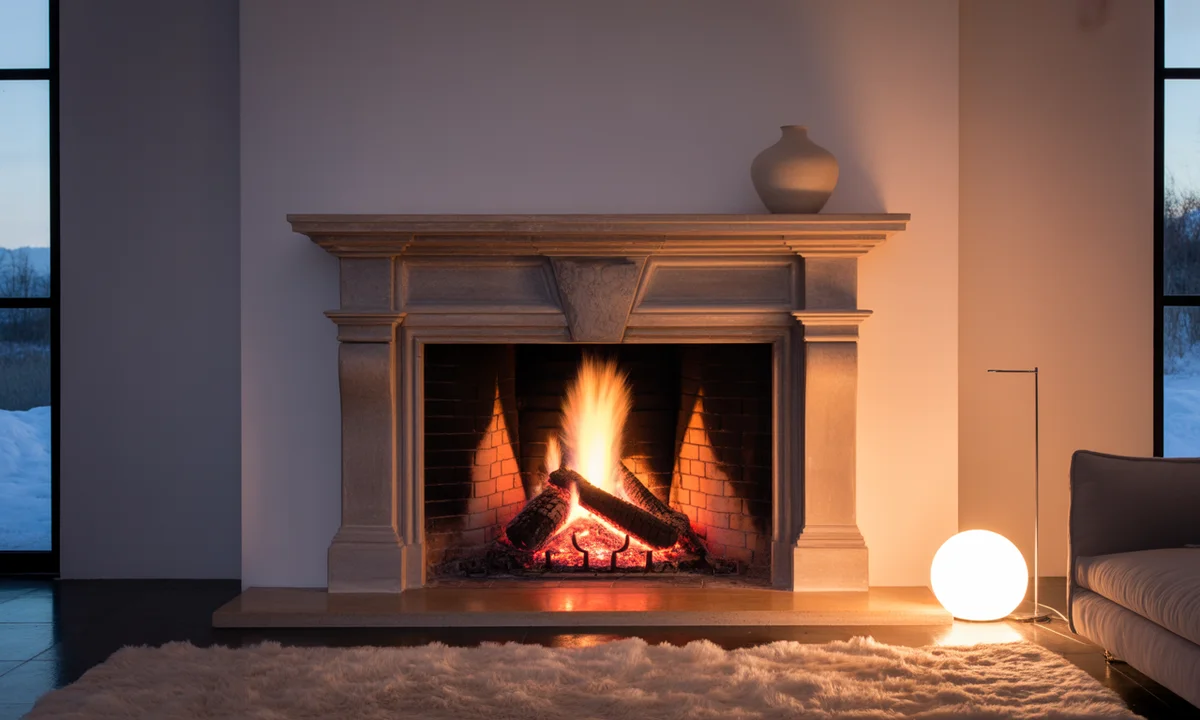
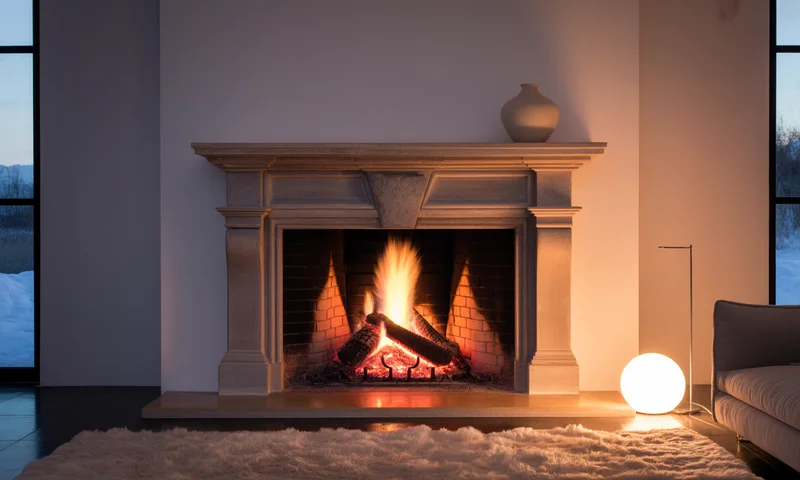
An open hearth fireplace is characterized by the complete absence of a door or glass. This design, inherited from our ancestors, provides a direct view of the flames, allowing full enjoyment of the fire’s spectacle. The classic style of these installations lends a certain authenticity to a room, creating a warm atmosphere particularly cherished during winter months.
The operating principle is straightforward: ambient air is drawn in at the base, feeding the wood combustion, while smoke is naturally expelled through the flue. Key elements include the hearth, the flue, the hood that captures smoke, and often a spark guard for safety. Traditional masonry, utilizing refractory materials like brick or stone, remains the most common construction method, ensuring resistance to high temperatures and a rustic aesthetic.
However, this very simplicity is the source of its main limitations regarding thermal efficiency. So, is it purely an aesthetic choice, or can it still be considered a legitimate heating method?
Energy Efficiency Under the Microscope: Concerning Figures
While the open hearth shines in aesthetics, its energy efficiency is a significant weakness. According to studies by ADEME, these installations only return 10 to 20% of the energy from wood as usable heat. This figure pales in comparison to the 70 to 85% achieved by modern inserts or wood stoves, and even exceeds 90% for the most efficient models in 2026.
This energy loss is attributed to a massive heat escape: nearly 85% of the energy produced escapes directly through the chimney flue. This results in a considerable overconsumption of wood, increasing not only your bills but also your environmental footprint. To achieve equivalent thermal comfort, one must burn three to four times more fuel than with a closed wood heating system.
Heat, primarily radiated, effectively warms only the immediate area around the fireplace. The entire house struggles to heat up, often necessitating supplementary heating. This is a crucial point to consider if the goal is to reduce overall energy consumption in the home.
Atmosphere vs. Performance: The Real Advantages and Heavy Drawbacks of the Open Hearth
The debate is eternal: should we prioritize atmosphere or performance? The open hearth fireplace directly confronts us with this question. However, in 2026, the balance increasingly tips toward efficiency and sustainability.
Timeless Charm and Unmatched Atmosphere
Despite its energy weaknesses, the open hearth retains undeniable emotional and aesthetic advantages. The direct view of the flames, the gentle crackle of wood, and the characteristic scent of a wood fire create a convivial and comforting atmosphere that is unparalleled. It serves as a decorative focal point that transforms the ambiance of any room, imparting a traditional cachet and a unique sense of well-being. For many, it embodies the essence of "home" that is absent with other heating systems.
Moreover, initial installation costs may be lower than those of an insert or wood stove, especially if the chimney structure already exists. This feature sometimes makes it an attractive option for limited budgets, although one must then consider long-term operating and maintenance costs.
Risks and Constraints: What You Must Know
Beyond its low efficiency, the open hearth fireplace presents major disadvantages, particularly regarding safety and public health. The fire hazard is higher due to sparks that may escape from the hearth. A spark guard is essential but not always sufficient.
Indoor pollution is an increasing concern. Without protective glass, smoke and fine particles can spread throughout the room, degrading the quality of the air we breathe. These particles are responsible for respiratory and cardiovascular issues, a reality that health authorities continuously emphasize. In cases of poor draft, the risk of carbon monoxide—a colorless and deadly gas—spreading increases. Proper ventilation of the room is therefore crucial.
Additionally, regulations are tightening progressively in France. Many urban areas have already implemented partial or total bans on the use of open hearths, particularly during air pollution peaks. New constructions are subject to strict energy efficiency standards, and homeowners are increasingly encouraged to turn to cleaner and more efficient solutions. It is essential to inquire with your local municipality to understand the current restrictions.
Weighing the Options: Open Hearth, Inserts, and Wood Stoves
| Criterion | Open Hearth Fireplace | Insert Fireplace | Wood Stove | |-------------------------|-----------------------|------------------|---------------------| | Efficiency | 🔴 Very Low | 🟢 Medium to Good | ⭐️ Very Good to Excellent | | Safety | ⚠️ Average | ✅ Good | 🔒 Excellent | | Pollution | 🏭 High | 🟠 Moderate | 🌿 Low | | Installation Cost | 💰 Low | 💸 Moderate to High | 💸 Moderate to High | | Maintenance | 🧹 Moderate | 🧹 Moderate | 🧹 Moderate | | Comfort / Use | 🕯️ Visual | 🌡️ Stable | 🔥 High Performance |
The values and estimates are indicative and may vary based on models, installation, and usage.
Always consult a qualified professional for the installation and maintenance of your wood heating system.
Opting for Efficiency: Modern Alternatives for Your Hearth
Given the limitations of open hearths, the market now offers solutions that are both aesthetically pleasing and significantly more efficient. In 2026, upgrading your wood heating system means investing in comfort, safety, and sustainability. So, what are the best options?
The Insert Fireplace: Transforming Your Existing Hearth
The insert fireplace is the most popular solution for transforming an existing open hearth. It represents a true revolution in energy efficiency, capable of tripling or quadrupling the output of your old fireplace. By enclosing the hearth with a glass door, it optimizes combustion and drastically reduces heat loss through the flue.
Beyond wood savings, the insert significantly enhances safety. The glass limits spark projections and reduces smoke spread in the room. Installing a closed fireplace insert is a cost-effective investment that preserves the aesthetics of your traditional fireplace while modernizing it. Some models even offer heat recovery systems to further optimize heat distribution throughout the home.
Wood Stoves: Performance, Design, and Ecology
Modern wood stoves represent another excellent alternative. With efficiencies often exceeding 80%, they provide an ideal compromise between effectiveness and a warm ambiance. Their often sleek designs integrate perfectly into both contemporary and traditional interiors.
Many models incorporate advanced technologies, such as double combustion, which burns unconsumed gases during the first phase, thereby reducing pollutant emissions and increasing efficiency. Installing a wood stove also allows for better heat distribution through convection, heating the room more evenly.
Whether you choose a pellet stove for its autonomy or a log stove for the enjoyment of flames, these devices meet current and future environmental requirements.
Towards Hybrid Systems: Combining Tradition and Innovation
As the demand for efficient heating solutions grows, hybrid systems that blend traditional aesthetics with modern technology are becoming increasingly popular. These systems aim to harness the best of both worlds, providing the comfort of an open hearth while ensuring higher energy efficiency and lower environmental impact.
In conclusion, while the open hearth fireplace holds a nostalgic charm, it is essential to weigh its limitations against modern alternatives that offer better performance and sustainability. As we move forward, making informed decisions about heating solutions will not only enhance our living spaces but also contribute to a more sustainable future.