
Scaffolding for Home Construction: Key Considerations for Builders in Brandenburg
Professional scaffolding in Brandenburg is essential for ensuring that construction workers can work safely, cleanly, and on schedule. This article covers important considerations for builders.

The choice of professional scaffolding in Brandenburg plays a crucial role in ensuring that construction workers can operate safely, efficiently, and within schedule. For anyone involved in building, renovating, or insulating facades in Brandenburg or the surrounding Berlin area, the need for professional scaffolding becomes inevitable. Builders often face essential questions: What type of scaffolding is suitable for their project, who is responsible for its setup, and how can they identify a reputable provider?
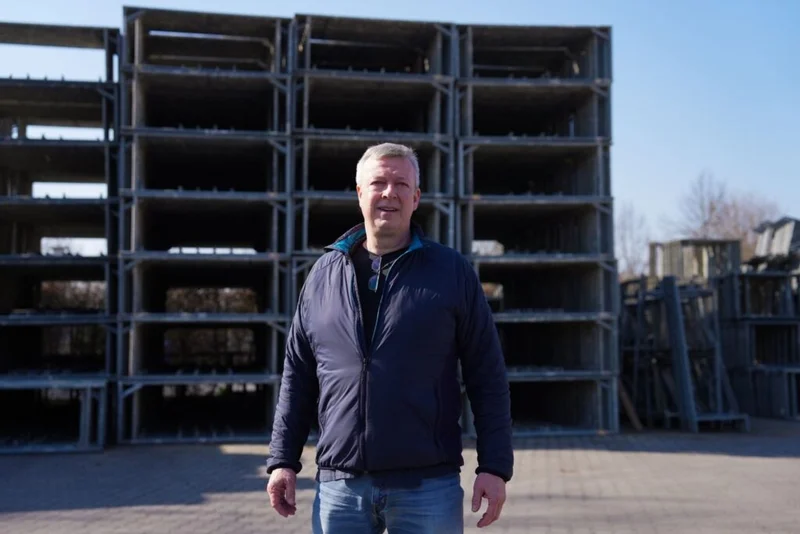
The Importance of Scaffolding Beyond Just a Framework
Scaffolding serves as the workplace for various trades, including construction, roofing, painting, plastering, window installation, and electrical work on external walls. Without it, construction halts. If improperly sized, it can lead to delays, additional costs, or, in the worst-case scenario, accidents. Therefore, scaffolding is a critical expense where cost-cutting can lead to significant repercussions. A well-planned scaffolding setup can save time later, while an appropriate protective scaffolding can prevent damage to neighboring buildings or one’s own garden.
In Brandenburg and the Berlin area, many specialized companies offer scaffolding services. When seeking a skilled partner for professional scaffolding, builders should consider experience with various construction projects, modern system scaffolds, and a clear process for planning, erecting, and dismantling.
Choosing the Right Scaffolding for Your Project: Insights from Andreas Walther
Home Construction Blog & Diary: Mr. Walther, welcome to our blog. Let’s start with the basics: not every construction project requires the same type of scaffolding. What types are relevant for common construction tasks?
Andreas Walther: That’s correct; the requirements vary significantly. However, there are several types that frequently appear in construction projects. The facade scaffolding is commonly used for new builds, extensions, and for plastering and insulation work. It runs along the outer wall and supports the weight of workers and materials. Then there’s the working and protective scaffolding , which also safeguards against falls, falling materials, or weather impacts—especially important during roofing work or in densely built areas. A weather protection roof is also very useful, particularly when the roof structure is exposed, allowing renovation work to continue regardless of weather conditions. Additionally, we often use stair towers and construction lifts to facilitate material transport in multi-story projects, easing the burden on workers. For unique needs, such as very high ceilings, stairwells, or unusual building shapes, we employ space and special constructions as well.
Home Construction Blog & Diary: A common question from our community concerns liability: who is responsible for the scaffolding if something goes wrong?
Andreas Walther: Generally, the scaffolding contractor is responsible for proper installation and handover. They must ensure that the scaffolding is erected according to applicable regulations and the manufacturer’s setup and usage instructions. Afterward, they hand it over with appropriate labeling. However, the workers from other trades who will use the scaffolding should inspect it for visible defects before starting work.
Home Construction Blog & Diary: Do you have any tips for builders regarding this issue?
Andreas Walther: Absolutely: As a builder, ensure you receive a written handover and a clear agreement on the duration of use. If the construction time extends, additional rental costs usually apply. Clarifying this in advance can help avoid unpleasant surprises on the final invoice.
Home Construction Blog & Diary: With so many providers available, what should builders particularly look for when selecting a scaffolding contractor? Is it just about the price?
Andreas Walther: Definitely not. A professional scaffolding company is identified more by its working methods than by its pricing. It’s worth paying attention to the following points:
- On-Site Visit: Reputable providers will inspect the construction site beforehand rather than simply calculating based on square meters.
- Clear Quotation: The setup and dismantling, base rental period, rental price, and additional services such as safety nets or a construction lift should be itemized in the quote.
- Material Quality: Ensure that modern system scaffolds from reputable manufacturers—such as Layher—are used. These are statically tested and designed for defined load classes.
- Local Proximity: Travel distances directly impact price and response time. A company from the local area, such as one from Brandenburg, Teltow, or the Berlin vicinity, is usually much quicker to respond for any necessary adjustments.
- References: Request to see projects in new construction, renovation, or preservation. This will quickly show whether the provider is a good fit for your specific project.
Home Construction Blog & Diary: Is there a common mistake in scaffolding planning that you frequently observe on construction sites?
Andreas Walther: A very common mistake is ordering the scaffolding too late. Especially during the peak months of the construction season, from spring to autumn, local capacities can quickly become limited. Planning a few weeks in advance greatly increases the chances of securing your desired date. This also allows for a more coordinated setup and subsequent trades.
Home Construction Blog & Diary: What does optimal planning look like instead?
Andreas Walther: Engage early with your construction manager or directly with us as scaffolding contractors. It needs to be clarified which trades will utilize the scaffolding, how long it is expected to be in place, and whether special solutions like a weather protection roof are necessary. The rule of thumb is: the more precise your requirements are, the more realistic our quote will be, and the smoother your entire construction process will run.
Home Construction Blog & Diary: Thank you, Mr. Walther, for these valuable and practical insights!