Understanding Noises in Your Plumbing: Causes and Solutions
Unusual sounds from plumbing can indicate specific issues. Learn how to identify and address these noises effectively to maintain your household.
Unusual sounds from your plumbing, such as a whistling when turning on a tap, a dull thud in the wall, or gurgling in the drain, often signal specific issues within the pipes. With the right indicators, identifying the source of the noise is usually straightforward.
High water pressure, trapped air in the pipes, loose fittings, or accumulated limescale are among the most common culprits. Here’s how to spot and address these problems effectively.
What Causes Noises in Plumbing?
Plumbing noises typically stem from high water pressure, inadequate fittings, pipe expansion, or limescale buildup. Each issue produces a distinct sound, aiding in the diagnosis of the problem.
High Pressure, Expansion, and Limescale
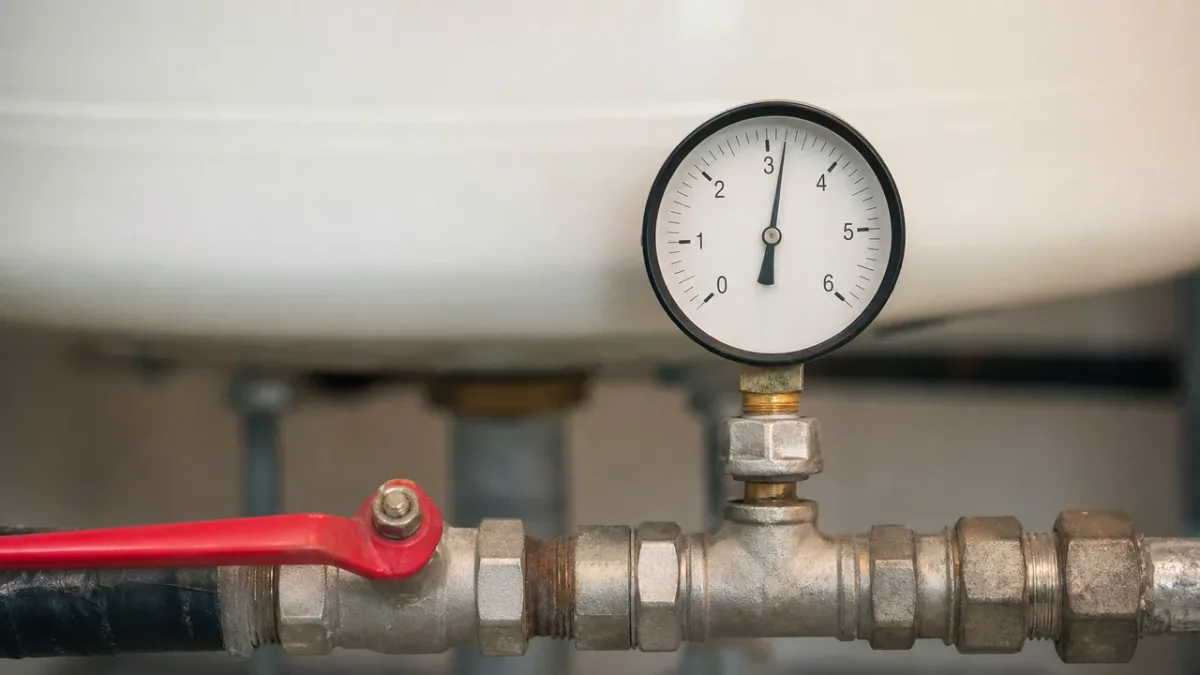
One of the primary reasons for plumbing noises is excessive water pressure. When pressure exceeds approximately 3 to 4 bars, water flows more rapidly, leading to whistles or vibrations. This overpressure can also cause water hammer when a tap is abruptly closed.
Limescale can reduce the internal diameter of pipes and disrupt water flow, resulting in circulation noises. Additionally, the expansion of pipes, particularly copper ones near the water heater, can create creaking sounds as temperatures fluctuate.
Loose Fittings and Trapped Air
Loose or improperly positioned pipe clamps can cause pipes to vibrate against walls when water flows through. This issue is particularly noticeable at night when the home is quieter.
Trapped air in the plumbing system can also disrupt flow. Air bubbles or pockets often lead to repeated thumping or gurgling, especially after draining or performing work on the network.
How to Identify the Source of Noise in Your Pipes
To pinpoint the origin of plumbing noise, pay attention to the type of sound and when it occurs. A dull thud right after closing a tap typically indicates water hammer, while a continuous whistle suggests a pressure problem or reduced water flow. Careful listening can help narrow down the cause before taking action.
Several simple checks can further refine your diagnosis:
- Pressure: Measure it with a pressure gauge and compare it to the recommended range of 2 to 3.5 bars.
- Fittings: Inspect visible clamps for looseness or movement when touched.
- Drains: Note any gurgling or slow drainage, which can indicate insufficient ventilation or an emerging blockage.
- Fixtures: Examine the condition of seals and cartridges, which are often responsible for localized whistling.
The timing of the noise also offers valuable clues. A sound that occurs only with hot water may stem from pipe expansion or the water heater. If it happens with both hot and cold water, the issue is usually related to pressure or fittings.
Does the Noise Indicate a Pressure, Air, or Fitting Issue?
Plumbing noises often provide hints about their source. High pressure can cause whistling when a tap is turned on and water hammer when it is closed, typically confirmed by readings above 3 or 4 bars.
Trapped air in the system tends to create gurgling or repeated thumping, especially after maintenance or draining. Loose fittings may lead to localized banging in walls, with pipes vibrating as water flows through.
These issues can also compound. Excessive pressure can amplify vibrations from poorly secured installations or exacerbate noises related to air trapped in the pipes. Therefore, it is crucial to observe the sounds, check fittings, and monitor pressure for a reliable diagnosis.
Blockage or Limescale: How to Differentiate These Causes
A blockage is often indicated by gurgling or bubbling in the sink, basin, or toilet. This sound typically suggests a partially obstructed drain. It may also stem from a ventilation issue in the drainage column without an actual blockage.
Limescale, on the other hand, generally causes whistling near water points or dull noises when taps are opened and closed. By narrowing the water passage in pipes and fixtures, it creates turbulence that leads to these auditory disturbances.
| Noise Heard | Likely Cause | |----------------------------------|-----------------------------------------| | Gurgling in the drain | Partial blockage or insufficient ventilation | | Whistling upon opening | Limescale buildup or excessive pressure | | Dull thud upon closing | Water hammer | | Banging in the wall | Loose fitting |
How to Permanently Eliminate Noise in Plumbing
To effectively eliminate plumbing noises, it is essential to address their root causes rather than merely masking the sound. Here are solutions tailored to specific issues:
- Reduce pressure: Install or adjust a pressure reducer if it exceeds 3.5 bars.
- Address water hammer: Install a balancing valve or membrane aerator if hammering persists after pressure adjustments.
- Secure fittings: Tighten or replace clamps with models that include insulating inserts to minimize vibration transmission to walls.
- Descale pipes: Clean faucet cartridges and seals to remove constrictions causing whistling.
- Purge air: Open all taps simultaneously for a few minutes, then close them from the farthest to the nearest.
A purge limited to a single tap may not suffice, as air can remain trapped in other parts of the system. Consequently, the noise may return shortly, giving the impression that the problem remains unresolved.
When Should You Be Concerned About Noises in Your Pipes?
Be cautious if a noise accompanies a continuous water flow without the use of a plumbing fixture. This may indicate a leak in the system. Repeated water hammer should also be taken seriously, as it can weaken joints over time.
Conversely, slight creaking related to copper expansion or occasional gurgling after a high water flow is generally not a cause for alarm. A one-time noise associated with use is normal, while a new, frequent noise or one linked to a decrease in flow warrants investigation.
Keep an eye out for minor daily plumbing signs, much like choosing toilet paper that dissolves easily to protect your pipes over time.