Understanding the Curing Time of Semi-Permanent Nail Polish: LED vs UV
The curing time of semi-permanent nail polish varies based on the lamp used. Expect around 30 to 60 seconds per layer under LED lamps, compared to 60 to 120 seconds with traditional UV lamps. Lamp power and polish brand also influence drying duration.
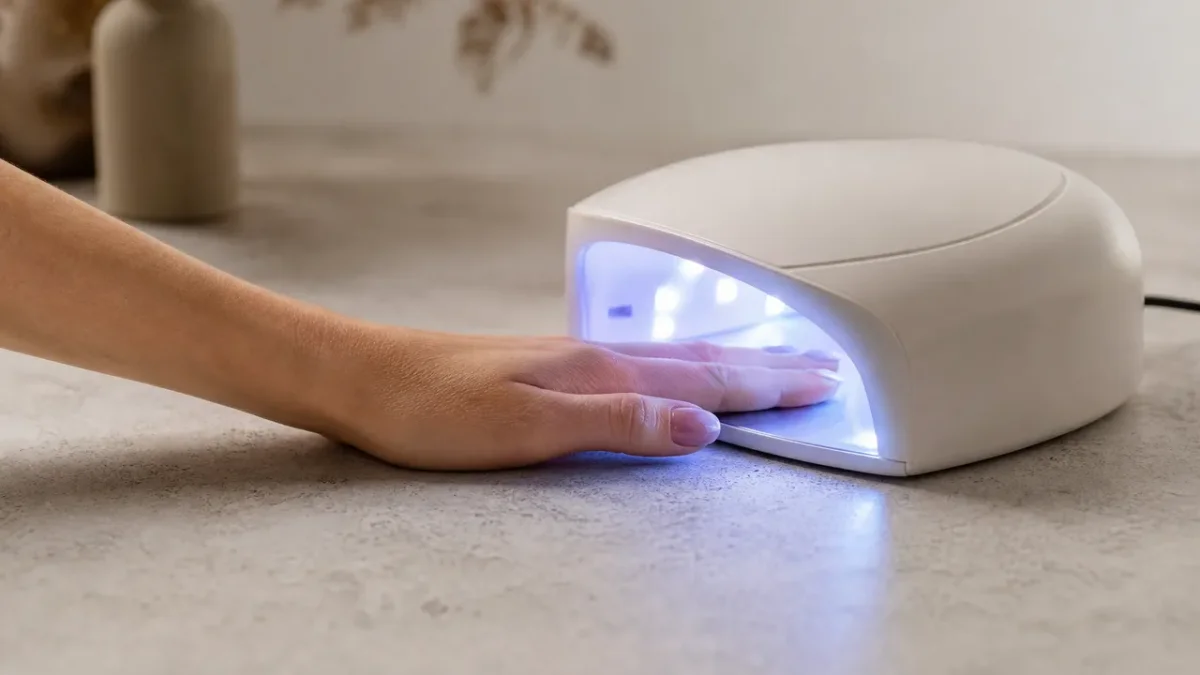
The curing time of semi-permanent nail polish largely depends on the type of lamp used. Typically, LED lamps require about 30 to 60 seconds per layer, while traditional UV lamps take between 60 to 120 seconds. Factors such as lamp power and the brand of polish can also affect the total drying time.
Curing Time for Semi-Permanent Polish Under LED and UV Lamps
The curing time for semi-permanent polish varies significantly based on the lamp type. LED and UV models do not dry at the same rate, and improper settings can compromise the outcome of your manicure.
Under LED Lamps
Modern LED lamps generally cure each layer in 30 to 60 seconds. More powerful models can expedite the drying process, typically curing the base and color in about a minute, while the top coat may require up to two minutes.
Conversely, less powerful lamps may necessitate additional time. Dark or highly pigmented polishes often require longer curing times to set properly.
Under UV Lamps
Classic UV lamps generally require 60 to 120 seconds per layer. Depending on the lamp's power, some models may need as long as 2 to 3 minutes. This older technology offers slower drying compared to LED lamps but can achieve similar results.
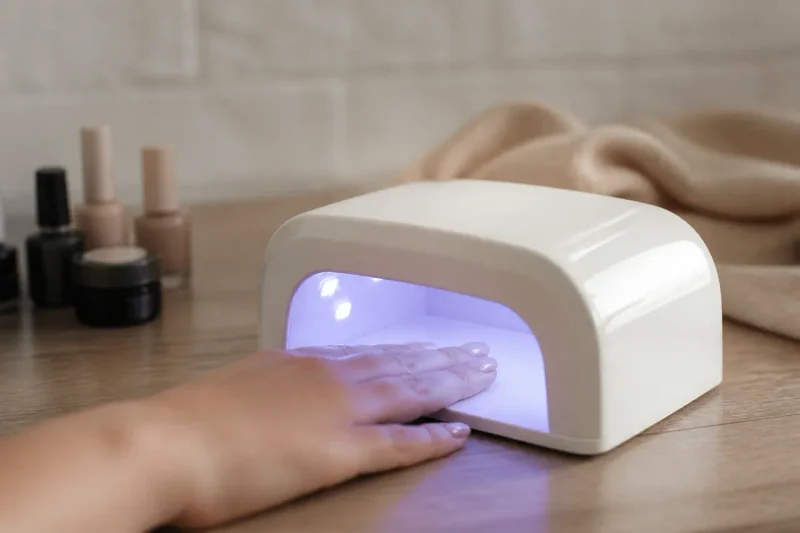
It's crucial to adhere to the manufacturer's recommendations rather than relying solely on average durations. Each formula is designed to work with a specific type of lamp, and the instructions on the bottle or packaging serve as the best reference.
Curing Times for Each Layer (Base, Color, Top Coat)
Each step in applying semi-permanent polish has its own curing time. The base coat typically cures in 30 to 60 seconds under LED and 1 to 2 minutes under UV.
The color layer follows similar durations, although highly pigmented shades may take longer. The top coat often requires additional time, ranging from 60 to 120 seconds, as it provides protection and finalizes the manicure.
- Base coat: 30 to 60 seconds under LED, 1 to 2 minutes under UV.
- Color layer: 30 to 60 seconds under LED, up to 2 minutes under UV, depending on the brand.
- Top coat: 60 to 120 seconds, occasionally up to 2 minutes for a durable glossy finish.
An essential rule is that each layer must be cured separately. Applying multiple layers without curing under the lamp prevents proper hardening and increases the risk of peeling. Always favor thin layers. A layer that is too thick may not cure properly, even if the exposure time is adequate.
Degreasing varies by brand recommendations. Some bases need to remain intact to enhance color adhesion. Generally, it is advisable not to degrease between color layers, as this can affect coverage and the final result.
How to Determine if Semi-Permanent Polish is Properly Cured
A correctly cured semi-permanent polish should have a smooth, hard surface without any dull spots or soft areas when touched. To check the durability, gently run a wooden stick along the edge of the nail: no marks should appear.
Do not confuse improperly cured polish with the thin sticky layer that remains after curing under the lamp. This inhibition layer is normal and promotes the adhesion of the next layer. It should typically not be removed before applying the final top coat.
If the polish feels soft, marks under pressure, or has an uneven shine, extend the curing time. Conversely, overexposure can negatively affect certain top coats and lead to yellowing over time.
Reasons for Sticky or Incomplete Curing of Semi-Permanent Polish
An outdated lamp or worn bulbs may result in incomplete curing. Over time, the light output diminishes, even if the device appears to function normally. If problems persist, check the condition and age of your lamp.
The thickness of the layers is also a crucial factor. A heavily applied layer can prevent light from penetrating deeply enough, leaving the polish soft even if the surface appears dry. Here are the most common causes to check:
- Underpowered lamp: a worn bulb or old lamp reduces curing effectiveness.
- Too thick layer: applied to save time, it blocks light from reaching the polish thoroughly.
- Insufficient time: not adhering to the brand's recommendations or the lamp's power.
- Missing degreasing: a persistent sticky residue after the top coat often indicates a lack of cleaner at the end of the application.
If the polish is sticky only after applying the top coat, two common issues are usually at play. The final degreasing with cleaner may have been overlooked, or the curing time for the top coat may have been inadequate. This residue is distinct from the normal inhibition layer present after previous steps.
How Long Does Semi-Permanent Polish Last Once Applied?
A well-executed application of semi-permanent polish typically lasts 2 to 3 weeks without chipping. With careful application and proper curing, some manicures can maintain their shine for around 3 weeks.
However, longevity depends on several factors: the rate of nail growth, daily activities such as cleaning or manual labor, and the level of maintenance. Wearing gloves and regularly applying cuticle oil can help preserve the manicure.
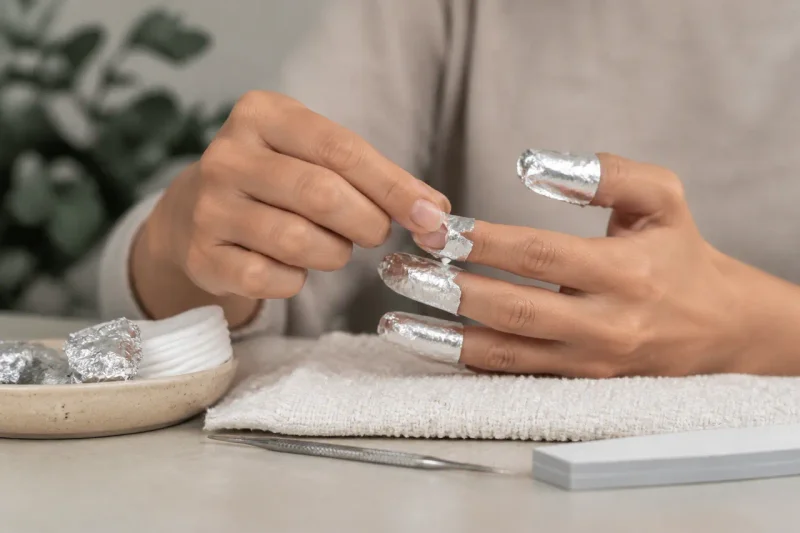
During removal, allow about 10 to 15 minutes with acetone-soaked cotton pads secured under aluminum foil. Gently remove the residue to avoid damaging the natural nail. If you prefer to avoid acetone, learn how to remove polish without a solvent.
Experts generally recommend taking a break of 1 to 2 weeks between applications of semi-permanent polish. This pause helps maintain the keratin in the nail and reduces the risk of weakening.
Repeated applications without breaks can weaken the nail plate, especially if the removal is done by peeling or scraping off the polish instead of using an appropriate acetone-based method. If you are unsure about doing your manicure yourself or visiting a professional, consider checking our comparison of salon prices.