
Air Conditioning in the Home: Systems, Integration & Efficiency
As summer heatwaves become more common, effective air conditioning systems are essential for maintaining comfort in homes. Discover the importance of planning, system selection, and integration for optimal efficiency.

With summer heatwaves becoming a regular part of our climate, indoor temperatures are increasingly rising.
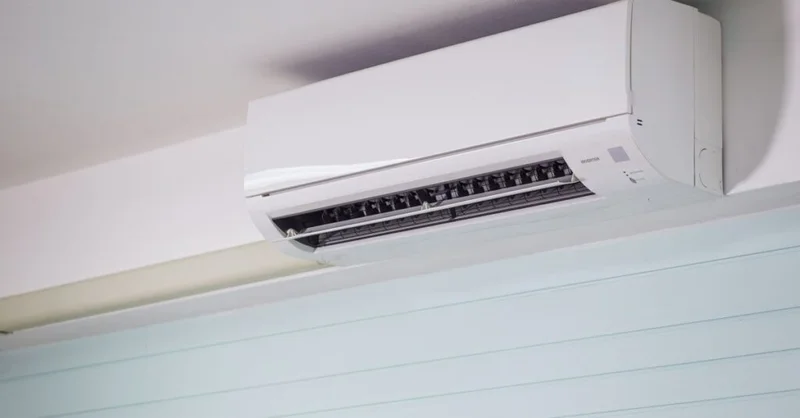
This shift has led to air conditioning moving from a luxury to a central consideration in home planning and renovations. A well-designed climate control system significantly enhances living quality, promoting restful sleep during warmer months while also protecting the building structure from potential damage caused by humid, warm air.
Installing such a system requires careful planning to ensure that aesthetics, functionality, and energy consumption are harmoniously aligned. This is relevant whether the technology is being integrated into a new build or an existing structure.
Choosing the Right System: Split Units or Heat Pumps
When selecting an air conditioning solution, several technical options are available. Split air conditioning units, which consist of an outdoor unit and one or more indoor devices, have proven to be effective. These systems operate relatively quietly and can cool rooms to the desired temperature efficiently.
Another option is to link cooling directly with the home's heating system. For instance, a modern heat pump can circulate cool water through underfloor heating on hot days, gently lowering room temperatures without creating a disruptive draft.
Expert knowledge is essential for the selection and installation of these systems. Experienced professionals, such as those from lkk-technik.de, provide the necessary expertise to tailor the technology to the size of the space and the building's insulation.
Accurate calculations beforehand are crucial to avoid installing units that are either too large or too small. This not only protects the equipment but also ensures smooth operation and maintains energy consumption within reasonable limits.
Aesthetic Integration into Home Design
Today's air conditioning units can be integrated into home designs without appearing as intrusive elements. Modern indoor devices often feature sleek, unobtrusive designs, and there are various ways to place them almost invisibly within a room.
For example, flat ceiling cassettes can be seamlessly installed into suspended ceilings, while entire duct systems can be concealed within walls, leaving only narrow ventilation grilles visible.
The placement of the outdoor unit also requires careful consideration. Its location should be chosen to ensure that normal operational sounds do not disturb living or sleeping areas inside the home or neighboring properties.
To visually blend the outdoor unit into the landscape, homeowners can use attractive coverings made of wood or metal, allowing the technology to harmonize with garden designs or the overall facade of the house.
For added everyday convenience, connecting the air conditioning system to a smart home setup is often beneficial. This allows for automated control that adjusts according to daily routines and current sunlight conditions.
Sustainability and Economic Operation
Today, air conditioning can coexist well with ecological awareness. The energy demand of a cooling system can be effectively met through self-generated energy. A photovoltaic system installed on the roof provides the highest yield precisely when cooling is most needed, during sunny afternoons. This intelligent combination significantly reduces ongoing electricity costs while improving the building's CO2 footprint.
Inverter technology also contributes to economical operation. These systems adjust their output continuously to match the actual cooling demand, avoiding the need to switch on and off at full capacity repeatedly. This not only protects the components but also keeps energy consumption consistently low.
Regular maintenance is essential to ensure the technology operates reliably and the indoor air remains clean. Proper cleaning, routine filter replacements, and checks of the refrigerant circuit help maintain constant air quality and ensure the system's efficiency over many years.
Conclusion: Investing in Comfort and Property Value
A professionally installed air conditioning system enhances a home’s value over time. It transforms overheated living spaces into cool retreats, significantly increasing everyday comfort.
By combining reliable technology, discreet visual integration, and smart use of solar energy, homeowners can create a cohesive overall concept. Thus, both builders and homeowners are not only investing in their comfort during warm days but also making a measurable contribution to preserving the long-term value of their property.