
Considerations for Choosing a Heat Pump for New Builds and Renovations
With rising energy costs and a desire for eco-friendly heating, many homeowners are considering heat pumps. Key factors include insulation, heating surfaces, and professional planning.

As energy costs rise and the demand for eco-friendly heating solutions grows, many homeowners are contemplating new heating options. The most crucial factor in determining whether a heat pump is suitable for a new build or a renovation hinges on three key aspects: the insulation condition of the building, the existing heating surfaces, and the careful planning by an experienced professional. Understanding these criteria can significantly enhance decision-making confidence.
The Growing Appeal of Heat Pumps for Builders and Renovators
Heating concerns are not limited to new constructions. Homeowners with older properties eventually reach a point where their existing heating system must be replaced. Heat pumps have proven to be a reliable technology in both scenarios, extracting warmth from the environment, such as outdoor air or groundwater, and making it usable for heating and hot water.
These systems are considered efficient because they draw a large portion of the required energy from the environment at no cost, only requiring electricity for operation. This can significantly affect ongoing heating costs and reduce CO₂ emissions compared to fossil fuel heating systems. Additionally, government incentives support the transition, with specific terms depending on the project. For instance, those planning a reliable heat pump installation in Treuchtlingen can find comprehensive advice, design, and support for funding inquiries through regional specialists like MB Gebäudetechnik.
Types of Heat Pumps Suitable for Residential Buildings
For single-family homes and smaller residential buildings, two primary types of heat pumps are commonly available, differentiated by their heat source:
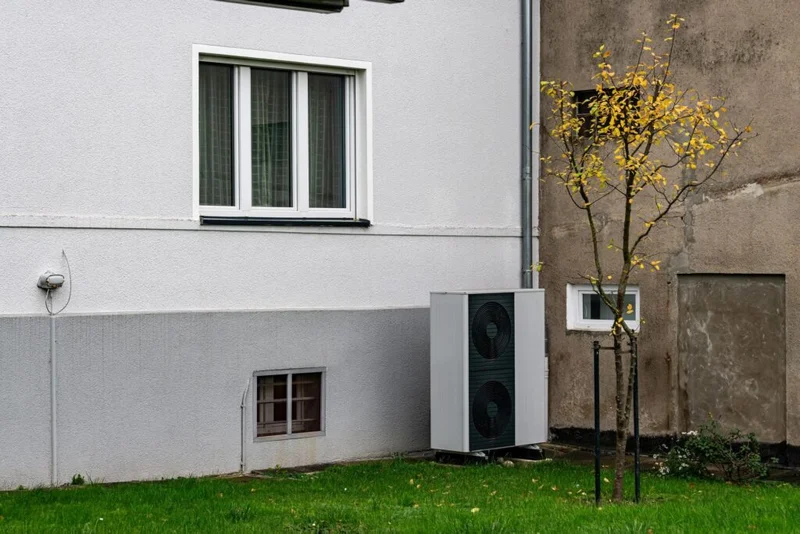
- Air-Water Heat Pump: This type harnesses heat from the outside air and transfers it to the heating system and hot water supply. Since it does not require access to soil or groundwater, it is flexible for both new builds and existing structures. Selecting an appropriate location for the outdoor unit is crucial.
- Water-Water Heat Pump: This variant draws energy from groundwater and operates particularly efficiently due to the consistently tempered source. However, it necessitates well construction and permits from the relevant authorities.
Other options include ground-source heat pumps, which extract heat from the soil. For most property owners, the decision typically begins with whether the simpler air-based solution suffices. Ultimately, the best choice depends on the land, building characteristics, heating habits, and budget; there is no one-size-fits-all recommendation. A thorough examination of the local conditions is essential.
Key Considerations for Planning and Selecting a Professional
The efficiency and reliability of a heat pump largely depend on the planning and execution rather than the device itself. A reputable planning process includes several important factors:
- Building Condition and Insulation: Better insulation allows for lower supply temperatures and enhances the system's efficiency during operation.
- Heating Surfaces: Underfloor heating or adequately sized radiators facilitate economical operation; replacing older, smaller radiators may be advisable.
- Space Requirements: The outdoor unit needs a suitable location with adequate distance from neighboring properties and free from disturbing sound reflections off walls.
- Funding: Grants can significantly impact the investment. As programs and conditions change, checking the current funding landscape should be prioritized.
- Comparing Offers: Obtaining two to three quotes helps clarify the design and service scope, not just the costs.
Additionally, a heating load calculation is essential to determine the actual power requirements of the building, preventing oversizing of the system. An experienced contractor will assess insulation, heating surfaces, and installation conditions, rather than offering a generic device recommendation. If heating, hot water, and ventilation need to be integrated, it is beneficial to work with a company that covers multiple trades in building technology.
Process from Initial Consultation to Ongoing Maintenance
A heat pump project typically follows a similar progression. It begins with a consultation where the contractor assesses the building, heating behavior, and hot water needs to identify suitable systems; funding options are often discussed at this stage. Following this, detailed planning involves designing the system, positioning the outdoor unit, and integrating it into the existing building technology, such as the heating circuit and hot water storage.
Depending on the building, preliminary work may be required before installation, such as replacing certain radiators, adding a new hot water tank, or making electrical adjustments. Early planning of these aspects can prevent delays during installation. A well-organized contractor coordinates the various trades, from heating installers to electricians, ensuring seamless progress without prolonged interruptions. The installation itself may take only a few days; afterward, the system is calibrated, and residents are familiarized with its key functions.
To maintain long-term efficiency, regular maintenance is crucial: filters, heat exchangers, and settings need to be checked, with minor issues addressed promptly. Many contractors offer maintenance contracts with fixed inspection intervals. Companies like MB Gebäudetechnik in Treuchtlingen provide support throughout the entire process, from initial consultation to maintenance and repairs, ensuring homeowners have a reliable local contact even years after installation.
Frequently Asked Questions About Heat Pumps
Is a Heat Pump Worth It for an Unrenovated Old Building?
The feasibility primarily depends on the insulation condition and existing heating surfaces. In poorly insulated homes with small radiators, the system may operate inefficiently; often, it becomes viable only after partial modernization, such as replacing certain radiators or insulating the top floor ceiling. If unsure, homeowners can start with simple observations: Do the rooms stay warm enough on cold days without the system constantly running at full capacity? Ultimately, a professional assessment will determine if the transition is worthwhile.
How Noisy Is an Air-Water Heat Pump During Operation?
Modern units are designed for low operational noise and are generally unobtrusive in daily life. However, the installation site should be carefully planned: maintaining distance from property lines, avoiding placement directly in front of bedroom windows, and ensuring a sound-dampening foundation can help prevent disturbances. Conflicts typically arise more from poor placement than from the technology itself, underscoring the importance of collaboratively determining the location with the contractor.
What Role Does Funding Play in the Decision?
Funding can significantly influence the investment and improve economic viability. However, the exact amount depends on individual circumstances, such as the building, the existing heating system, and current program conditions. Therefore, discussing the funding situation early with the contractor is essential.
Can a Heat Pump Be Combined with Existing Heating?
In transitional phases, this is possible: a gas or oil heating system can initially handle peak loads while the heat pump provides the majority of the heat. However, long-term planning usually aims for complete replacement to avoid double maintenance costs. Combining with a photovoltaic system is also common, as self-generated electricity can further reduce the ongoing costs of the heat pump.
Conclusion: Effective Planning Over Hasty Decisions
A heat pump is not a universal solution for every building, but for many homes, it represents a sustainable option—provided that insulation, heating surfaces, and installation conditions are appropriate. Ultimately, the synergy of technology, building characteristics, and craftsmanship is what matters most. By taking the mentioned criteria seriously and carefully comparing offers, homeowners lay the groundwork for a heating system that reliably provides warmth for years. The best way to determine if your home is suitable is through a personal consultation on-site.