Humidity in the Home: What Signs Should Alert You and How to React?
Are you noticing a stain on the ceiling or a musty smell settling in? These signals are often dismissed as minor inconveniences. However, they are not. Untreated humidity can damage structures, promote mold growth, and degrade air quality.
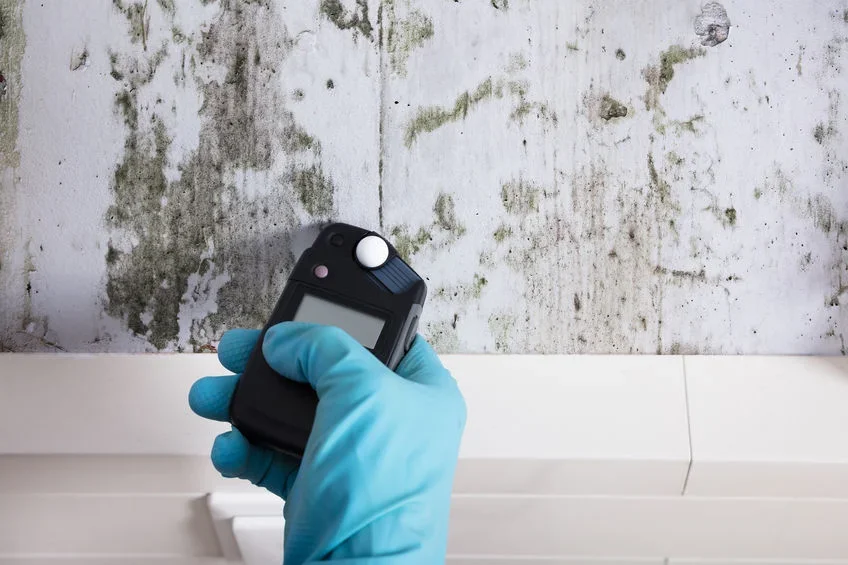
You notice a stain on the ceiling or you feel a musty smell settling in? These signals are often dismissed as minor inconveniences. However, in reality, they are not. Untreated humidity attacks structures, promotes mold growth, degrades air quality, and can make a home uninhabitable within a few months. Here’s how to recognize warning signs and know what to do before the situation worsens.
What are the Visible and Invisible Signs of a Humidity Problem?
The most obvious manifestations are moisture stains on walls and ceilings. These are yellowish or gray halos that gradually expand over the weeks. When humidity has already reached a problematic level, you will notice black or greenish mold appearing.
Additionally, peeling paint, swollen wallpaper, or flooring that detaches at the baseboards are indicators of water absorption by materials. If you are facing persistent humidity or the aftermath of a recent disaster, renting a dehumidifier is a quick intervention solution.
With devices whose extraction power is significantly higher than domestic models, this equipment allows you to act before the damage worsens. In fact, a professional dehumidifier can handle several hundred liters of water per day, whereas a consumer device is limited to a few liters.
Moreover, less visible signs deserve equal attention. These include a persistent musty smell that lingers even after ventilation, a feeling of cold settling in a room despite adequate heating, or worsening respiratory symptoms among occupants. Take these signs seriously and act as quickly as possible.
How to Identify the Source of Humidity Before Acting?
If you only treat the visible symptoms without identifying the source, the problem will persist.
Condensation Humidity
This is the most common form in modern homes that are well insulated but inadequately ventilated. The water vapor produced by daily activities condenses on cold surfaces as soon as it meets a wall with a temperature below the dew point.
Windows that drip in the morning, mold appearing in the lower corners of rooms, and black marks on bathroom joints are the most characteristic manifestations. The solution here primarily involves improving ventilation and regular, methodical airing.
Infiltrations and Capillary Rise
Infiltrations come from the outside:
- damaged roofing;
- cracks in the facade;
- lack of sealing around joinery or at terrace levels.
Rainwater penetrates through these weak points and gradually soaks the interior materials. Capillary rise, on the other hand, comes up from the ground through the foundations. Both problems require structural interventions on the building's envelope.
Water Damage
After a pipe leak or a joint break, water settles in porous materials and does not leave on its own. Concrete, brick, plaster, and wood absorb moisture deeply and release it very slowly. The longer the intervention is delayed after a disaster, the greater the mass of accumulated water and the longer and more difficult the drying process will be.
How to Treat Humidity in Walls When Conventional Drying is Insufficient?
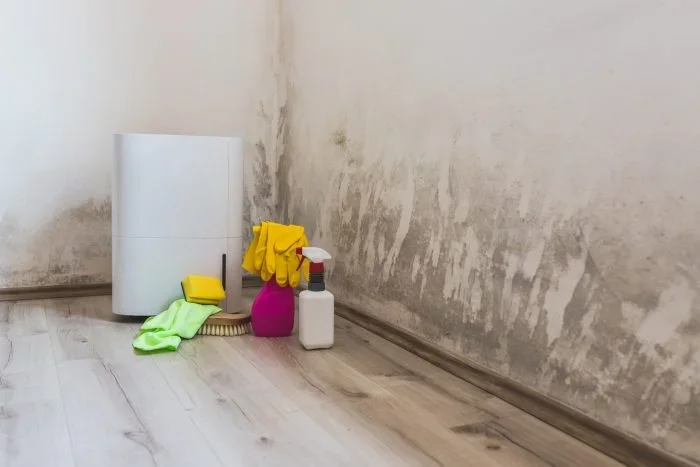
When humidity has penetrated deeply into the masonry, opening windows in the room is not enough to dry a wall thoroughly. Additionally, a wall that seems dry on the surface may remain saturated with water at its core for several more weeks. If you allow a wall to stay damp for too long after a disaster, it promotes the growth of fungi and mold even within the masonry.
As a result, this renders any surface repair ineffective and short-lived. In this case, using a professional wall dryer allows for the diffusion of warm, dry air directly into the pores of the material.
This technique is particularly suitable after water damage, treated capillary rise, or repaired infiltration where the wall still bears the scars. It allows for intervention without destruction, precisely controls the humidity of the substrate throughout the process, and provides a final technical report useful for insurance claims.
What are the Best Practices to Prevent the Return of Humidity?
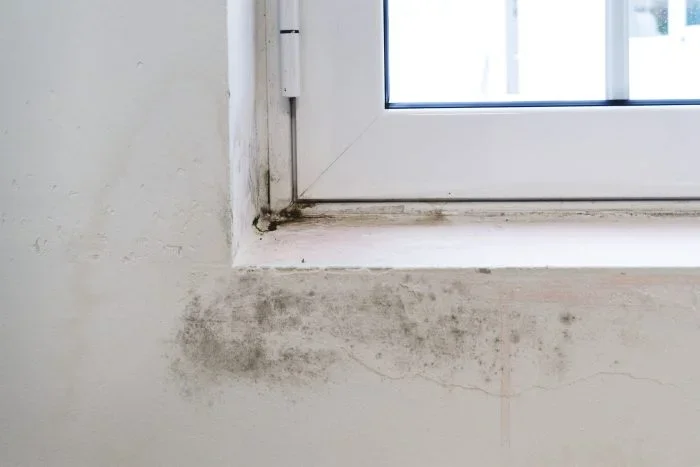
Once the problem is addressed, several simple habits can significantly reduce the risk of recurrence. Ventilate each room for at least ten minutes a day, even in winter. Opening two opposing windows in different rooms creates a natural draft that renews the air much more effectively than a single window slightly ajar for hours.
Regularly check the condition of your controlled mechanical ventilation system. Dirty or blocked VMC outlets significantly reduce extraction flow and promote condensation on cold walls, particularly in humid areas like the kitchen and bathroom. Clean them at least once a year.
Also, never dry laundry indoors without active ventilation and always cover pots while cooking to limit steam emissions in the room. In at-risk areas, install a fixed hygrometer to continuously monitor humidity levels. The ideal level is between 40 and 60% relative humidity. As soon as this level exceeds 70%, conditions favorable for mold growth are met, and action must be taken.
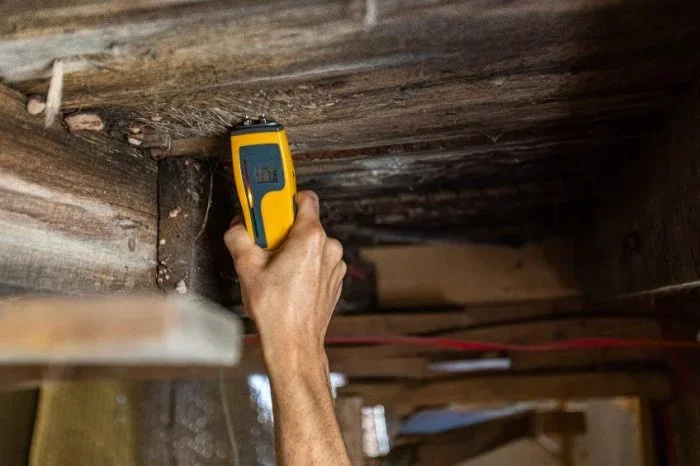
In case of a disaster or reappearance of humidity despite these preventive measures, have a precise hygrometric diagnosis performed by a professional before undertaking renovation work.